The intersection of architecture and construction is where design intent meets physical reality. In the Pacific Northwest, this intersection is complicated by a unique set of environmental and structural variables.
Architects and homeowners alike are drawn to the region for its dramatic topography and lush vegetation, yet these very features impose strict demands on the built environment. Successfully retrofitting a home in Seattle requires more than a keen eye for aesthetics. It demands a rigorous application of building science, structural engineering, and moisture management.
For design professionals and discerning property owners, the goal of a renovation is often to modernize the flow and feel of a home while preserving its architectural soul.
This process involves stripping a structure down to its bones and rebuilding it to meet contemporary standards of comfort and performance. It is a complex undertaking that requires a seamless collaboration between the design team and the build team. Here are five critical strategies for executing a high-performance retrofit that balances architectural vision with construction viability.
Table of Contents
1. Structural Liberation: Opening the Floor Plan
The most significant shift in residential architecture over the last century has been the dissolution of the partition wall. Historic homes in the region were compartmentalized to conserve heat. Today, the lifestyle demand is for connection and volume. Achieving this in an existing structure often requires aggressive structural intervention.
Removing load-bearing walls transforms the spatial experience of a home, but it changes the load path of gravity forces. The solution typically involves the integration of steel moment frames or flush-mounted engineered beams. By burying these structural elements within the ceiling cavity, architects can create vast, column-free spans that allow the kitchen, dining, and living areas to function as a single, cohesive volume. This “structural liberation” allows light to penetrate deeper into the floor plan, changing the atmospheric quality of the interior without altering the building’s footprint.
2. The Transparent Envelope: Glazing as Structure
In a climate defined by overcast skies, light is a primary architectural material. The trend in modern retrofits is to maximize the glazing ratio, replacing solid walls with floor-to-ceiling glass. This blurs the line between the interior conditioned space and the exterior landscape.
However, increasing the glass area presents thermal challenges. To maintain energy performance, it is essential to specify high-performance fenestration. Triple-pane units with thermally broken aluminum or wood-clad frames reduce heat loss and prevent condensation. The placement of these openings is equally critical. Clerestory windows and skylights can introduce balanced daylight into the core of the home, reducing the reliance on artificial lighting. When properly executed, the window package acts not just as a view portal but as a passive solar instrument that contributes to the home’s thermal comfort.
3. Moisture Management: The Rainscreen Principle
Water is the formidable adversary of any building in the Pacific Northwest. The traditional method of applying siding directly to the weather-resistive barrier is no longer considered best practice. Modern building science advocates for the rainscreen principle. This system introduces a ventilated air gap between the exterior cladding and the waterproofing layer.
This gap serves two vital functions. First, it creates a capillary break that allows bulk water to drain away from the structure. Second, it facilitates convective drying, ensuring that any moisture that penetrates the cladding can evaporate. Whether the exterior finish is cedar, fiber cement, or metal, installing it over a rainscreen assembly extends the lifespan of the envelope and protects the structural framing from rot and decay. It is a non-negotiable detail for any durable renovation in this climate.
4. The Integration of Systems and Aesthetics
A high-performance home relies on sophisticated mechanical systems to maintain indoor air quality and thermal comfort. Heat recovery ventilators (HRVs), heat pumps, and radiant floor systems are standard in modern retrofits. The architectural challenge lies in integrating these systems without compromising the visual purity of the design.
This requires early coordination during the planning phase. Ductwork runs must be planned to avoid unsightly bulkheads. Manifolds for radiant heating need to be accessible yet hidden. When architects and builders collaborate from the outset, these utility requirements can be designed into the architecture. For homeowners considering a complex scope like home remodeling seattle wa, engaging a team that understands this integration is essential. It ensures that the mechanical performance of the home supports the aesthetic vision rather than fighting against it.
5. Seamless Transitions: The Indoor-Outdoor Connection
The topography of the region often means that homes are sited on slopes. Connecting the main living level to the outdoors requires thoughtful landscape architecture and hardscaping. Large multi-slide door systems are frequently used to erase the threshold between the living room and the deck or patio.
To achieve a truly seamless transition, the details matter. Flush thresholds, where the interior floor finish meets the exterior decking at the same level, require precise waterproofing and drainage detailing to prevent water intrusion. Utilizing linear drains and distinct slope gradients allows for this continuity while keeping the weather out. This architectural move effectively doubles the entertaining space during the warmer months and visually extends the living area year-round.
Building on a Foundation of Trust
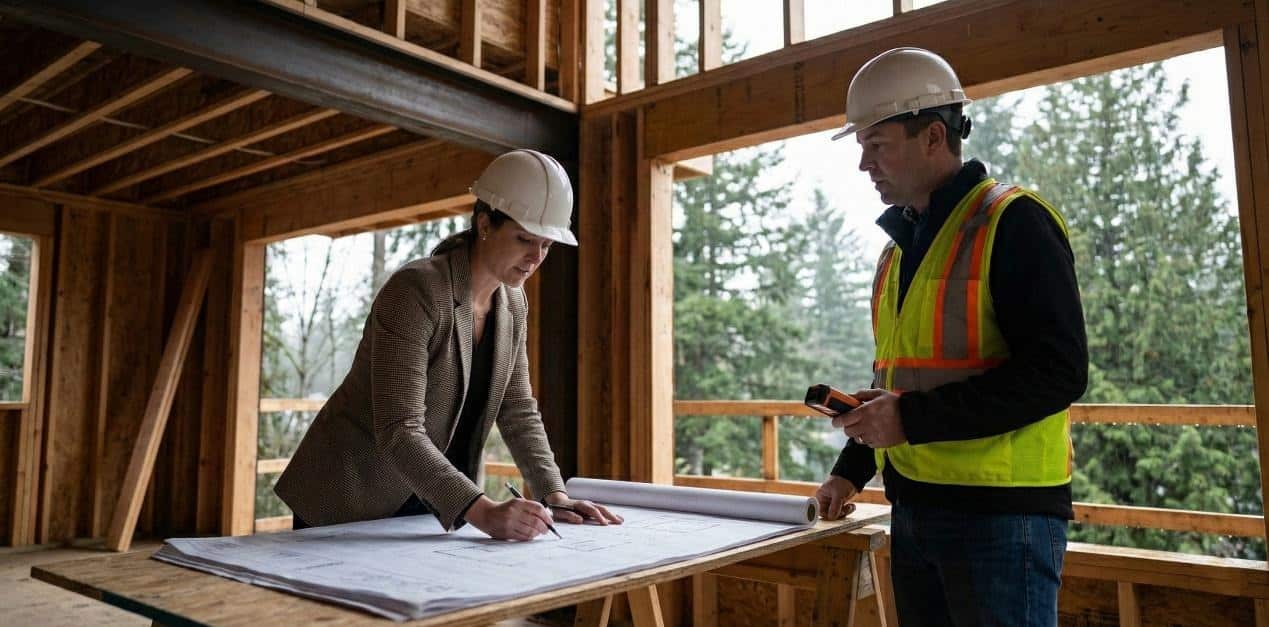
The success of any complex renovation project hinges on the relationship between the client, the architect, and the contractor. Transparency in communication and pricing is the bedrock of this relationship. Advanced project management tools allow all stakeholders to visualize the schedule, track the budget, and monitor progress in real-time.
Verifying the track record of your build partner is a critical step in the due diligence process. Reviewing the history and accreditation of Sapir Construction provides insight into the level of professionalism and accountability brought to every project. A reputable builder does not just execute drawings. They act as a steward of the design, ensuring that the architectural intent is realized with craftsmanship and technical rigor.
Conclusion
Retrofitting a home in the Pacific Northwest is an opportunity to engage in a dialogue between the past and the future. It is about respecting the existing structure while infusing it with modern technology and design sensibility. By focusing on structural integrity, moisture management, and the poetic use of light, architects and builders can create homes that are resilient, sustainable, and deeply connected to their environment. It is a process that transforms a simple shelter into a work of architecture.