Sustainable damp-proofing is transforming moisture protection in UK construction by integrating modern materials that offer effective, long-lasting barriers while minimising environmental impact. These innovations combine advanced chemical treatments, eco-friendly membranes, and breathable finishes to address rising damp, penetrating damp, and condensation without compromising building integrity.
Modern materials and techniques enable builders to protect structures more efficiently and sustainably, reducing the reliance on disruptive chemical treatments and promoting energy efficiency. This shift reflects the growing demand for construction practices that not only safeguard buildings but also align with climate-conscious goals and regulatory standards
The adoption of cutting-edge technologies such as nano-sealants, thermal mapping, and smart ventilation systems ensures damp-proofing solutions are accurate, non-invasive, and tailored to specific building needs. Together, these developments are setting new benchmarks in both new builds and renovation projects across the UK.
Table of Contents
Understanding Damp-Proofing in UK Construction
Damp-proofing in UK construction addresses both the prevention and management of moisture within building structures. It involves specialised techniques and materials tailored to the types of damp encountered, and it is governed by precise regulatory standards to ensure safety and durability.
Historical Approaches to Damp-Proofing
Historically, damp-proofing in the UK depended largely on rudimentary methods, such as using lime mortar and basic physical barriers like tar or bitumen paint. These early measures offered limited protection, as materials often lacked the ability to resist rising moisture over long periods.
The introduction of Damp Proof Courses (DPCs) in the 19th century marked a significant advance. These were typically layers of slate, bitumen, or felt inserted into walls to block moisture rising from the ground. However, early DPCs were sometimes inconsistent in placement and prone to damage.
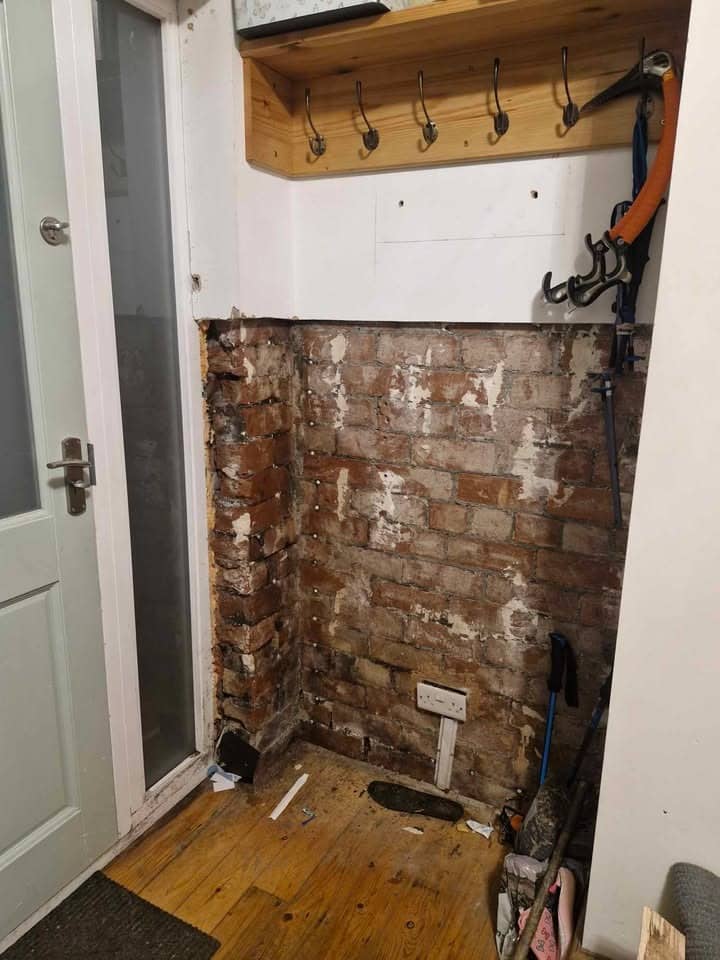
Older buildings often did not incorporate comprehensive damp-proofing, making them vulnerable to persistent damp problems. Retrofitting modern solutions into these structures can be challenging but is essential for preserving building integrity.
Types of Damp and Their Impacts
Rising damp occurs when ground moisture travels upward through porous walls, damaging plaster, paint, and structural elements. Penetrating damp results from water entering through defects in roofs, walls, or windows, often after heavy rain. Condensation damp arises due to excess indoor moisture and poor ventilation, leading to mould growth and health risks.
Each type demands specific treatment approaches. Rising damp requires effective damp-proof courses or chemical barriers. Penetrating damp calls for repairs to external surfaces and improved drainage. Condensation control centres on ventilation and humidity regulation.
The impact of untreated damp includes structural weakening, decay of wooden components, corrosion of metal fixtures, and potential health issues from mould spores. These factors underline the importance of accurate diagnosis and targeted damp-proofing solutions.
Current Regulatory Standards
UK building regulations mandate the installation of damp-proof courses in new construction to prevent moisture ingress. These DPCs must meet standards for durability, compatibility, and placement height above ground level.
The British Standard BS 6576 provides guidance on assessing and treating rising damp, while BS 8102 covers waterproofing below-ground structures. These regulations evolve to incorporate advances in materials and eco-friendly technologies.
Compliance also involves regular inspection and maintenance to ensure continued effectiveness. Builders and surveyors must document damp-proofing measures to demonstrate adherence to legal requirements and protect building occupants.
The Shift to Sustainable Damp-Proofing
The construction industry is increasingly prioritising materials and methods that balance performance with environmental impact. This change is driven by regulatory pressures, technological advances, and a growing emphasis on long-term building resilience. Sustainable damp-proofing approaches focus on reducing harmful chemicals and enhancing energy efficiency, while facing practical challenges in wider adoption.
Drivers of Sustainability in Moisture Protection
Environmental regulations and stricter building standards play a significant role in the shift towards sustainable damp-proofing. The UK’s commitment to lowering carbon emissions encourages the use of eco-friendly materials that minimise environmental harm. Additionally, rising awareness about indoor air quality and health concerns pushes demand for non-toxic, breathable damp proof membranes and treatments.
Technological innovation has introduced advanced materials such as bio-based membranes and chemical treatments with lower volatile organic compounds (VOCs). These combine effectiveness with reduced ecological footprint. Industry training and certification schemes also support professionals in applying modern, green damp-proofing methods correctly, ensuring compliance with both sustainability goals and quality standards.
Benefits of Eco-Friendly Solutions
Eco-friendly damp-proofing materials offer multiple advantages beyond environmental impact. They improve building longevity by providing more durable moisture barriers that resist degradation better than traditional treatments. This reduces maintenance cycles and repair costs over time.
Another benefit is enhanced energy efficiency. Sustainable damp-proofing helps maintain indoor humidity at optimal levels, decreasing the need for excessive heating or cooling. Materials with better insulation properties contribute to these energy savings. Furthermore, many modern treatments are safer for occupants and installers due to their reduced chemical toxicity, leading to healthier indoor environments and safer workplaces.
Challenges in Adoption
Despite clear benefits, the uptake of sustainable damp-proofing faces obstacles. Cost remains a key barrier as eco-friendly materials and specialised installation techniques often involve higher upfront investment compared to conventional methods. This can deter smaller contractors or projects with limited budgets.
There is also a knowledge gap within the industry. Some professionals are hesitant to adopt new technologies without extensive trial data or long-term performance records. This hesitancy slows innovation diffusion and limits availability. Finally, compatibility with existing building materials and site conditions can complicate selecting the right sustainable solution, requiring expert assessment and customisation on a case-by-case basis.
Innovative Materials Transforming Damp-Proofing
Advancements in modern materials have significantly improved the effectiveness of moisture protection in UK construction. These innovations focus on sustainability, durability, and compatibility with traditional structures.
Breathable Membranes and Vapour Barriers
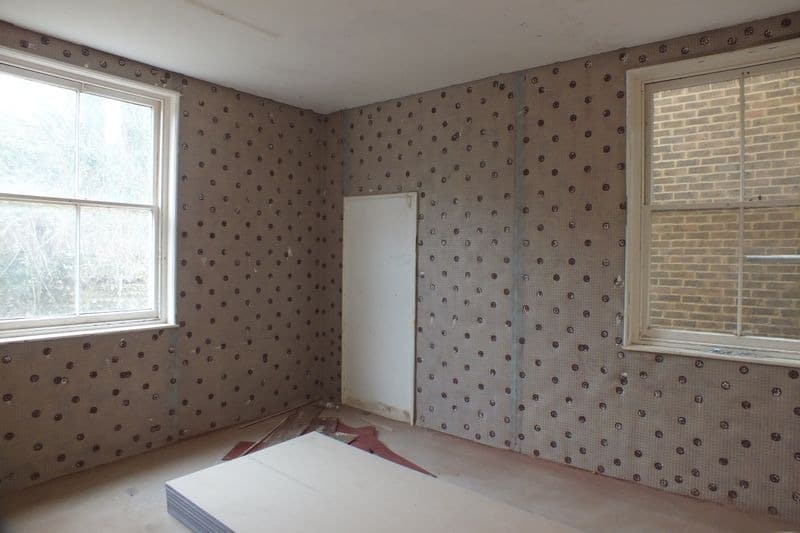
Breathable membranes allow water vapour to escape while preventing liquid water ingress, reducing the risk of condensation build-up within walls. They are commonly used in roofing and external walls to maintain structural integrity without trapping moisture.
Vapour barriers differ by restricting moisture movement entirely, ideal for internal applications where moisture control is critical. Modern options combine breathability with high resistance to water and chemical degradation.
These materials are often made from advanced polymers and can be integrated with insulation systems, ensuring energy efficiency while managing dampness effectively. Their installation must be precise to avoid gaps that could compromise performance.
Natural Fibre Insulation and Capillary Breaks
Natural fibre insulation, such as hemp, sheep’s wool, and cellulose, offers moisture-regulating properties by absorbing and releasing water vapour. This characteristic reduces the chances of damp accumulation and supports indoor air quality.
These fibres are renewable, biodegradable, and often treated with natural preservatives to resist mould and pests. When used alongside capillary breaks—layers that interrupt moisture movement through porous materials—they form a reliable barrier against rising and penetrating damp.
Capillary breaks can be composed of plastic sheets, bituminous layers, or lime-based mortars. Their integration with natural fibres enhances both thermal performance and moisture control without harming the building’s breathability.
Recycled and Bio-Based Damp-Proof Courses
Recycled materials, including reclaimed plastics and composites, are increasingly used to create damp-proof courses (DPCs). These provide an environmentally friendlier alternative to traditional bitumen or polyethylene products.
Bio-based DPCs made from materials like flax, jute, or cork extract offer effective moisture resistance with low environmental impact. They can be combined with chemical treatments to enhance longevity, meeting both sustainability and durability demands.
These modern DPCs are designed for ease of installation and compatibility with heritage buildings, where traditional materials require sensitive handling. Their use supports circular economy principles while maintaining essential damp-proofing performance.
Case Studies: Sustainable Damp-Proofing in Practice
Sustainable damp-proofing techniques are being successfully applied across diverse building types in the UK. Each application addresses specific moisture challenges with modern, eco-friendly materials tailored to the structure’s usage and condition.
Residential Project Examples
In residential conversions, sustainable damp-proofing often involves combining damp-proof membranes with natural insulation materials. For example, projects converting older farmhouses into multiple dwellings have incorporated damp-proof barriers alongside thermal insulation to protect against penetrating damp.
Such methods reduce chemical use and limit disruption to residents, while maintaining building breathability. Timber treatments utilising non-toxic, bio-based solutions help protect wooden structures without harming indoor air quality. These approaches allow homes to remain dry, insulated, and environmentally considerate.
Commercial and Public Buildings
Commercial and public buildings face unique moisture challenges due to their larger scale and heavier foot traffic. Modern damp-proofing here leverages integral waterproof membranes within ground-bearing floors to prevent moisture ingress.
These buildings often benefit from mechanical ventilation systems paired with sustainable materials, managing condensation without relying on chemical treatments. Key strategies include rot prevention and damp barrier installation to prolong structural integrity and reduce maintenance costs over time.
Retrofitting Historic Structures
Retrofitting historic buildings requires sensitivity to original materials and architectural fabric. Sustainable damp-proofing in these cases favours breathable, natural materials such as lime-based renders combined with damp-proof membranes tailored to low-impact installation.
Specialist treatments targeting timber decay avoid aggressive chemicals, instead using eco-friendly preservatives that respect heritage values. Drainage improvements and careful moisture control prevent structural damage while maintaining the building’s historic character, ensuring long-term preservation without compromising environmental standards.
Installation and Maintenance Best Practices
Effective moisture protection depends on correct installation techniques, regular inspection, and skilled application. Each stage ensures the longevity and performance of sustainable damp-proofing materials.
Proper Application of Modern Materials
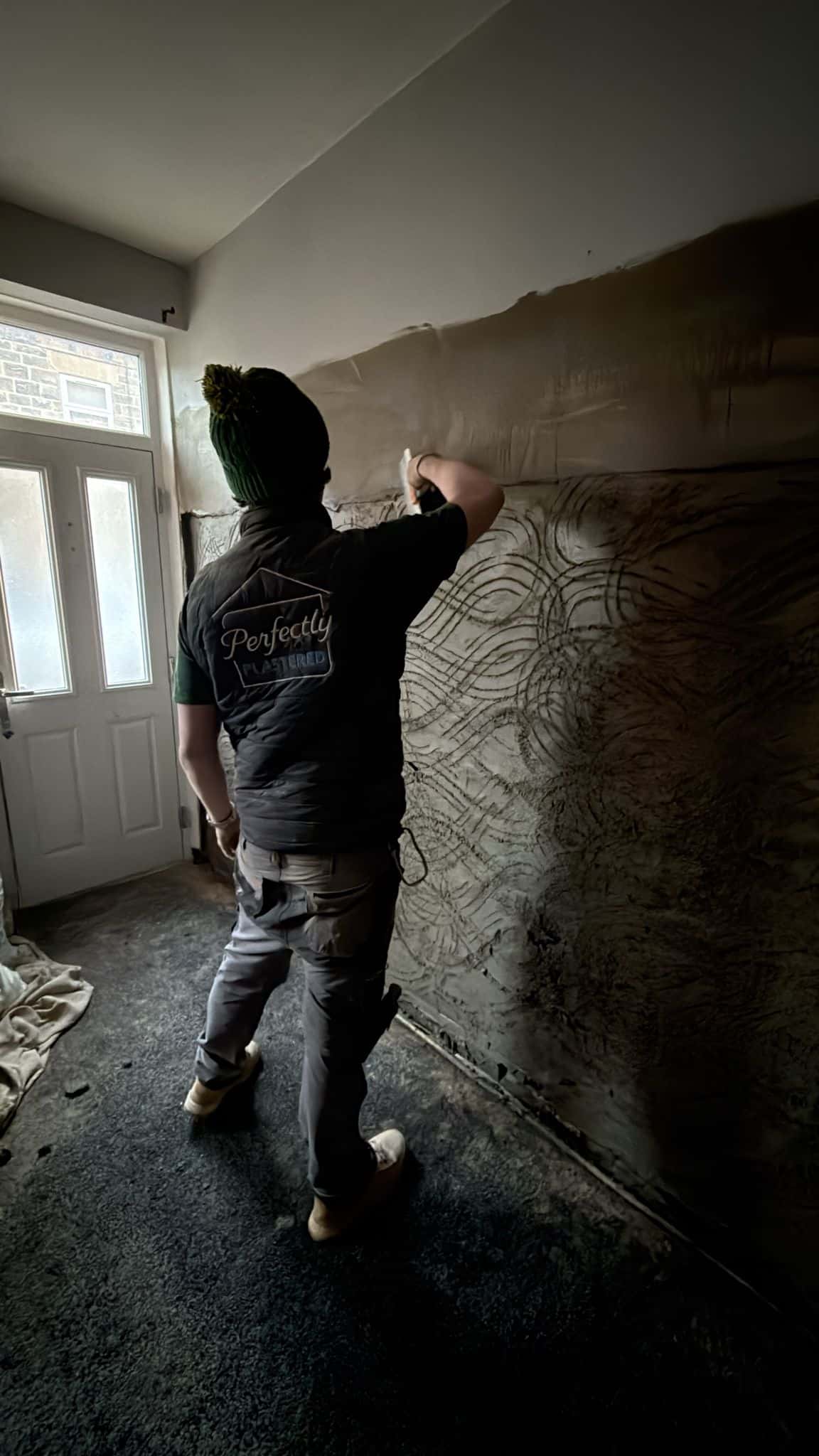
Modern damp-proofing materials require precise application to function effectively. Surfaces must be thoroughly cleaned and prepared, removing dirt, salts, or loose paint that could reduce adhesion. Moisture content in the substrate should be measured to confirm suitability before treatment.
Techniques such as injecting high-performance chemical DPCs or applying nano-sealants demand strict adherence to manufacturer guidelines. The effectiveness of breathable finishes relies on correctly layering materials to allow moisture vapour movement while blocking water ingress.
Timing is crucial; some materials must be applied within specific temperature and humidity ranges to cure correctly. Failure to follow these parameters can compromise their protective qualities and reduce lifespan.
Inspection and Ongoing Care
Regular inspections are vital to detect early signs of damp or material degradation. This includes visual checks for salt efflorescence, mould growth, and moisture stains inside and outside the building.
Thermal imaging and moisture mapping technology offer non-invasive monitoring tools, highlighting damp hotspots behind walls or under floors. Scheduling inspections biannually or after severe weather events helps maintain the system’s integrity.
Maintenance involves clearing drainage systems and ensuring ventilation paths remain unobstructed to control indoor humidity. Prompt repair of cracks or damaged membranes prevents moisture from compromising treated areas.
Training and Skill Requirements
Successful application and upkeep of sustainable damp-proofing systems depend heavily on the expertise of the workforce. Installers should have certified training in the use of eco-friendly materials and modern techniques.
Understanding the specific properties of new products, such as nano-sealants or injectable barriers, requires both theoretical knowledge and practical experience. Specialists must also be familiar with building types, especially period or listed structures, to tailor methods accordingly.
Ongoing professional development keeps skills current with evolving technologies and regulatory standards. Employing qualified damp-proofing specialists reduces the risk of installation errors and ensures compliance with the latest best practices.
Long-Term Performance and Environmental Impact
Sustainable damp-proofing materials must provide reliable moisture protection over many years while minimising harm to the environment. Their long-term success depends on factors such as resistance to degradation, environmental lifecycle costs, and production emissions. These aspects are critical for evaluating the true value of modern damp-proofing solutions.
Durability Assessments
Durability drives the effectiveness of damp-proofing in UK construction. Materials must withstand humidity, soil chemicals, and temperature fluctuations without losing their protective qualities. For instance, polymer-based damp-proof membranes offer extended resistance to physical and chemical wear compared to traditional bitumen coatings.
Regular testing under simulated environmental conditions reveals performance over decades. Materials with slow deterioration rates reduce maintenance needs and repair frequency. This longevity limits resource use and disruption to buildings, especially in heritage properties where intervention is sensitive.
Manufacturers now include detailed durability data to help specifiers choose the most resilient options. These datasets often include tensile strength retention, water vapour permeability, and resistance to microbial growth — all essential for long-term moisture control.
Lifecycle Analysis
Lifecycle analysis (LCA) assesses environmental impacts from material extraction through installation and disposal. It quantifies energy use, greenhouse gas emissions, and waste generation associated with damp-proofing products.
Eco-friendly damp-proofing materials tend to have lower embodied carbon due to renewable inputs or recycled content. For example, lime-based additives or natural fibre reinforcements lower reliance on petrochemicals. LCAs also factor in the durability of materials; longer-lasting products offset initial environmental costs by reducing replacements.
LCA results guide builders in selecting options that balance performance with environmental responsibility. Integration of local sourcing is another consideration, as transporting materials over long distances increases fossil fuel consumption.
| Lifecycle Stage | Environmental Impact Factors |
| Raw Material | Energy use, extraction damage |
| Manufacturing | Emissions, waste, chemical use |
| Transport | Fuel consumption, emissions |
| Installation | Energy for application, on-site waste |
| Use & Maintenance | Longevity reduces resource demand |
| End of Life | Recyclability, biodegradability, disposal impacts |
Reducing Carbon Footprint
Modern damp-proofing methods contribute to carbon footprint reduction by emphasising material innovation and energy efficiency. Using low-VOC (volatile organic compound) materials reduces harmful emissions during application and curing.
Incorporating advanced polymers and eco-resins decreases reliance on fossil fuel-based bituminous products. Moreover, sustainable damp-proofing often includes vapour-permeable membranes that improve building energy efficiency. They regulate moisture without impairing insulation, lowering heating and cooling demands.
Best practices include selecting products manufactured nearby to minimise transport emissions. Additionally, longer-lasting, effective materials reduce carbon output over a building’s full lifespan by decreasing the frequency of repairs and replacements.
Combined, these measures support the UK’s climate goals while safeguarding structural integrity in new and refurbished buildings.
Future Trends in Sustainable Moisture Protection
Advancements in damp-proofing are increasingly driven by technology, regulatory changes, and the need for continued innovation. These developments aim to improve building resilience, reduce environmental impact, and integrate smarter systems for moisture management.
Emerging Technologies
Recent innovations focus on non-invasive methods and materials that enhance durability and sustainability. Nano-sealants, for example, create invisible barriers that protect external brickwork while allowing moisture vapour to escape. Smart dehumidification systems coupled with passive ventilation reduce indoor humidity without excessive energy use.
Electro-osmotic damp proofing uses low electrical currents to halt rising damp, offering an alternative to traditional chemical treatments. Thermal and moisture mapping now enable highly accurate diagnostics before intervention. Such technologies prioritise both effectiveness and minimal disruption to the building fabric.
Changing Building Codes
Building regulations in the UK are tightening requirements for moisture control to ensure healthier, more sustainable structures. New codes increasingly mandate the use of eco-friendly damp-proof membranes and breathable finishes in both new builds and renovations.
Compliance with these codes often requires integration of advanced damp-proofing technologies that balance moisture resistance with breathability. This shift supports better indoor air quality and prevents long-term damage to historic or listed properties. Professionals must stay updated as standards evolve to maintain legal compliance and optimise building performance.
Opportunities for Further Innovation
There is scope for combining materials science with digital monitoring to advance moisture protection. Future damp-proofing may integrate sensors that provide real-time data on moisture levels, alerting occupants and professionals to early signs of damp.
Research continues into sustainable, bio-based damp-proofing compounds that reduce reliance on synthetic chemicals. Additionally, enhancing energy efficiency alongside moisture control remains a priority, especially in retrofitting older buildings. Cross-disciplinary collaboration will likely drive the next wave of practical, eco-conscious damp-proofing solutions.
Frequently Asked Questions
Sustainable damp-proofing in UK construction involves innovation in materials, regulatory updates, and practical considerations for long-lasting moisture protection. The answers focus on technical progress, environmental impact, and best practices for industry professionals.
What are the latest advancements in damp-proofing materials for UK homes?
New materials include advanced chemical treatments and durable membranes that penetrate deeply into building fabric to prevent moisture ingress. These solutions offer improved resistance to rising damp and condensation compared to earlier products.
Nanotechnology and eco-friendly formulations are gaining traction, providing effective barriers while reducing environmental harm. These innovations address specific challenges in traditional and period properties common in the UK.
How do modern sustainable materials compare to traditional damp-proofing solutions?
Modern sustainable materials typically have lower environmental footprints and longer service lives. Traditional methods such as bituminous coatings or cement slurries often degrade faster and involve more toxic substances.
Sustainable products, including breathable membranes and non-toxic chemical barriers, maintain structural integrity without trapping moisture inside walls. This reduces the risk of rot and mould associated with older techniques.
Can eco-friendly damp-proofing materials enhance energy efficiency in buildings?
Yes. By effectively controlling moisture, sustainable damp-proofing prevents heat loss caused by damp and mouldy insulation. Healthy, dry walls improve thermal performance and reduce the demand for heating.
Certain eco-products also have insulating properties themselves or integrate with other energy-efficient building systems. This complements the broader sustainability goals for modern UK construction.
What are the long-term benefits of using sustainable damp-proofing methods?
Sustainable methods reduce maintenance costs by providing reliable, durable protection against moisture damage. They also support healthier indoor environments by minimising mould growth and damp-related allergens.
Additionally, these approaches contribute to environmental goals by decreasing reliance on harmful chemicals and reducing material waste during installation and repairs.
How are building regulations evolving to accommodate new moisture protection technologies?
UK building regulations are increasingly recognising the role of innovative damp-proofing materials in energy efficiency and sustainability targets. Updated guidance incorporates performance-based standards rather than prescribing specific products.
There is growing emphasis on whole-building moisture management strategies, encouraging the use of advanced diagnostic tools and materials tailored to individual building needs.
What considerations should contractors make when choosing sustainable damp-proofing products?
Contractors need to evaluate the compatibility of materials with existing structures, especially in older or listed buildings. They should prioritise products with proven performance, environmental certifications, and guarantees.
Training and expertise in applying new technologies are essential to avoid installation errors that could compromise moisture protection. Collaboration with manufacturers and specialists can help ensure effective use of sustainable solutions.