Building a patio is a challenging project, and if you decide to do it on your own, it’s a big move. It’s highly optimistic, and we can even say slightly unhinged. But it will also be deeply satisfying. You might have woke up one morning, and while sipping your coffee outside the house, you stared at an empty patch of ground, and the next moment, an idea crossed your mind. I could build something amazing here. And honestly? We believe you can.
DIY projects don’t fail because of a lack of vision, but because someone underestimated the screws, forgot the gravel, or thought eyeballing is a proper measurement system. So, before you grab the hammer and play a playlist that makes you feel invincible in your headphones, take some time to research the list of supplies a project like building a patio from scratch requires.
This article could help. No fluff. No fantasy. Just the real stuff that allows you to turn dirt into a place where you’ll love to drink your coffee every morning, for years.
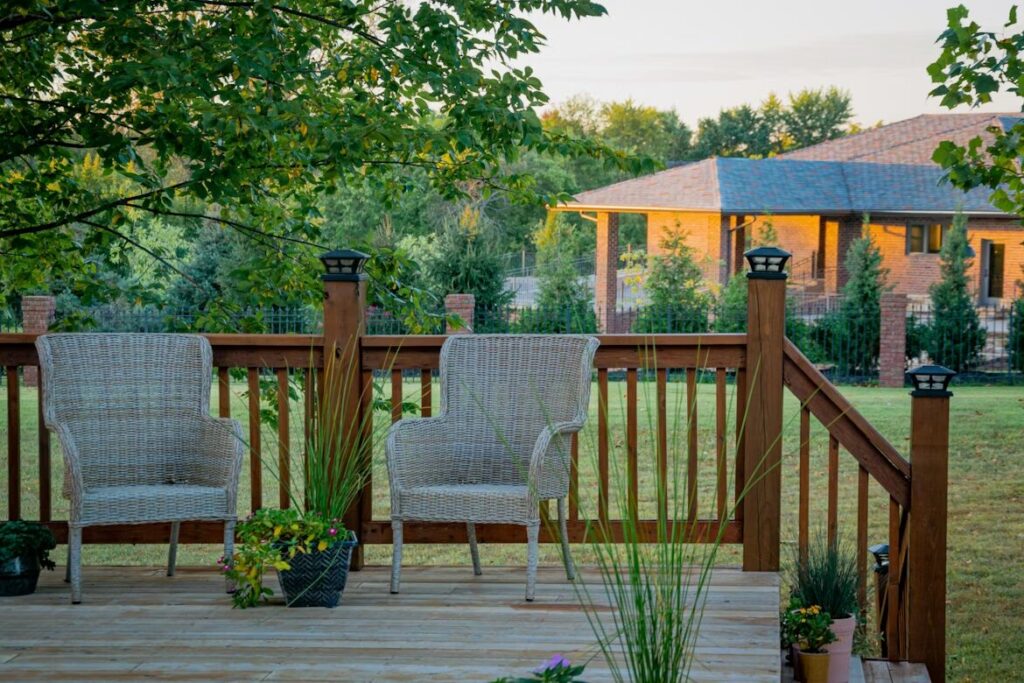
Image source https://unsplash.com/photos/brown-wooden-fence-near-green-trees-during-daytime-Rdh-OCcBqC0
Table of Contents
A Solid Base: Because Patios Don’t Float (No Matter How Confident You Are)
It might not sound too glamorous, but building a patio from scratch isn’t exactly the kind of activity you expect to be glam. Purchasing materials for building the base is the part nobody posts on social media, but it’s vital because it determines whether the patio lasts one summer or survives a decade of weather tantrums. You probably prefer the last. For this, you need crushed stone or gravel, depending on the design. This layer helps with drainage, prevents shifting, and keeps the patio from slowly sinking. Besides this, you should also check for landscape fabric, which acts like a silent hero, stopping weeds from staging a hostile takeover under your feet while you sip your coffee. You might be tempted to skip this step, but resist: patios require structure, even when you prefer the casual backyard-chaos aesthetic.
Measuring Tools: Trust Numbers, Not Vibes
It’s great that you are confident in your skills, but DIY confidence has its limits, and geometry is one of them. A level, a measuring tape, and several levers are non-negotiable. You might think the land near your house looks flat, but slopes are sneaky, and patios have zero tolerance for close enough. You should map out the area and add some stakes to ensure you don’t realize halfway through that your patio is shaped like a trapezoid (unless you prefer that shape). Measure twice. Adjust three times. Build once. That’s the rhythm.
Wood, Concrete, or Pavers: Choosing Your Main Character
The materials you pick define everything else. Wood is usually the best option because it gives you flexibility and warmth. It’s customizable, forgiving, and perfect for a deck or raised patio. Concrete, on the other hand, is modern and sturdy but requires timing and commitment. Pavers are an alternative that offers modular control and helps you achieve a clean look, but they demand precision and patience. For each option, you need a different list of supplies. And consistency is essential, regardless of the option. Mixing materials based on a feel and lacking a plan is how you end up with a patio that looks like a patchwork experiment. Choose one direction and commit to it.
Woodworking Screws: The Unsung Heroes Holding Your Patio Together
Let’s talk about woodworking screws, the small, metallic items that quietly prevent your patio from collapsing during a party. If you work with wood, these special screws are absolutely essential because they are outdoor-rated, corrosion-resistant, and can handle temperature changes, moisture, and the general chaos of life outside. Regular indoor screws will rust. Nails will loosen over time. Cheap fasteners will betray you. But woodworking screws create strong, lasting joints that won’t shift every time your guests drag their chairs. You can find them in different lengths for different jobs. And make sure to get more than you think because there is no such thing as extra screws when handling a DIY project. There is only you preventing the problems, future you might experience otherwise.
Power Tools: Where Effort Meets Efficiency
Technically, you can build the patio using only hand tools. You can also technically row across oceans. Both are impressive, but neither is necessary. The best friend you can have during this project is a power drill. A miter or circular saw makes clean cuts and saves your sanity. In case you need to cut pavers or stone, you will also need an angle grinder or masonry saw. Only because you use power tools doesn’t mean you won’t enjoy the beauty of crafting the patio by hand. It means you are less exhausted at the end of the day and still have some energy to drink a glass of wine, admiring the work you finished today.
Fasteners, Anchors, and Brackets: The Invisible Structure
Beyond screws, you also need anchors, brackets, and connectors to properly secure everything. They are essential for raised patios, stairs, and any construction you want to attach to your house. The metal brackets will provide stability where wood meets wood or where wood meets concrete. The anchors will keep the posts upright and grounded. These elements don’t serve a decorative purpose, but do the heavy lifting in the project. Don’t ignore them, and your patio won’t wobble during a light breeze. Wobbly patio causes stress. And stress leads to rebuilding.
Surface Finishes: Protection Is Not Optional
After you build your patio, you need to provide it with armor. Wood requires stain or sealant to protect against moisture, UV damage, and general wear. Concrete benefits from sealing to prevent staining and cracking. Pavers need sand and, often, sealant to keep everything in place. These products allow you to finish the project successfully and extend the life of your patio.
Build It Like You Plan to Use It
Building the patio from scratch is an equal part of planning, problem-solving, and stubborn optimism. With the right supplies at hand, you’ll feel the job is easier. Take your time, search for high-quality products, and enjoy the satisfaction only a successful DIY project can bring.