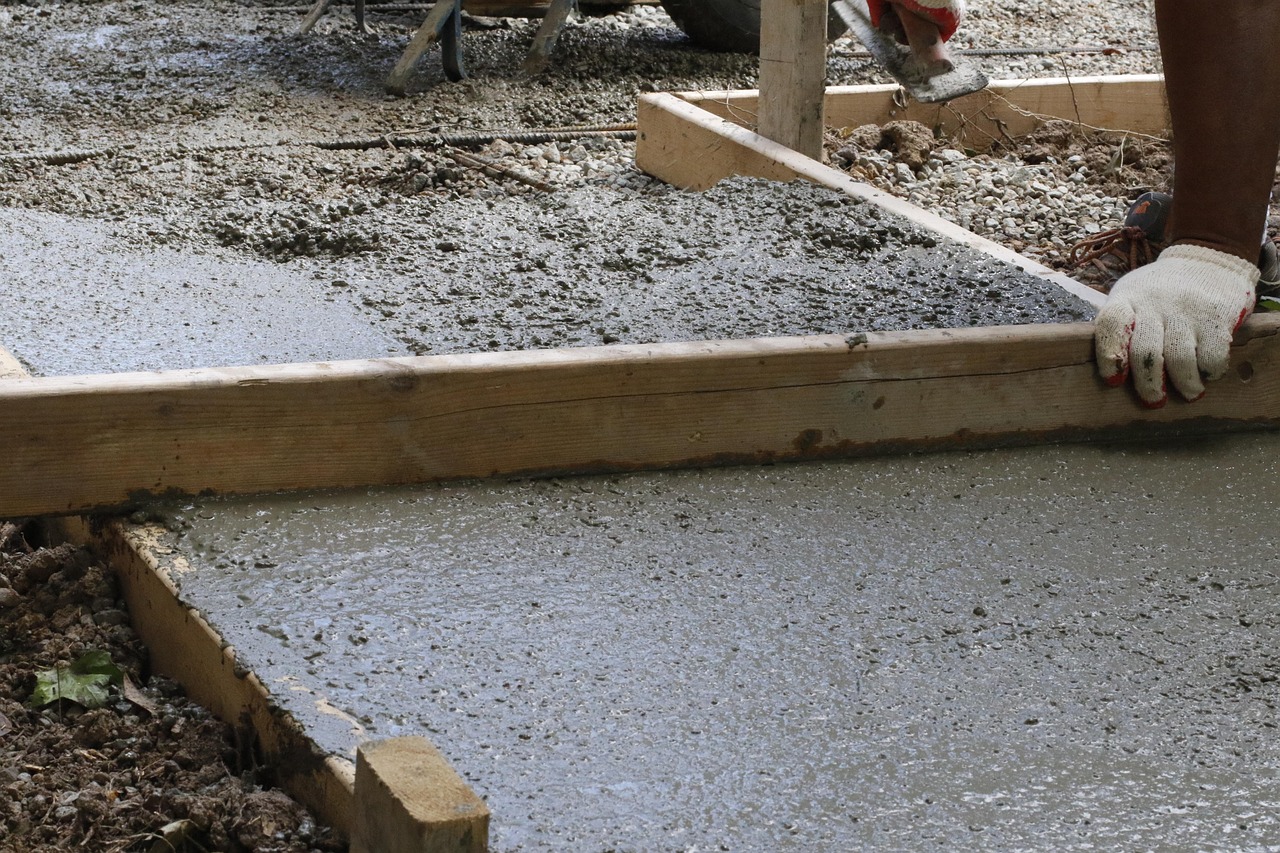
Concrete Paving is a very popular method for creating durable outdoor surfaces for residential and commercial use. Due to its ability to withstand hefty vehicles and frequent usage for several years, it is commonly used in constructing parking lots and driveways. It’s also widely used for industrial hardstanding areas. This guide will discuss how it works, places it’s popularly used, the installation procedure, and tips for easy maintenance to sustain the durability of paved surfaces.
Table of Contents
Definition of Concrete Paving
Concrete paving is the method of mixing cement, aggregates, water, and a few chemical additives to create a strong, solid surface. The aggregates normally consist of sand, gravel, or shattered stone, which forms the majority of the mixture and makes the pavement strong. Adding water to cement triggers a chemical reaction that binds the aggregates together and slowly solidifies the mixture into a bouldered material.
As soon as the surface is in shape, it becomes firm enough to withstand frequent pressure, hefty vehicles, and turbulent climatic conditions. Concrete paving, due to its durability, is commonly used on surfaces where durable pavement is mandatory. Such surfaces include parking lots, driveways, sidewalks, and commercial hard surfaces.
Where is Concrete Paving Majorly Used?
Concrete paving creates durable surfaces that withstand constant traffic, which is why it’s used in many places. These places are as follows:
Residential Driveways
Residential driveways are commonly constructed with concrete due to its durability over the long term and its ability to maintain a clean look over time. A well-built driveway can enhance your curb appeal and boost your property’s value. That aside, your everyday vehicles will have a smooth surface to run on.
Parking Areas
Concrete works particularly well in car parks where vehicles drive in and out daily. Its high-level durability enables it to withstand heavy loads and constant traffic while requiring very little maintenance compared to other paving materials.
Commercial Spaces
Concrete paving is also commonly used in heavy-duty areas like retail plazas, warehouses, airports, and loading docks. Such spaces long for sturdy pavement capable of supporting forklifts, delivery trucks, and other heavy equipment. Industrial projects typically use sturdier concrete slabs to provide additional strength and durability to withstand these loads.
What Are the Advantages of Concrete Paving
There are several practical benefits to using concrete paving for homes and industrial properties, which is why it’s so popular. Let’s look into its advantages below:
Durability
Concrete is very strong and can withstand frequent traffic, heavy vehicles, and turbulent weather without tearing apart. That’s why it’s best for parking lots, industrial spaces, and driveways.
Low Maintenance
Concrete surfaces typically require fewer repairs and sealing than other paving materials. This benefit minimizes maintenance costs over time.
Long Lifespan
If installed properly, concrete paving can last 30 to 40 years or more. That’s why it’s a reliable long-term investment.
Design Flexibility
You can shape, stamp, texture, or color concrete to match your preferred architectural styles.
Sustainability
New age solutions, such as permeable concrete, enable the passage of water through the surface. This improves drainage and reduces stormwater runoff.
How to Pave Concrete (Step-by-Step)
Paving concrete follows a simple procedure to ensure the final surface is sturdy and durable.
Step 1: Site Preparation
Clear the debris, level the ground surface, and grade the area for adequate drainage.
Step 2: Installation of Sub-Base
Add compacted gravel or crushed stone to create a stable base that supports the slab.
Step 3: Setup Formwork
Set up metal or wooden forms to determine the pavement’s shape and thickness.
Step 4: Pour and Level the Concrete
Add freshly mixed concrete into the forms and ensure that you evenly level the surface.
Step 5: Finishing
Use a broom finish or use stamping to achieve traction and make it look good.
Step 6: Curing
While it cures, keep the concrete moist so it will be fully strong and durable.
Maintenance Tips for Concrete Paving
Adequate maintenance enables concrete pavement to last longer and remain in good condition. Adhere to the following tips:
- Begin with constant cleaning to remove dirt, oil stains, and debris that could cause surface damage over time.
- Use sealant to protect the concrete from UV exposure, temperature fluctuations, and water penetration. It will also stop moisture from penetrating cracks.
- Repairing small cracks as soon as you detect them will prevent water from weakening the base layers.
- Keep off enormous loads that are more than the capabilities of the pavement’s design to avoid early damage.
Endnote
Due to its strength, durability, and cost-effectiveness over time, concrete paving is very reliable for parking spaces, driveways, and industrial spaces. If you install it properly, your concrete surfaces can serve you for several decades. For proper concrete paving, contact professional contractors. They can offer you authentic design, drainage, and curing for a durable pavement.