Most people don’t think much about their driveway until it needs replacing. If you’re planning to replace one or install a new driveway altogether, the material you choose matters. It’s not just how it looks, but how long it lasts and how much maintenance is needed.
Table of Contents
Think Practically
Before getting into materials, think about how you use your driveway. A small driveway that sees one or two cars a day is different from one that has vehicles constantly turning, parking, and pulling out. The amount of weight and movement is important and it matters more than people often expect.
Drainage is another factor to consider. If water can’t run away from the driveway properly, problems will show up sooner rather than later. Some surfaces also need the occasional repair or sealing, while others require very little attention after installation.
Asphalt
Asphalt is the comfortable middle ground between price and durability. It’s usually cheaper than decorative paving or stamped concrete, but it still gives you a smooth, solid surface. Another advantage is that it’s flexible. Asphalt expands and contracts slightly with temperature changes. This helps it handle seasonal shifts better than more rigid materials.
If the environment matters to you, it’s good to know that asphalt pavements are the most recycled material in the world. Every year in the US, 100 million tons of recycled asphalt pavement (RAP) is recycled to make new asphalt.
The surface itself is only part of the picture. If the ground isn’t properly graded and compacted, even a well-laid asphalt driveway can develop issues. Professional asphalt paving services in Georgia will spend a lot of time preparing the base layer before any asphalt goes down. This preparation is what keeps the driveway stable.
Concrete
Concrete is often chosen for its longevity. A well-installed concrete driveway can last decades, and it’s appealing to homeowners who don’t want to think about replacing the surface quickly. Concrete also offers more design options than many people realise.
Stamped patterns, textured finishes and color treatments are all available nowadays. However, it’s more rigid than asphalt and can develop cracks if the ground underneath shifts. It’s also not good for drainage so you need to ensure the run-off direction is accurate to avoid water pooling or flooding issues.
However, concrete is more rigid than asphalt and can develop cracks if the ground underneath shifts or settles over time. Temperature changes can also cause expansion and contraction, which may lead to hairline cracks. It’s also not good for drainage, so you need to ensure the run-off direction is accurate to avoid water pooling or flooding issues. Repairs are possible, but patched sections sometimes stand out visually.
Gravel
Gravel tends to be more affordable by a wide margin. Installation is fairly straightforward; once the ground is prepared and a base is in place, the gravel can be spread and leveled easily. The trade-off is maintenance. Gravel moves, and over time, you’ll notice small dips where cars tend to stop or turn. Most homeowners rake the surface now and then and add new gravel every few years. For some, that’s fine, while others want something more permanent and less maintenance-heavy.
Pavers
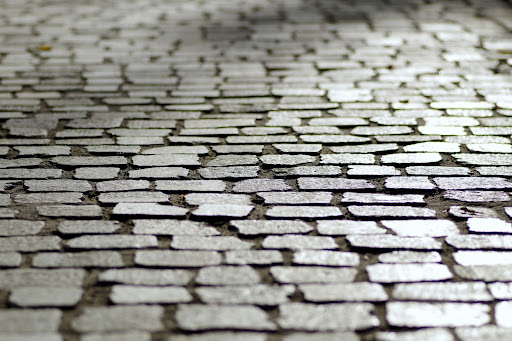
Instead of a single solid surface, pavers are individual bricks or stones arranged in patterns. The result is more decorative. If a section becomes damaged, the individual pavers can be lifted and replaced without redoing the whole driveway. However, cost is a downside, since installing this type of driveway takes time and careful labor, making it more expensive.
Endnote
For many homeowners, asphalt or concrete ends up being the practical choice. Both are strong and durable and cope with daily vehicle use well. Gravel works well when the main concern is budget and pavers, for the visual appeal. No matter your choice, the preparation underneath is just as important as the surface.