Buying a new heating system isn’t just about replacing a broken unit, it’s a decision that affects comfort, operating costs, and reliability for years. Whether you’re considering a full furnace installation or switching system types entirely, small mistakes during the selection process can lead to long-term performance issues. Before committing to new equipment, it’s important to understand what actually drives comfort, and what often goes wrong.
Table of Contents
Shopping for a New Heating System After a Heating Issue
Most homeowners don’t replace a new heating system because of a single failure. What usually pushes someone from “repair it” to “replace it” is a pattern: two or three service calls in one season, repeated furnace repair visits, uneven heating that never quite gets fixed, rising energy bills without better comfort, or a part that’s obsolete or backordered. Sometimes a scary repair quote that’s half the cost of a new heating system becomes the tipping point after a recurring heating issue.
A common shift happens when a technician explains that one failed part is a symptom of overall wear, for example, a blower motor failing after years of short cycling, or a cracked heat exchanger in a system near the end of its expected lifespan. At that stage, the question changes from “Can this be fixed?” to “Is this system becoming a liability?” Major component failures, repeated mid-season repairs, or realizing the system can’t maintain comfort during extreme weather all reinforce that pattern and signal deeper heater issues.
But the real trigger is loss of trust. When homeowners stop feeling confident that the system will work on the coldest night of the year, that’s when they start shopping for a new heating system. It’s less about age and more about reliability anxiety. Nobody wants to gamble on heat in January. It’s rarely just about age. It’s about confidence and long-term risk tied to an unresolved heating issue.
Common Heating Mistakes When Choosing a New Heating System
The biggest mistake is shopping by equipment, not by comfort outcome. Many common heating mistakes happen when heating equipment is treated like a standalone appliance instead of part of a whole-home system.
Most homeowners focus on the box in the basement. The heating system is just one piece of the comfort puzzle.
Homeowners often choose the highest efficiency rating without asking if it fits their home, replace equipment “like for like” during a furnace replacement without evaluating whether the home’s needs have changed, ignore ductwork condition or assume their existing airflow setup is “good enough,” buy based on brand reputation alone rather than system design, and make a decision during an emergency heating issue without comparing options or reviewing long-term operating costs. These are some of the most overlooked common heating mistakes that lead to long-term performance problems.
Additions, insulation upgrades, window replacements, or finished basements can alter heating requirements, yet many replacements happen without reassessing those changes. Failing to account for these updates is another example of common heating mistakes that can compromise a new home heating system.
The best decisions consider the entire comfort system, air distribution, insulation quality, humidity control, noise levels, usage patterns, and long-term operating cost, not just the furnace or heat pump itself.
How Improper Sizing Causes Heater Issues in a New Heating System
Because heating systems don’t just “heat.” They operate in balanced cycles. Improper sizing disrupts that balance and is one of the fastest ways to turn a new heating system into ongoing heater issues, especially when sizing decisions are rushed during the heating installation process.
When a system is oversized, it heats the space too quickly and shuts off before completing a full operating cycle. It short cycles, turning on and off constantly, which wears out ignition systems and motors, causes frequent expansion and contraction of metal components, reduces efficiency due to incomplete combustion stabilization, creates uneven temperatures between rooms, overheats components, wastes fuel, and reduces lifespan. Over time, this leads to avoidable heater issues even in a recently installed system.
When a system is undersized, it runs nonstop and struggles during extreme cold. It increases mechanical strain, overheats internal components, shortens blower and heat exchanger lifespan, fails to maintain design temperature in extreme conditions, and never fully satisfies the thermostat. Undersizing is another one of the common heating mistakes that creates preventable heater issues.
Proper sizing is about heat loss calculations, not square footage guesses. Sizing must be based on a detailed heat loss calculation, not square footage alone. Two identical homes on the same street can need completely different system capacities due to insulation, window type, air leakage, and layout. Improper sizing accelerates wear and compromises comfort from day one in any new home heating system.
Choosing the Wrong Type of New Heating System
If the system type doesn’t match the home, it creates friction that never goes away. Wrong system type means wrong operating conditions.
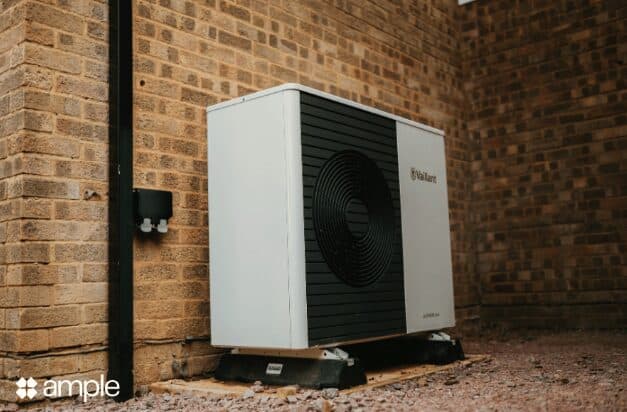
When the system doesn’t align with the home’s structure, climate, infrastructure, and energy costs, problems surface gradually. Installing a heat pump in a poorly insulated home without addressing envelope issues can expose air leakage and lead to excessive auxiliary heat use. Choosing a high-efficiency condensing furnace where venting is poorly configured, or without proper drainage slope, can result in recurring shutdowns or draft instability. Switching fuel types without redesigning venting creates similar heater issues. Installing electric heat in an area with high electricity rates drives up operating costs. Selecting radiant heat without planning proper floor insulation can cause heat loss downward instead of into the living space.
Over time, this mismatch leads to comfort complaints, high utility bills, frequent service calls, moisture issues, and shortened equipment life. If environmental and structural requirements aren’t met, the system operates outside its optimal range, increasing maintenance needs and reducing efficiency. These oversights often begin as a minor heating issue and evolve into repeated breakdowns.
The best heating system isn’t the most advanced one. It’s the one that fits the home’s structure, climate, and energy costs. Compatibility matters more than equipment popularity when selecting a new home heating system.
Contractor Mistakes That Lead to Heater Issues
Most post-installation problems trace back to skipped setup steps rather than faulty equipment.
A lot of contractors install equipment. Fewer properly commission it, and that’s where many common heating mistakes happen.
Common mistakes include failing to perform a load calculation, not evaluating ductwork or measuring static pressure, improper airflow setup, leaving factory blower settings unchanged, ignoring duct leakage, not verifying combustion performance, poor venting design, skipping airflow balancing, not registering warranties, and having no commissioning process.
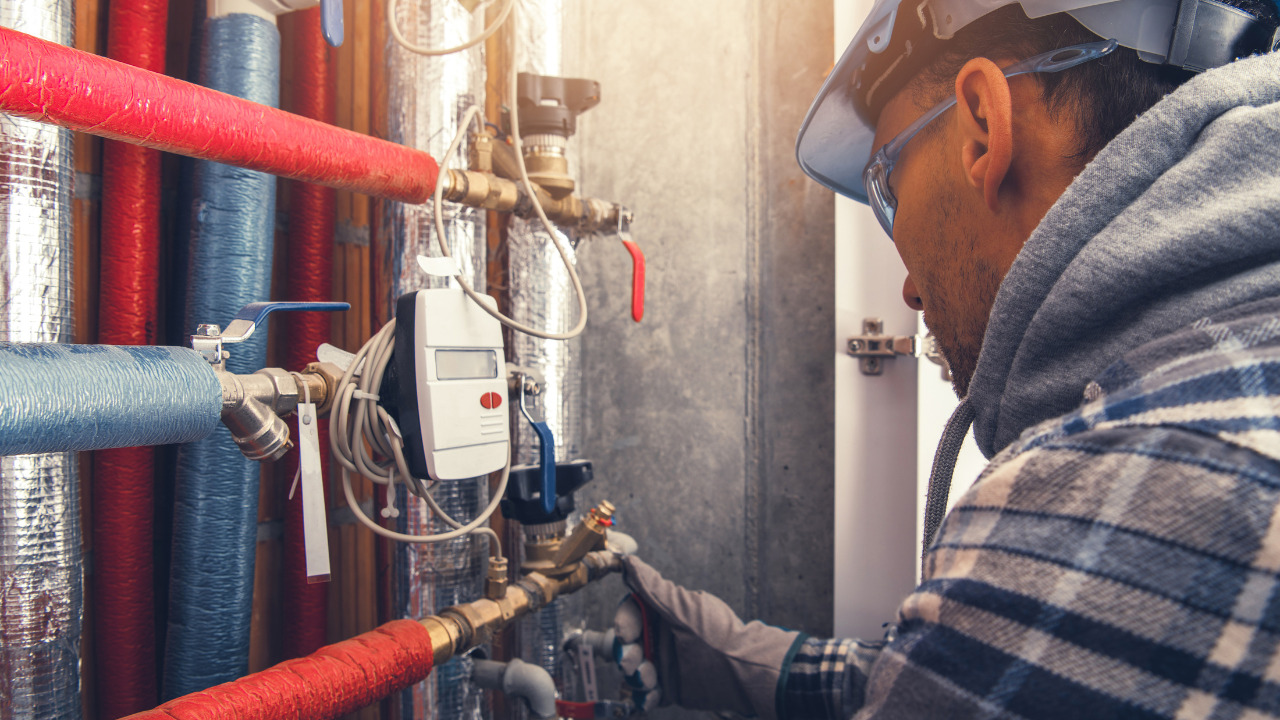
Commissioning includes static pressure testing, gas pressure adjustment (if applicable), temperature rise verification, airflow balancing, and safety testing. A properly installed system should be commissioned with airflow verification, gas pressure adjustment, temperature rise measurement, and safety testing.
If these steps aren’t done, the system may “run,” but it won’t run correctly. When installation shortcuts occur, the system may function, but it won’t operate at peak performance. Many early heater issues in a new heating system trace back to improper setup rather than manufacturing defects.
New Construction Heating Services vs Replacing a New Home Heating System
New construction is a blank slate. Replacement is adaptation.
In new construction heating services, the heating system is integrated into the home’s design from the beginning. The system is designed alongside framing and insulation, ductwork is built from scratch, mechanical room space is planned, venting routes are optimized, and load calculations are done before walls are closed. You design the system around the house.
Replacement of a new home heating system in an existing home requires working within constraints. Existing ductwork may be undersized or leaking, electrical capacity may need upgrading, venting may not meet modern codes, layout constraints can limit equipment choice, and air sealing issues already exist. The installer must design the system around what’s already there.
Replacement projects often require diagnostic evaluation of what’s already in place. Simply swapping equipment without addressing airflow or structural limitations can carry old problems into a new heating system. That’s why replacements often require more diagnostic thinking than new construction heating services.
New construction builds from a blank slate. Replacement requires adaptation and correction to prevent long-term heater issues.
Efficiency Mistakes When Buying a New Home Heating System
Efficiency ratings are often misunderstood as “guaranteed savings.”
Efficiency ratings like AFUE measure how effectively fuel is converted to heat under controlled testing conditions. AFUE measures fuel-to-heat conversion in lab conditions. They do not account for installation quality, duct leakage, insulation levels, thermostat settings, runtime patterns, or real-world usage patterns. Efficiency rating does not reflect real-world performance or account for duct losses in a new home heating system.
Common misunderstandings include assuming a 98% AFUE system guarantees dramatically lower bills, believing higher efficiency automatically means lower bills or always justifies a higher upfront cost, assuming a 98% furnace will drastically cut costs compared to 92%, overlooking duct losses that reduce delivered efficiency, and ignoring maintenance requirements of high-efficiency systems. These assumptions are among the more subtle common heating mistakes.
A perfectly installed 92% system can outperform a poorly installed 98% system. In some homes, upgrading from 80% to 92% efficiency offers strong performance gains without the installation complexity of ultra-high-efficiency systems. The best efficiency choice depends on venting configuration, climate, and home design.
Efficiency matters, but installation quality and home envelope matter more. Efficiency ratings are important, but they are only one part of actual performance in any new heating system.
What to Check Before Committing to a New Heating System
This is where homeowners can protect themselves from future heater issues.
Before installation, homeowners should confirm that a written heat loss calculation was performed and that ductwork sizing, condition, and static pressure were evaluated. They should make sure venting and combustion air requirements were reviewed and that the electrical panel has the capacity to support the new heating system. The installer should commission and test the system after installation, include warranty registration, and clearly explain maintenance expectations. The thermostat should also be compatible and programmed properly.
They should also ask how the system is designed to perform during peak winter temperatures, not just average days. That question alone separates surface-level estimates from thoughtful system design and reduces the risk of another costly heating issue.
A well-designed new home heating system should match the home’s structure, climate demands, and airflow capacity. Verifying these details before installation helps prevent performance problems and avoid the most expensive common heating mistakes later.