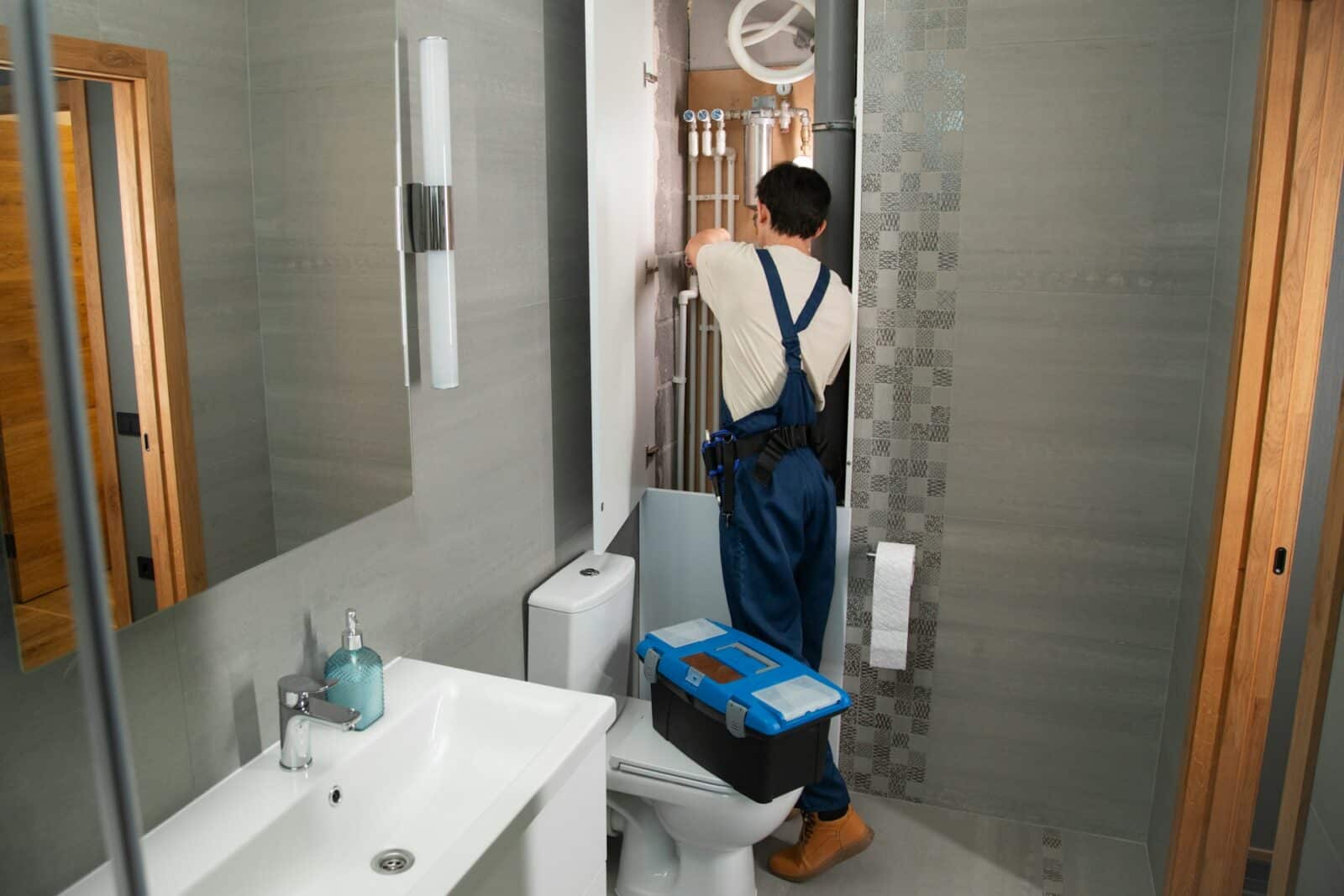
While you may not see it, your home’s plumbing system works tirelessly every day to ensure clean water and wastewater flow in and out of your home with ease. As the flow continues seamlessly, you may not notice problems developing in your system, which is why dedicated plumbing care is needed. With continuous care, small issues can be easily detected early, preventing costly, major repairs.
Whether you’re just getting started with your plumbing care or are looking to improve your care approach, acting early is important. Below, we’ll look at some effective plumbing care tips to help you prevent costly repairs.
Table of Contents
Check for Leaks Consistently
Leaks can be quiet and barely noticeable at first, but after a few days of consistent drips, the signs can become hard to miss. Walk through your home at least once every month to look for any visible signs of leaks. You can check under toilets, under sinks, and near any appliance that uses water. With consistent inspections, you can easily detect leaks at their earliest stages, avoiding more costly water damage and repair costs.
When inspecting, pay close attention to water stains on walls or ceilings, as these usually indicate a developing problem behind the walls. Also, check the floors around plumbing fixtures for any damp spots, as these often indicate developing problems. If you notice musty odors from undersinks, bathrooms, or basements, it’s a sign there’s moisture where it shouldn’t be.
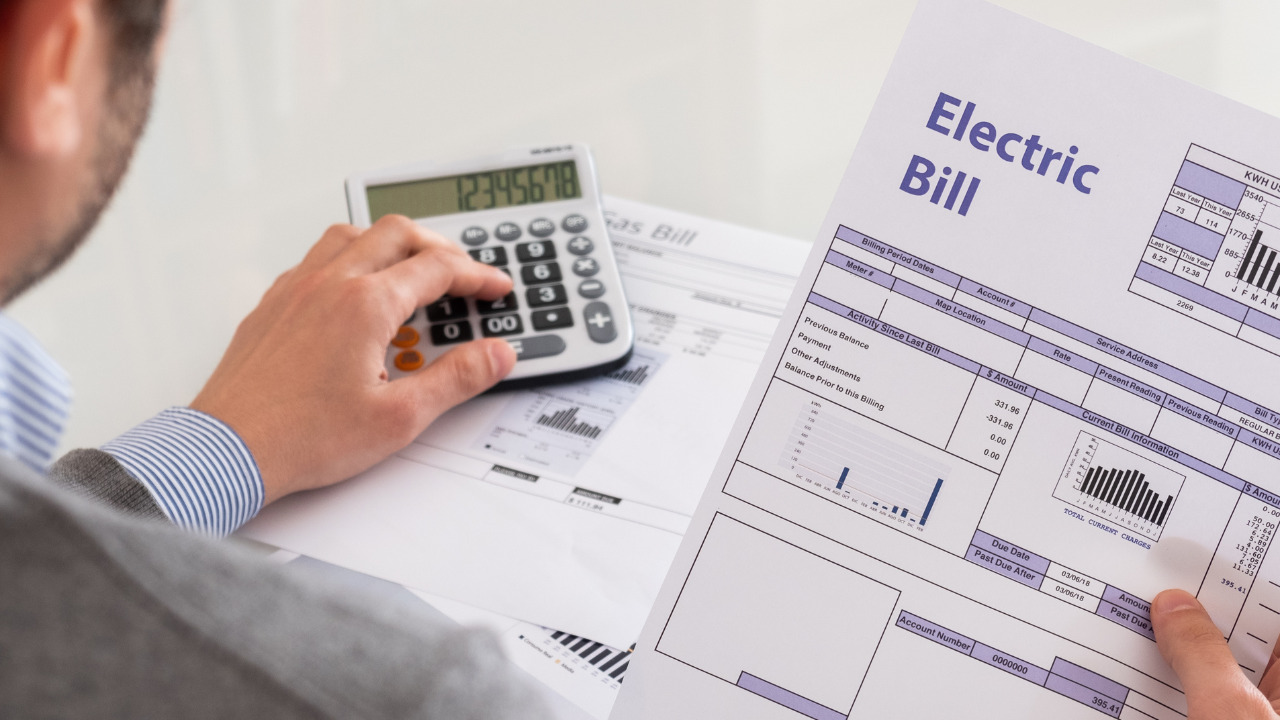
If you suddenly see a spike in water bills, it’s a sign there might be a leak somewhere in your system. When this happens, ensure you schedule a plumbing system inspection as soon as possible.
Protect Your Pipes
Your pipe’s number one enemy is extremely cold or freezing temperatures in the winter or fall. While you cannot control the natural temperatures of a region, you can certainly protect what those temperatures affect in your home. By insulating your exposed pipes, especially those in exposed areas, you help protect them from extreme cold that can cause them to freeze and burst.
You can do this yourself by buying and installing foam pipe insulation sleeves from your local supplier, for a quicker solution. You should regularly inspect the pipes under your home to ensure they’re protected from root invasion and damage. If tree roots are near your plumbing system, you should call in the experts to install a root barrier. They can also suggest what landscaping techniques to use to prevent future root intrusions.
Maintain a Safe Water Pressure
Your home plumbing system is designed to operate at its best at a specific water pressure to protect the pipes, fixtures, and other appliances. If water pressure rises, it can put extra strain on your pipes, appliances, and fixtures, leading to leaks or damage.
You can monitor your home’s water pressure by installing a water pressure gauge to ensure it’s always within the safe range of 40 and 60 psi. Anything beyond this range should be cause for alarm, and you should install a pressure regulator to protect your plumbing system from long-term damage.
Keep Your Drains Clear
When your drains flow freely, you’ll have little to worry about concerning clogs and backups. You can intentionally keep your drains clear by installing drain screens in your sinks and showers to catch soap residue, hair, and debris before they get into your pipes. The simple act of installing these inexpensive drain screens can save you from the costly drain-cleaning process.
If you’ve been pouring grease down your drain, you need to stop immediately, as this grease solidifies down the pipes, causing stubborn blockages requiring professional removal. Once you’re done using your kitchen sink, you can pour hot water to help flush away small food particles and soap for a clearer drain.
Taking good care of your plumbing system is the first step towards achieving a seamless water flow in and out of your home. By checking for leaks consistently, protecting pipes, maintaining safe water pressure, and keeping drains clean, you can enjoy longer periods of stress-free water movement in and out of your home.