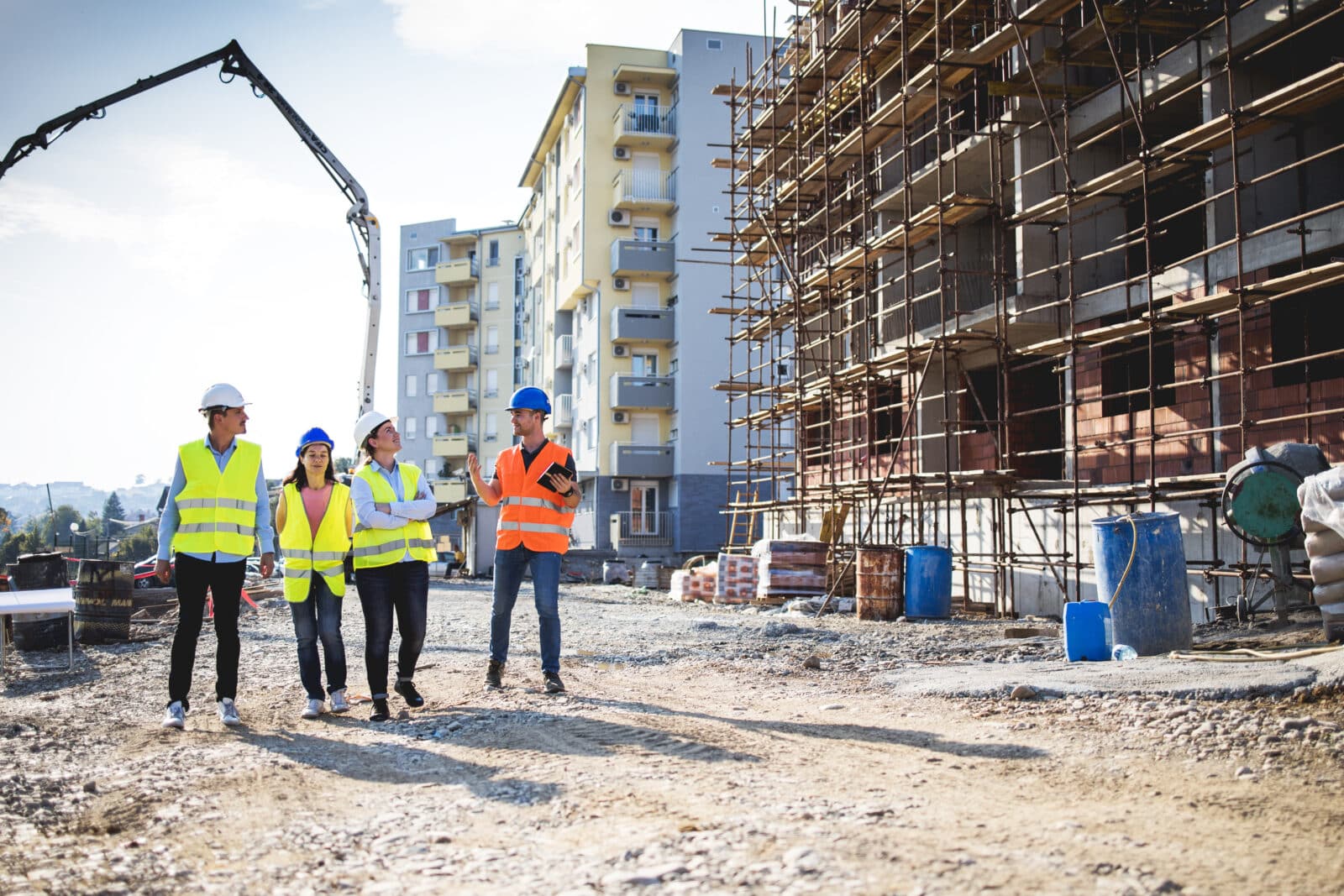
Real-time surveillance on construction sites has evolved far beyond its original security purpose. Modern systems deliver intelligence that helps project managers improve worker safety and optimize resource use.
Data-driven surveillance technology transforms how teams monitor compliance, track project progress and make smart decisions that keep the project on schedule.
Table of Contents
From Passive Security to Proactive Operational Intelligence
Construction site surveillance once served a single purpose. Cameras recorded footage for post-incident review but offered little value for preventing problems or improving daily operations. Managers reviewed tapes after accidents occurred or during investigations of theft.
Now, teams use visual data differently. Real-time surveillance systems provide immediate insights that inform decisions as work unfolds. Project managers can spot construction site safety violations the moment they occur, track equipment movement throughout the day and identify workflow bottlenecks before they cause any delays. With the technology, raw footage becomes useful intelligence.
Digital adoption also demonstrates significant returns for construction businesses. Research shows that companies that successfully integrate surveillance technologies experience fewer safety incidents and improved work quality and timeliness. Each additional technology a construction business adopts correlates with a 1.14% rise in expected revenue.
Industry experts recognize the value of real-time monitoring capabilities. A survey of 240 construction professionals found that 212 respondents identified real-time worker tracking as highly desirable, while 165 valued work environment monitoring. Financial constraints and system integration challenges were seen as the primary barriers to wider adoption.
Data Analytics for Improved Construction Site Safety
Analytics capabilities turn surveillance footage into a proactive safety tool. Project managers can identify hazards and address compliance issues rather than simply investigating problems after workers are injured.
Identification and Mitigation of On-Site Hazards
AI-powered analytics automatically detect common dangers. Systems can identify workers operating without required personal protective equipment, trigger alerts when personnel move too close to heavy machinery and flag spills or debris in walkways. The technology enables speedy intervention without requiring supervisors to manually monitor every zone.
OSHA data reveals that falls, struck-by objects, electrocutions and caught-in incidents account for the majority of construction-related deaths. Automated detection systems help site supervisors spot these “Fatal Four” risks in real time across multiple zones, enabling faster responses to dangerous conditions.
Oversight for Regulatory and Behavioral Compliance
Beyond confirming proper procedures for high-risk tasks, such as working at heights or operating heavy equipment, the footage also serves as a valuable training resource. Incident investigations benefit from the documentation that shows exactly what happened and why.
Worker privacy and data handling require careful consideration as monitoring technology advances. Under regulations, such as the General Data Protection Regulation in the European Union, real-time monitoring may raise legal issues regarding the processing of personal data. That said, clear policies must balance oversight with employee rights.
Workflow Optimization and Project Efficiency
Surveillance data delivers insights that transcend safety applications, enabling project managers to gain visibility into resource deployment and project pacing.
Streamlined Management of Resources and Equipment
Visual monitoring reveals how crews use equipment throughout each shift. Managers use the technology to identify idle machinery that could serve other zones, verify the arrival of materials and ensure tools move as they should between work areas.
Real-time visibility prevents the bottlenecks that slow progress and helps supervisors make immediate adjustments when resource conflicts emerge across multiple work zones.
Equipment tracking reduces the time crews spend searching for tools or waiting for machinery to become available. When managers know exactly where resources are at any moment, they can redeploy assets quickly to address emerging needs.
Accurate Project Timeline and Progress Tracking
Visual data helps managers compare actual progress against planned timelines throughout each construction phase. Mobile surveillance towers empower project managers to monitor safety practices while ensuring compliance with regulations across large or complex sites.
Site supervisors can identify problem areas and practices, like improper equipment use, that cause delays. They can then adjust work plans before small issues turn into major schedule disruptions.
Time-lapse capabilities provide compressed views of work completed over days or weeks. Managers can quickly assess whether foundation work, framing or finishing tasks align with project milestones. When visual evidence shows work is falling behind schedule, teams can allocate additional resources or adjust sequencing to recover lost time.
Key Applications for Construction Site Surveillance
Beyond safety and efficiency gains, real-time monitoring protects assets and strengthens stakeholder relationships throughout the construction process.
Security for High-Value Assets and Materials
Construction site surveillance deters theft and vandalism, particularly during off-hours when sites are unattended. Projects involve expensive equipment and materials, such as copper wiring, power tools and specialized machinery, that attract thieves and require protection.
A large construction project in Chongqing deployed blockchain-enhanced surveillance with dynamic encryption, achieving 98.2% defense success against man-in-the-middle attacks. The 286,000-square-meter site reduced safety incidents by 55.8% while improving equipment failure prediction timeliness by 82.9%, demonstrating how integrated security protects both physical assets and operational data.
Enhancements in Stakeholder Communication and Reporting
Live feed access and time-lapse videos create compelling progress reports that provide transparency for clients, investors and other stakeholders. Visual documentation eliminates the need for frequent site visits while building confidence in project management.
When questions arise about whether teams completed specific tasks or met interim deadlines, the footage provides evidence to protect contractors and keep clients informed throughout the construction process.
The Future of Data-Driven Construction Management
Integrated surveillance and analytics systems are becoming standard infrastructure. Construction firms that leverage real-time data for safety monitoring, compliance verification and workflow optimization position themselves to deliver projects more reliably and profitably in an increasingly competitive industry.