Construction sites depend on reliable fluid, steam, fuel, and pressure systems every day. In these demanding environments, choosing the right industrial hose is not only a technical detail but also a practical way to reduce maintenance risks. This article looks at where a corrugated metal hose can offer a safer, more durable solution in construction and industrial applications.
In large-scale construction and industrial environments, hose failure isn’t just inconvenient – it can stall operations, damage equipment, and eat into budgets. That’s why more builders and engineers are switching to corrugated metal hoses that deliver durability, flexibility, and safety under extreme conditions. When heat, pressure, vibration, or aggressive media are part of daily operation, the right hose choice can reduce maintenance stops.
Table of Contents
What sets metal hoses apart in construction?
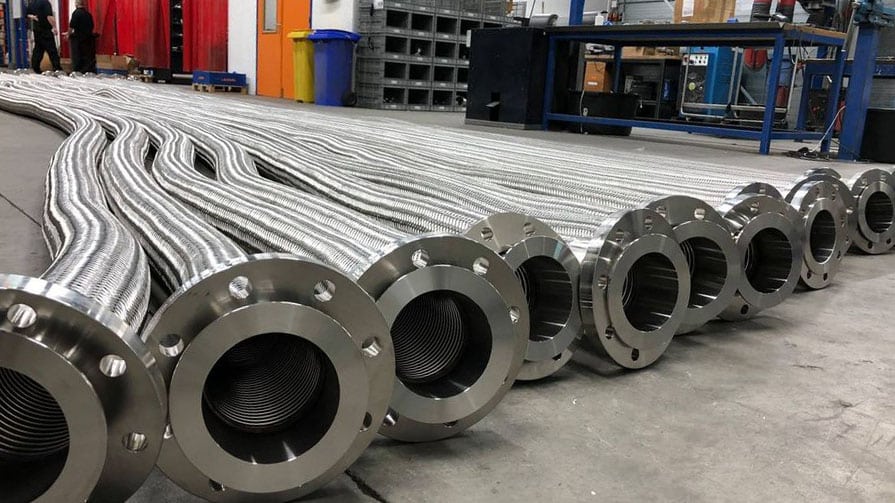
Standard rubber or plastic industrial hoses can degrade quickly when exposed to heat, pressure, or chemicals. In contrast, corrugated metal hoses, often made from stainless steel, are designed to handle the demands of heavy-duty construction equipment, high-pressure fluid systems, and volatile environments. The corrugated structure helps the hose remain flexible, while stainless steel construction supports resistance against corrosion and temperature changes.
Whether it’s moving steam, fuel, or industrial chemicals, these industrial hoses are built to maintain structural integrity without cracking, leaking, or corroding. That means fewer delays and fewer unplanned replacements during construction phases.
Common reasons industrial hoses fail on the jobsite
Understanding failure points helps prevent them:
- Torsional stress – Over-rotation or twisting during installation weakens the hose wall.
- Fluid velocity – High-speed flow creates turbulence and vibration, accelerating wear.
- Corrosion – Moisture, steam, and chemicals break down materials not built to resist them.
- Incorrect bend radius – Forcing a hose into a tighter curve than recommended can shorten service life.
Many of these failures happen quietly, until they suddenly shut everything down. That is why hose selection should not be based only on diameter or price. Pressure rating, temperature range, transported medium, movement, and connection type all matter on a construction site.
Corrugated vs reinforced metal hose: Know the difference
Basic corrugated metal hoses are flexible and pressure-resistant thanks to their wave-like geometry. There are two core types:
- Annular corrugated hoses (with rings perpendicular to the hose) are ideal for general fluid transport.
- Helical corrugated hoses (with spiral-shaped corrugation) perform better when rotation or smoother flow is required.
For even higher performance, reinforced metal hoses come with external braiding – typically stainless steel wire mesh – that enhances strength and prevents hose elongation or bursting under pressure. In many industrial hose assemblies, this braid helps the hose withstand pressure without losing the flexibility that makes it practical on site.
This combination of flexibility and structural reinforcement is especially useful in dynamic construction environments where vibration, shifting machinery, and heat extremes are daily challenges. Depending on the hose type and specification, reinforced metal hoses can also be used with gaseous or liquid media.
Construction applications of industrial metal hoses
Reinforced metal hoses are used across multiple jobsite systems, including:
- Steam distribution lines
- Concrete batch plants
- Hydraulic excavation and lifting equipment
- Fuel transfer in temporary generators
- Dust suppression systems using pressurized water
- Temporary utility connections
- Mobile machinery and equipment connections
Their ability to conform to tight bends, absorb vibration, and withstand extreme mechanical stress makes them a go-to solution for engineers and contractors alike.
Why metal hose quality matters in construction
Not all industrial hoses are created equal. In construction, every delay impacts timelines and budgets. Choosing high-quality, reinforced industrial hose assemblies ensures long-term reliability, whether you’re operating in sub-zero temps or dealing with high-pressure steam systems.
Quality also depends on the complete assembly, not only the hose itself. Material grade, braid construction, fittings, pressure testing, and documentation can all influence how safely the hose performs.
Avoid downtime. Build smarter. Choose industrial hose solutions engineered for the realities of modern construction.