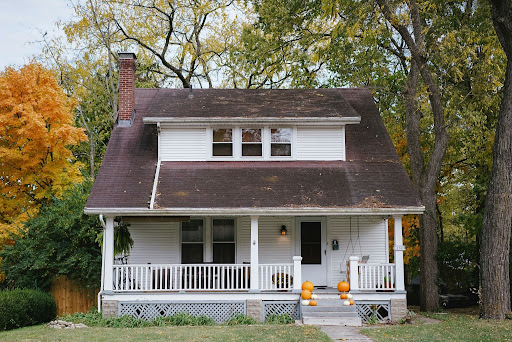
Older homes often have a charm and character that newer properties struggle to replicate. From original woodwork to established neighborhoods, these houses carry history and personality. However, aging materials, outdated systems, and years of exposure to weather can make older homes more vulnerable to water problems. This guide offers essential tips to help homeowners improve protection, reduce repair costs, and keep their treasured properties in better condition.
Table of Contents
Inspect the Roof and Gutters Regularly
The roof is one of the first defenses against water intrusion. Over time, shingles can deteriorate, flashing can loosen, and small leaks can develop without obvious warning. Regular roof inspections help identify issues before they spread into ceiling, walls, and insulation.
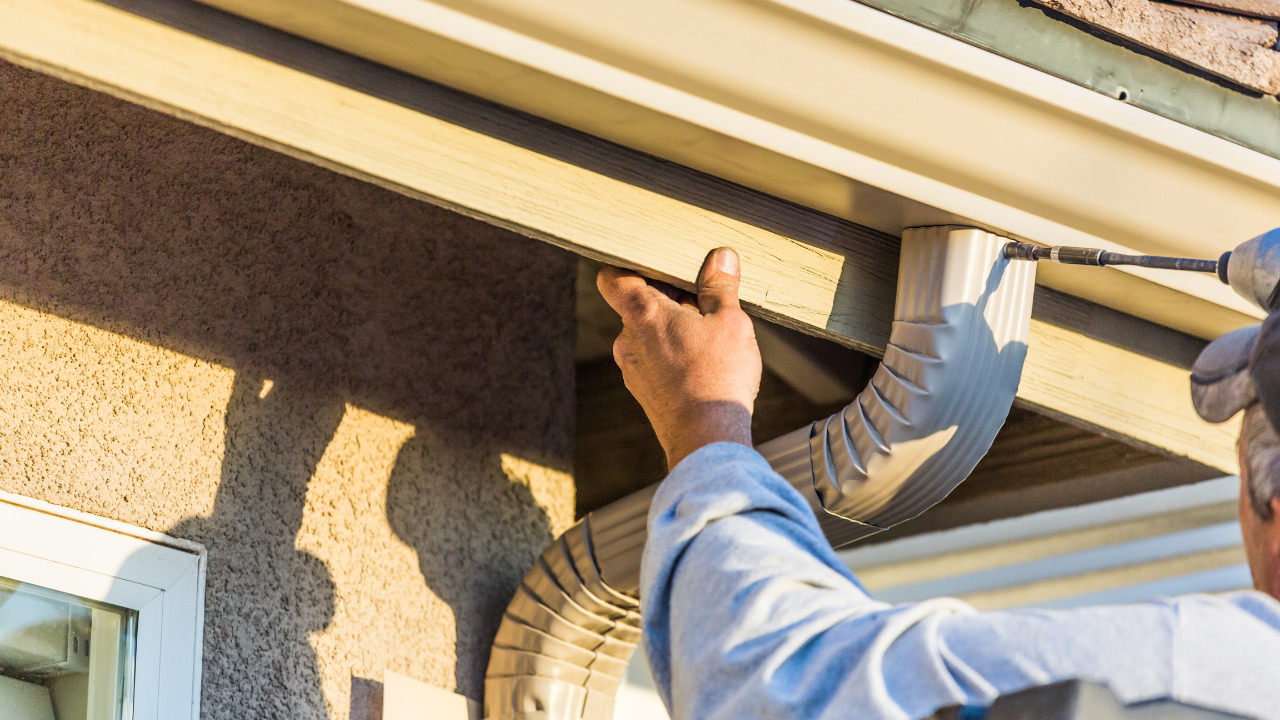
Gutters also play an important role in directing rainwater away from the home. Clogged or damaged gutters can cause water to overflow near the foundation, increasing the risk of leaks and structural damage. Cleaning gutters several times a year and repairing damaged sections can make a significant difference.
Improve Drainage Around the Foundation
Many older homes were built before modern drainage solutions became common. Poor grading around the property can allow rainwater to collect near the foundation instead of moving away from the structure.
Homeowners can improve drainage by adjusting the slope of the landscape, extending downspouts farther from the house, and installing drainage systems where needed. Keeping soil and landscaping from trapping moisture against exterior walls can also help prevent long-term foundation issues.
Upgrade Aging Plumbing Systems
Old plumbing is another common source of water problems. Pipes can weaken with age, develop leaks, or fail unexpectedly. Small leaks behind walls or under the floors may go unnoticed until they create bigger problems such as mold growth, damaged drywall, or weakened structures.
Replacing outdated plumbing components and checking for signs of leaks can protect the home from unnecessary damage. If a serious leak or a flooding situation occurs, professional services such as water damage restoration Austin, TX, especially for residents of Austin and surrounding areas, may be needed to remove moisture, dry affected areas, and prevent further deterioration.
Seal Windows, Doors, and Exterior Cracks
Older homes often have gaps around windows, doors, and exterior surfaces where water can enter. Over time, caulking can crack and seals can lose effectiveness, allowing moisture to seep inside during heavy rain.
Replacing worn seals, repairing cracks in exterior walls, and maintaining siding or brickwork can create a stronger barrier against the elements. These improvements are usually simple projects but can provide long-term protection.
Maintain Basements and Crawl Spaces
Basements and crawl spaces are common trouble areas in older homes. Poor ventilation, high humidity, and groundwater issues can create an environment where moisture problems develop quickly.
Installing proper ventilation, using moisture barriers, and checking for signs of leaks can help maintain a healthier space. Regular inspections are especially important after storms or periods of heavy rainfall.
Consider Modern Waterproofing Solutions
Today’s waterproofing methods provide older homes with protection that may not have been available when they were originally built. Options such as foundation coatings, sump pumps, improved drainage systems, and moisture-resistant materials can help strengthen vulnerable areas.
Endnote
Making an older home more resistant to water problems does not always require a complete renovation. Small improvements, regular inspections, and timely repairs can greatly reduce the risk of serious damage. By focusing on areas like roofing, drainage, plumbing, and moisture control, homeowners can preserve the beauty of an older property while improving its durability for years to come.