Every kitchen has that one tile. You know the one. You step on it, and it makes a noise like a tiny drum solo, and you have been ignoring it for approximately eight months because the floor still looks completely normal, and you have other things going on. That sound is not the tile being quirky. It is the tile filing a formal complaint.
What that drum noise actually means is the tile has stopped being attached to anything underneath it. There is a gap, an air pocket, where solid adhesive used to live. The tile is basically just floating there, held in place by grout lines and pure stubbornness.
Table of Contents
1. How a Tile Goes From Fine to Hollow Without Anyone Noticing
Water is usually the culprit, sneaking in through a hairline crack in the grout or a seal that quietly gave up years ago. It breaks down the adhesive bit by bit, and because this takes months, nobody catches it happening in real time. One day it is fine, then it is not, and the transition was invisible.
Sometimes it is just a rough install. Adhesive spread too thin, or unevenly, leaves gaps right from day one. A tile going hollow within the first year is not bad luck. It is the original job quietly confessing.
And then there is temperature swing, which sounds boring but does real damage over time. Tile and the floor underneath expand and contract at different speeds as the seasons change. Do that enough times, and the bond snaps somewhere weak, usually near a door or a big open stretch of floor that takes the worst of the temperature shifts.
2. Why Ignoring It Eventually Costs More Than Fixing It
A hollow tile has zero structural backup. Every footstep, every dropped pan, every dining chair scraped across the floor sends that weight straight into the grout instead of the subfloor. Grout cracks. Tile cracks. And then you are standing in the kitchen asking how a tile just broke when nothing heavy ever touched it, which, respectfully, the floor already told you this was coming.
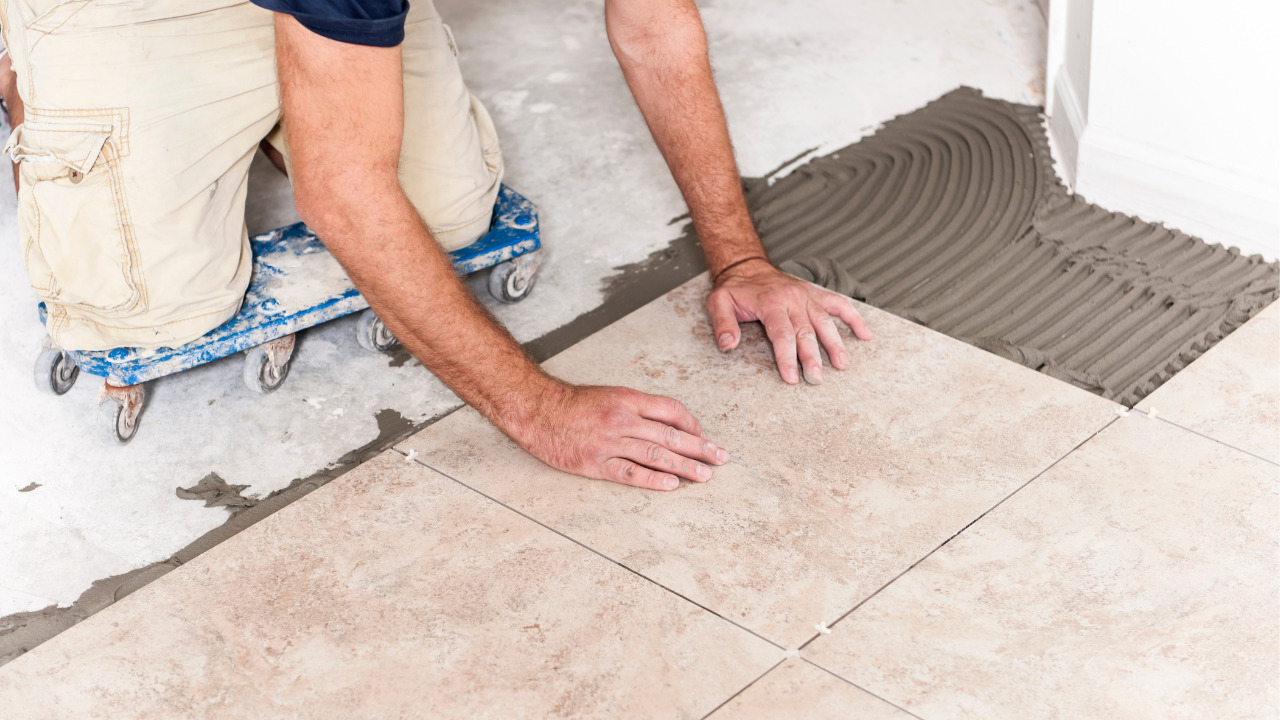
Catching it early and getting actual tile repair done usually means popping that one tile up, scraping out the dead adhesive, and re-setting it properly. Ignore it long enough, and the same job turns into several broken tiles, plus whatever water damage has been quietly building underneath while you were busy living your life.
3. The Five-Minute DIY Check Nobody Bothers Doing
Grab something solid, a screwdriver handle does the job perfectly, and walk the floor tapping as you go. Solid tile sounds dull and flat. Hollow tile sounds bright and a little hollow, shockingly enough. Mark the suspicious ones with tape instead of trusting your memory, because you will absolutely forget which tile it was by tomorrow.
Check near sinks, exterior doors, and anywhere water regularly shows up. Those spots fail first, every time, because they have been quietly soaking up moisture for years while everyone walked over them without a second thought.
4. This Same Drama Happens on the Roof
The hollow tile situation is not just a floor problem. Roof tiles go through the exact same heartbreak, weather and temperature cycling slowly breaking the bond up there too. A hollow roof tile is significantly more urgent than a hollow floor tile, because up there the consequence is water finding its way into the house rather than just a cracked surface to dodge in socks.
Conclusion
A hollow tile is not making conversation. It is reporting a structural failure that has already happened, quietly, while you were not looking. Catch it early, and it is a quick fix. Ignore it, and it becomes a much bigger, much more expensive story you will be telling for years.