Few things are more frustrating than stepping into the shower only to be greeted by a weak stream of water. Low water pressure can make everyday activities, from washing dishes to doing laundry, take longer and feel less efficient. While many homeowners assume poor water pressure means major plumbing work is needed, the reality is often much simpler. In many cases, improving water pressure involves identifying the underlying cause and applying the right solution. From clogged fixtures to outdated pressure systems, several factors can affect how water moves through your home.
Table of Contents
When a Booster Pump Makes Sense
Some homes naturally struggle with low water pressure because of their location. Houses built on hills, larger multi-story homes, and properties located far from municipal water lines may simply not receive enough incoming pressure to meet daily needs.
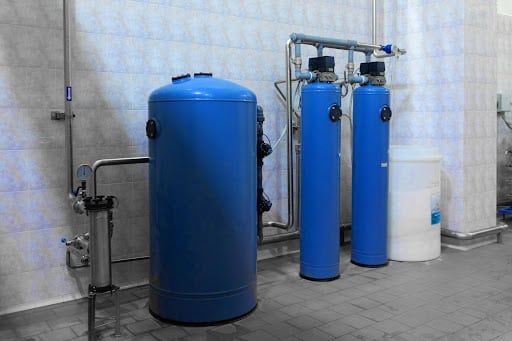
In these situations, installing a booster pump can make a dramatic difference. Homeowners researching pressure solutions often discover that a good commercial booster pump can significantly increase water pressure by boosting the flow entering the plumbing system. Suppliers such as 24hr Supply offer a range of booster pumps from manufacturers including Grundfos and Bell & Gossett, allowing homeowners and contractors to choose equipment that matches the size and water demands of a particular building.
For larger homes or properties with multiple bathrooms, a properly sized booster pump can improve shower performance, appliance efficiency, and overall water flow throughout the house.
Start by Identifying Where the Problem Occurs
Before making any upgrades, determine whether low pressure affects the entire house or only certain fixtures. If only one faucet or shower has poor pressure, the issue may be a clogged aerator or mineral buildup inside the fixture itself. Cleaning or replacing the fixture can often restore normal water flow.
If every faucet in the house experiences weak pressure, the cause is usually more significant and may involve the home’s plumbing system, pressure regulator, or water supply. Understanding whether the problem is isolated or affecting the entire property can save both time and money and help narrow down the most effective solution.
Check for Hidden Leaks
A plumbing leak does not always create visible damage right away. Even a small leak behind a wall or under a foundation can reduce water pressure throughout the house. Many homeowners overlook leaks because there is no obvious sign of water damage in the early stages.
Pay attention to unusually high water bills, damp spots on walls or ceilings, running water sounds when fixtures are turned off, or areas of unexpectedly green grass in the yard. Repairing leaks can often improve water pressure while preventing much more expensive structural damage in the future.
Clean Fixtures and Showerheads
Hard water deposits are a common cause of weak water flow, particularly in older homes and regions with mineral-rich water. Over time, these deposits gradually narrow the openings inside showerheads and faucet aerators, restricting water movement and making pressure seem lower than it actually is.
Removing these fixtures and soaking them in vinegar can often eliminate mineral buildup and restore normal water flow. This is one of the simplest and least expensive fixes available, and it should always be checked before considering larger plumbing upgrades.
Inspect the Pressure Regulator
Many homes have a pressure regulator that controls the amount of water entering the plumbing system. Over time, these devices can fail, wear out, or become improperly adjusted, leading to pressure that is either too low or excessively high.
A plumber can test water pressure with a gauge and determine whether the regulator requires adjustment or replacement. In many cases, replacing a faulty regulator provides an immediate improvement throughout the entire home and restores a more consistent water supply to every fixture.
Consider the Age of Your Pipes
Older homes sometimes have galvanized steel pipes that gradually become restricted by corrosion and mineral buildup. As the inside of the pipes narrows, less water can move through the system, causing noticeable pressure problems throughout the property.
If the issue is widespread and the plumbing system is several decades old, partial or complete repiping may eventually become necessary. However, many homeowners discover that pressure improvements can still be achieved through targeted repairs and equipment upgrades without replacing every pipe in the house.
Water Pressure Affects More Than Comfort
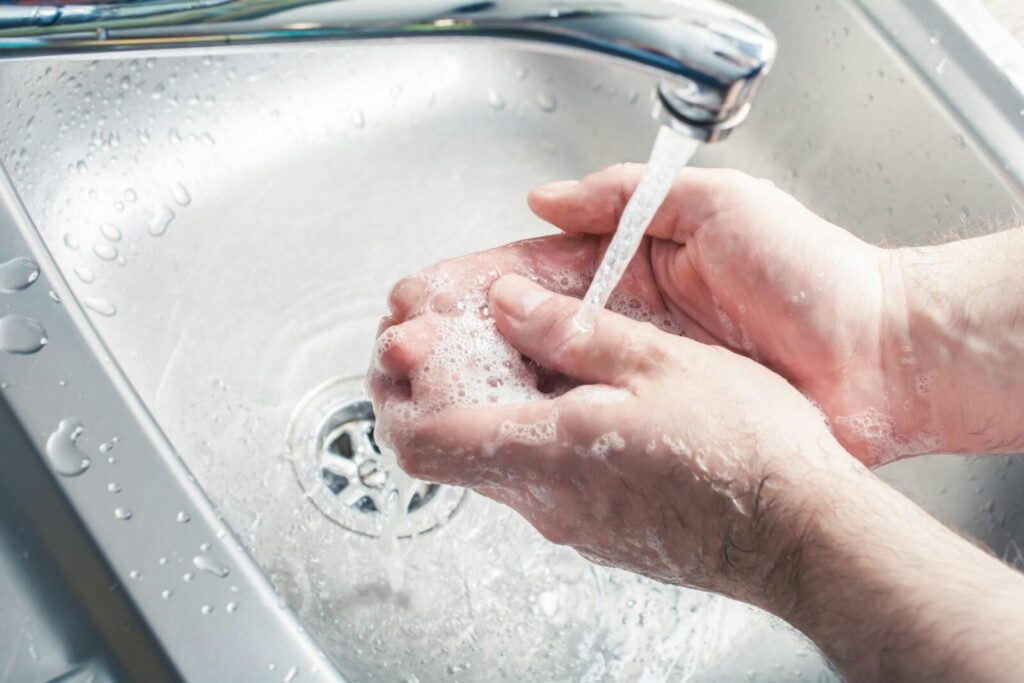
Photo by Getty Images on Unsplash
Poor water pressure is more than an inconvenience because it can affect the performance of modern appliances and plumbing fixtures. Dishwashers and washing machines often operate less efficiently when incoming pressure is inadequate, and irrigation systems may fail to provide proper coverage.
Tankless water heaters can also struggle to operate correctly if water flow drops below the required level. According to the U.S. Environmental Protection Agency, efficient plumbing systems play an important role in both water conservation and household performance. Maintaining proper pressure levels benefits convenience, improves appliance efficiency, and can even reduce unnecessary water waste.
Do Not Ignore Sudden Changes in Pressure
A gradual reduction in pressure often points toward mineral buildup or aging infrastructure. However, a sudden loss of pressure may indicate a more serious issue that requires immediate attention.
Municipal water main repairs, significant leaks, failed pressure regulators, and damaged plumbing components can all cause abrupt pressure changes. If pressure suddenly drops throughout the house, it is important to investigate promptly rather than assuming the problem will resolve itself. Quick action can prevent more extensive damage and help identify problems before they become expensive repairs.
Preventive Maintenance Helps Maintain Water Pressure
Many pressure problems develop slowly over time, which is why preventive maintenance is so valuable. Cleaning aerators and showerheads regularly, monitoring water bills for unexpected increases, inspecting visible plumbing connections, and scheduling periodic inspections can help homeowners identify issues before they become major problems.
Testing water pressure occasionally can also reveal changes that may otherwise go unnoticed. Preventive care costs very little compared to major plumbing repairs and often extends the life of both plumbing systems and household appliances.
Finding the Right Fix for Your Home
There is no single answer to low water pressure because every home is different. Some issues can be fixed in a matter of minutes, while others require equipment upgrades or professional plumbing work. The key is identifying the root cause before investing in expensive solutions.
For some homeowners, cleaning a showerhead restores perfect water flow. For others, replacing an aging regulator or installing a booster pump transforms the entire plumbing system. Understanding how water moves through your home allows you to make smarter decisions and improve both comfort and efficiency.
Strong, reliable water pressure is something most people only appreciate when it disappears. Fortunately, in many cases, restoring it is far easier and more affordable than replacing an entire plumbing system.