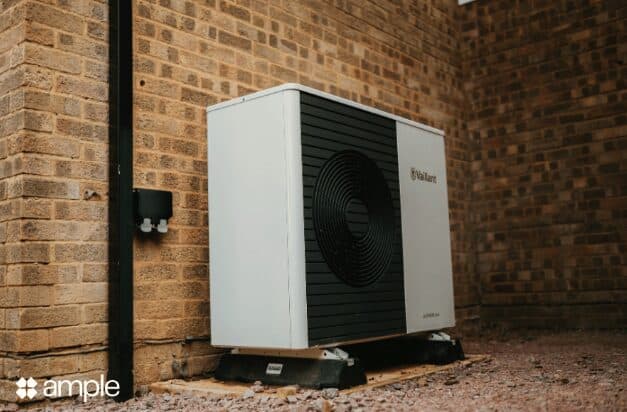
The heat pump work is there. Homeowners are looking for lower-carbon ways to heat their homes, reduce energy costs and make use of available funding. Battery storage is also becoming a natural addition to solar and wider home-energy upgrades.
For many small and mid-sized heating businesses, however, the biggest barrier is not fitting the equipment. It is the paperwork that comes with grant-backed renewable installations. Scheme requirements, certification, evidence collection, customer documentation and post-install administration can feel difficult to manage alongside day-to-day jobs.
The opportunity is still very real. With the right support and processes, established heating firms can offer renewable upgrades without letting compliance administration take over the business.
Table of Contents
Why renewables are a strong opportunity for heating firms
Heating engineers already have many of the skills that customers value in a renewable installer: diagnosing a property’s heating needs, working safely with domestic systems, explaining technical options clearly and delivering a reliable installation.
Heat pumps build naturally on this experience. Rather than replacing the need for skilled heating professionals, they create a growing area of work where good system design, careful installation and customer guidance matter greatly.
Battery storage can also create further opportunities. Customers increasingly want to understand how solar generation, electricity use, tariffs and stored energy can work together. A firm that can discuss the wider home-energy picture may be better placed to build trust and win more valuable projects.
The real barrier is often compliance administration
Grant-supported work can involve more than completing a quality installation. Depending on the scheme and project, businesses may need to manage eligibility checks, technical evidence, customer records, certificates, photos, commissioning information and timescales.
For a larger company, these tasks may be handled by a dedicated office team. For a small business, they often land with the owner, an engineer or an administrator who is already busy quoting, ordering materials and booking jobs.
This creates a frustrating situation: a capable heating firm may turn away renewable work not because it lacks installation ability, but because the paperwork feels too risky or time-consuming.
How small firms can make grant-compliant work manageable
The key is to treat compliance as part of the job workflow rather than a pile of paperwork to deal with at the end.
Build a repeatable process
A simple checklist can make a major difference. Use the same stages for every eligible project:
- Confirm the customer and property details early.
- Identify the documentation needed before installation begins.
- Capture site photos and measurements during the visit.
- Keep product, commissioning and handover records together.
- Complete required submissions promptly after the job.
A repeatable process reduces missed evidence, last-minute stress and repeated admin work.
Keep the customer journey clear
Customers may be interested in grants but unfamiliar with the requirements. Explain the process in plain English from the start. Let them know what information they need to provide, what the installation involves and when they can expect documents or updates.
Clear communication helps avoid delays and makes the business appear organised and professional.
Use specialist support where it adds value
Small firms do not have to build every process alone. Partnering with a platform or support provider can help installers access renewable opportunities while reducing the burden of administration.
For example, Ample helps installers explore a route into clean-energy installations with support designed around the practical needs of trade businesses. This can allow capable heating firms to focus more of their time on surveying, fitting and looking after customers.
Heat pumps and batteries work best as part of a wider conversation
A customer asking about a heat pump may also benefit from advice on insulation, radiator sizing, controls, solar generation or battery storage. This does not mean every home needs every technology. It means installers should assess the property and discuss practical options honestly.
A well-designed heat pump system can improve comfort and efficiency, while a battery may help some households make better use of generated or lower-cost electricity. The right recommendation depends on the building, the customer’s energy habits and the project’s eligibility requirements.
Small firms that take this consultative approach can stand out from businesses that only provide a quick quote.
The commercial benefit of getting organised
Grant-compliant renewable work can help a heating business diversify its services and create a stronger pipeline beyond traditional boiler work. It may also lead to referrals, maintenance opportunities and additional home-energy projects.
The firms most likely to benefit are not necessarily the biggest. They are the ones that combine strong installation standards with a reliable process for documentation, customer communication and compliance.
For many small heating firms, renewables are not out of reach. The installation work is often closely aligned with the skills they already use every day. The real challenge is creating a dependable way to manage certification and scheme administration.
By building repeatable processes, communicating clearly with customers and using the right support, heating businesses can take on grant-compliant heat pump and battery work with greater confidence in 2026.