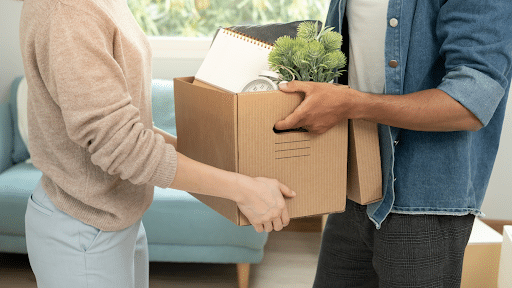
Moving doesn’t usually fall apart because of heavy lifting. It falls apart because everything feels disorganised at once. Boxes pile up, things you need suddenly disappear, and simple decisions suddenly feel exhausting.
A handful of simple but smart packing habits can remove friction at the right moments. Here are helpful box and move strategies that are easy to follow and will make your home move or office relocation far less stressful.
Table of Contents
1. Pack for Unpacking, Not for Storage
Most people pack based on what fits neatly into a box. A better box and move strategy is to pack based on when you’ll need things again.
As you pack, ask: Will I need this in the first 48 hours of the move?
- If the answer is yes, pack it last and label the box “48-Hour Box” or “OPEN FIRST”.
- If the answer is no, pack it early and stack it out of the way.
This creates a natural packing order without checklists, spreadsheets, or overthinking. You’re organising your move by timing rather than room names, which makes unpacking faster and far less overwhelming.
2. Keep Everyday Items Out of Boxes Until the Final Day
Some essential items shouldn’t be boxed at all until the very end. If you pack them too early, you might be constantly disrupted and stressed trying to find them later.
Create an open crate or laundry basket for essential items like:
- Chargers and power boards
- Cleaning supplies
- Paperwork and keys
- Daily medications
- Kids’ or pet necessities.
Make sure they’re easily accessible throughout the week and travel with you, not on the truck. It will let you live your normal life while everything else is packed.
3. Label Boxes by Purpose
Room labels are helpful, but they don’t tell you what’s inside or when to open them. A more effective box and move method is to add a bit more detail and even a short action label.
For example:
- “Kitchen – Plates (Day 1)”
- “Garage – Tools (Post-Move)”
- “Living – Decor (After Furniture Placement)”
This is an easy way to organise your unpacking process without the checklists and schedules. It will also reduce decision fatigue later when you’re tired and short on time.
4. Pack Boxes Based on Weight, Not Size
A lot of people pack boxes based on how much they can cram into it. But heavy boxes will slow down your move more than you realise. They’re harder to carry, stack poorly, and are more likely to break.
Where they fit, use small boxes for heavier items and large boxes for lightweight objects. For example:
- Small boxes for heavy items like books and tools
- Medium boxes for kitchen items and décor
- Large boxes for lightweight items such as linen and clothing
- Specialty boxes for TVs, artwork, and fragile items
5. Create a “Mess Box” on Purpose
You’ll waste time trying to pack everything perfectly, especially in the last few days.
Set aside one or two “mess boxes” for loose ends like cords, remotes, hardware, and random items you don’t have time to sort. Label them clearly so they don’t get lost.
If something doesn’t fit neatly into a category, they’re probably not too important and can be dealt with when the move starts to die down.
6. Load the Truck in the Right Order
The order your items go on the truck affects how quickly you can settle in.
A smart box and move loading order looks like this:
- Bulky furniture and low-priority boxes first
- Medium-priority items next
- Essential and “open first” boxes last
This can save you an entire day of digging through boxes.
If loading and unloading is too much to deal with, experienced Sydney removalists like Holloway Removals can help. They offer professional box and move services that help prevent damage and speed up all parts of the move.
7. Treat the First Two Days as a Setup Phase
You don’t need to unpack everything immediately. Start with must-haves, then move room by room, following your labels and priority notes. Focus on beds, bathrooms, kitchen basics, then work setups.
Décor, storage areas, and non-essential items can wait. Trying to do it all at once only leads to burnout and half-finished rooms.
8. Break Down Boxes as You Go
Flatten empty boxes as you go instead of stacking them around the house. It keeps your space usable and gives you a visible sense of progress. This reduces stress more than you’d expect!
Final Takeaway
A quick and easy move comes from good planning. By keeping daily items accessible, labelling boxes with purpose, and packing in clear stages with removalists, you turn a stressful move into a controlled, step-by-step process. Whether you’re moving into a newly built home or relocating your whole office, these simple box and move strategies help you stay in control from start to finish.