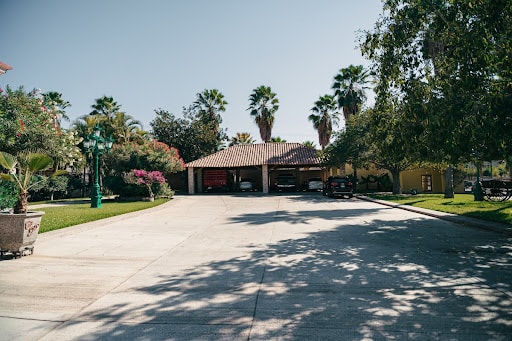
As we move deeper into 2026, homeowners are reimagining their living spaces with fresh perspectives on functionality, sustainability, and personal wellness. The renovation landscape has shifted dramatically from previous years, driven by evolving lifestyle needs and technological advancement. Understanding these emerging trends can help homeowners make informed decisions that enhance both property value and daily living quality.
Table of Contents
Outdoor Living Spaces Take Center Stage
The expansion of outdoor living areas continues to dominate renovation priorities, with homeowners investing heavily in creating comfortable, year-round exterior environments. According to recent industry data, outdoor renovation projects have increased by 34% compared to 2024, reflecting a sustained desire to maximize usable square footage beyond interior walls. Homeowners are transforming backyards into multifunctional retreats complete with outdoor kitchens, covered patios, and sophisticated entertainment zones.
Climate control solutions for outdoor spaces have become particularly popular, with many homeowners choosing to get an outside fan or install misting systems to extend the usability of patios and decks during warmer months. These additions allow families to enjoy their outdoor investments comfortably regardless of temperature fluctuations. Fire features, pergolas with retractable roofing, and weatherproof furniture are also seeing significant uptake as people seek to blur the boundaries between indoor and outdoor living.
Smart Home Integration Becomes Standard
Technology integration has evolved from a luxury feature to an expected component of modern renovations. Homeowners are increasingly incorporating smart systems during remodeling projects, with the smart home market projected to reach installations in over 68% of renovated properties by year’s end. These systems now encompass everything from automated climate control and lighting to security features and appliance management.
The appeal extends beyond convenience to encompass energy management and cost savings. Smart thermostats alone can reduce heating and cooling costs by approximately 15-20% annually, making them attractive investments during renovation projects. Voice-activated controls, integrated home monitoring systems, and app-based management platforms have become standard inclusions in kitchen and bathroom remodels, transforming how residents interact with their living spaces.
Sustainable Materials and Energy Efficiency
Environmental consciousness has moved from niche concern to mainstream priority in renovation planning. Approximately 73% of homeowners now consider sustainability a critical factor when selecting materials and systems for their projects. This shift has driven increased demand for reclaimed wood, recycled metal fixtures, low-VOC paints, and sustainably sourced materials that minimize environmental impact without compromising aesthetic appeal.
Energy efficiency upgrades represent some of the most valuable renovation investments. Installing energy-efficient windows can reduce heating and cooling costs by 25-30%, while updated insulation can decrease energy consumption by similar margins. Solar panel installations have grown by 41% in renovation projects compared to last year, driven by improved technology, decreasing costs, and attractive tax incentives that make renewable energy more accessible to average homeowners.
Multifunctional Spaces and Home Offices
The continued prevalence of hybrid work arrangements has cemented the home office as an essential component of modern residences. Renovation projects increasingly prioritize creating dedicated workspaces that support productivity while maintaining aesthetic harmony with the rest of the home. Designers report that approximately 58% of major renovations now include some form of dedicated workspace creation or enhancement.
Beyond traditional home offices, homeowners are embracing multifunctional room designs that adapt to changing needs throughout the day. Murphy beds, sliding partition walls, and convertible furniture allow single spaces to serve multiple purposes, maximizing functionality in homes where square footage comes at a premium. This flexibility has become particularly valuable in urban environments where space constraints demand creative solutions.
Wellness-Centered Bathrooms and Kitchens
Personal wellness has emerged as a driving force in bathroom and kitchen renovations. Spa-inspired bathrooms featuring steam showers, soaking tubs, heated floors, and ambient lighting systems have seen a 29% increase in popularity. These spaces are being reimagined as personal sanctuaries designed to promote relaxation and self-care rather than purely functional rooms.
Kitchen renovations similarly reflect wellness priorities, with homeowners investing in features that support healthier lifestyles. Dedicated zones for meal preparation, built-in water filtration systems, and pantry organizations that encourage nutritious eating habits are becoming standard requests. Air quality improvements, including advanced ventilation systems and air purifiers, address growing concerns about indoor environmental health.
Bold Color and Personalization
After years of neutral palettes dominating renovation aesthetics, homeowners are increasingly embracing bold colors and personalized design choices. Deep greens, rich blues, and warm terracotta tones are replacing the grays and whites that previously dominated. This shift reflects a broader desire for homes that express individual personality rather than conforming to generic resale appeal.
Customization extends beyond color to include unique architectural details, statement lighting fixtures, and artisanal finishes that create distinctive character. Homeowners are investing in spaces that reflect their values, interests, and lifestyles, recognizing that authentic personalization often enhances long-term satisfaction and can actually support property value by creating memorable, well-executed designs.
The renovation trends defining 2026 reflect fundamental shifts in how people view their homes—as multifunctional environments supporting work, wellness, sustainability, and personal expression. These investments in thoughtful improvements create spaces that adapt to evolving needs while enhancing daily living quality for years to come.