When planning a construction project, architects, builders, and homeowners always expect a flawless process void of miscalculations or errors. But planning complex building architecture from the ground up can be challenging even for the most experienced architects and builders. Thankfully, the introduction of 3D laser scanning (3DLS) technology has helped streamline the whole construction process.
Homeowners can now trust that their homes can be built in record time without compromising quality, thanks to 3DLS. Below, we’ll explore a few major benefits of this new construction technology so you can understand why you need it in your next construction project.
Table of Contents
Enhanced and Reliable Design
In construction, even the smallest measurement errors can throw an entire project off course, leading to misaligned work, wasted materials, and costly rework. These measurement errors are more common with traditional surveying methods than with newer technologies such as 3D laser scanning. Traditional surveying methods often fall short, especially when constructing multi-apartment complexes such as duplexes.
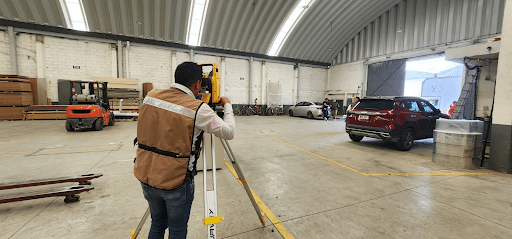
3DLS technology allows architects and builders to capture millions of precise data points in minutes. As a homeowner, you get highly reliable, detailed scan data that will contribute to a more robust design. A 3D laser scanner scans both the subject and everything else within a 30-meter radius, giving your builders and architects the context for making informed design decisions.
Some of the data collected on the subject becomes extremely useful when adjustments or realignments are needed. You can always choose local architects who use 3DLS solutions to further enhance your construction outcomes. For instance, choosing professional 3D laser scanning in Texas can improve the outcome of your construction project, as providers understand what to focus on to deliver precise, actionable documentation.
Faster and Cheaper Data Collection
Traditional methods of surveying and data collection, such as hand measurements and photography, can take days or weeks to complete. However, with 3DLS, the process can take just a few hours to document an entire building. This ensures a faster, more affordable, and even more accurate and reliable data collection process.
A 3DLS system can capture millions of data points per second, making it a more effective data-collection option when used efficiently. Once the data is collected, it is then processed into a single usable dataset, which can easily be accessed to speed up project timelines and reduce delays.
Additionally, with 3DLS, you don’t need to budget for multiple site visits, double-checking assignments, or making adjustments. This saves you a significant amount of money that can be redirected to other parts of the project.
Streamlined Construction Process
Once data is collected and the initial structural design is completed, the next step is to execute those design ideas to create a physical structure. The 3DLS technology enables a streamlined construction process in three major ways:
- It improves fabrication and layout: 3DLS can help create highly accurate layout plans for walls, foundations, and other building elements. Your home can be built with fewer errors and minimal rework.
- Effective coordination: During construction, the level of coordination between stakeholders determines how fast a project is executed. With 3DLS, stakeholders can easily share 3D models generated from scans, improving communication and coordination.
- Simple, virtual inspections: Project owners and construction managers don’t have to physically visit the site or meet in a conference room to discuss a design. A 3D render can be shared virtually and discussed with all stakeholders before it’s approved for the next step in the construction process. This allows for convenient, proactive problem-solving and, if needed, error correction.
Minimized Safety Risks
Since 3D scans can be easily accessed virtually and discussed among stakeholders, collaborations and coordination become easier and safer for everyone. Sometimes traveling to the site can become risky due to weather and other challenges. Instead of risking their safety, stakeholders can review existing 3D scans from anywhere in the world and avoid the physical risks encountered on site.
When contractors receive RFIs from other stakeholders, they don’t need to visit the site to verify physical measurements. An existing 3D render can save them the energy and stress, enabling them to arrange work remotely using the existing 3D models.
Efficiency in modern home construction is crucial for a successful, less costly project. If you’re building your dream home, ensure you plan for and execute it effectively every step of the process. Incorporate all necessary technological support, especially 3D laser scanning, to ensure a less-stressful construction process.