For property developers and homeowners in Australia’s competitive urban suburbs, maximising return on investment is the ultimate goal.
While basic cosmetic updates can provide a quick boost to a property’s street appeal, achieving top tier resale value requires a much more sophisticated approach.
Engaging with professional design services allows investors to unlock the hidden potential of a site, transforming standard blocks into highly sought-after real estate.
Whether dealing with narrow urban allotments or complex heritage overlays, finding Northcote best architects can help you navigate local council regulations while creating bespoke spaces that command premium market prices. Strategic architectural design is no longer just about aesthetics.
Instead, it serves as a highly calculated investment strategy that fundamentally changes how a property performs in a crowded housing market.
The current housing market places a premium on properties that offer both functional living and striking visual appeal.
Buyers are looking beyond the standard brick veneer, actively seeking out homes that feature innovative structural solutions. This shift in buyer preference means that those who invest in professional architectural guidance are perfectly positioned to capitalise on elevated property demands.
Table of Contents
Establishing a Solid Development Foundation
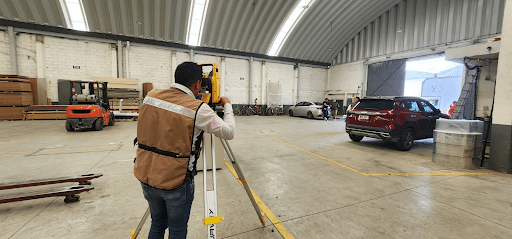
Before embarking on a high ROI development or luxury home upgrade, property owners must establish a comprehensive project baseline. Good architectural design cannot compensate for poor planning or financial mismanagement.
It is crucial to start the process by defining a realistic scope of work, understanding local zoning limitations, and securing the right approvals.
For instance, budgeting for a major renovation and navigating necessary permits are critical early steps that help prevent costly blowouts and keep your project on a strict timeline.
By mapping out these practical phases first, developers can ensure that the transition into the creative design phase is smooth, fully funded, and legally compliant. A well structured initial plan mitigates risk, setting the perfect stage for lucrative structural enhancements that will eventually attract high paying buyers.
The Financial Impact of Custom and Sustainable Design
Today’s property buyers are highly educated and increasingly willing to pay a premium for homes that offer long term efficiency, low running costs, and unique structural appeal.
Sustainable architecture delivers measurable capital gains that consistently exceed the initial design and construction costs. By prioritising eco-friendly materials and smart temperature regulation, developers can significantly boost a home’s final valuation.
Recent market data from Domain’s sustainability report reveals that energy-efficient, smartly designed homes sell for a national average premium of $118,000, representing a substantial uplift in overall value. Specific architectural choices, like optimising a north-facing orientation for passive heating and cooling, can add massive value to a property’s market price.
In Australia, where the Nationwide House Energy Rating Scheme dictates strict energy efficiency standards, properties that exceed these baselines are highly coveted.
These striking figures prove that investing in high quality, sustainable architecture directly correlates with enhanced property valuations. It shifts the perception of custom design from a luxury expense to an essential tool for serious property investors looking to maximise their financial returns.
Key Architectural Strategies for Maximising Value
To capture these premium resale prices, developers must implement specific design strategies that resonate deeply with modern buyers. An experienced architect will focus on several core areas to elevate a property from standard to truly exceptional.
- Spatial Flow and Floor Plan Optimisation: Redesigning cramped, outdated layouts to create open, multi-functional living spaces drastically increases buyer appeal. Modern families look for seamless transitions between indoor living areas and outdoor entertainment zones.
- Natural Light Integration: Using strategically placed skylights, oversized windows, and optimal solar orientation improves energy efficiency and makes indoor spaces feel significantly larger and more inviting.
- Navigating Heritage Overlays: In older urban suburbs, seamlessly blending modern, functional extensions with preserved historical facades creates a unique, highly sought-after aesthetic. This contrast between old and new is a major selling point in the current market.
- Premium Material Selection: Selecting durable, low maintenance materials ensures the property retains its luxury feel for years to come. This reduces future upkeep costs for the buyer, adding another layer of perceived value to the home.
By integrating these elements, a property moves beyond basic shelter and becomes a premium lifestyle product.
Conclusion
In the fast-paced world of urban real estate development, relying solely on standard building templates is a missed opportunity. Strategic architectural design transforms ordinary blocks into highly desirable, premium properties that stand out in competitive Australian suburbs.
By starting with a solid planning foundation and leveraging the expertise of design professionals, property owners can create sustainable, beautiful homes that dominate local market listings. Ultimately, investing in custom architecture is one of the most reliable and rewarding pathways to achieving a superior return on investment in the property sector.