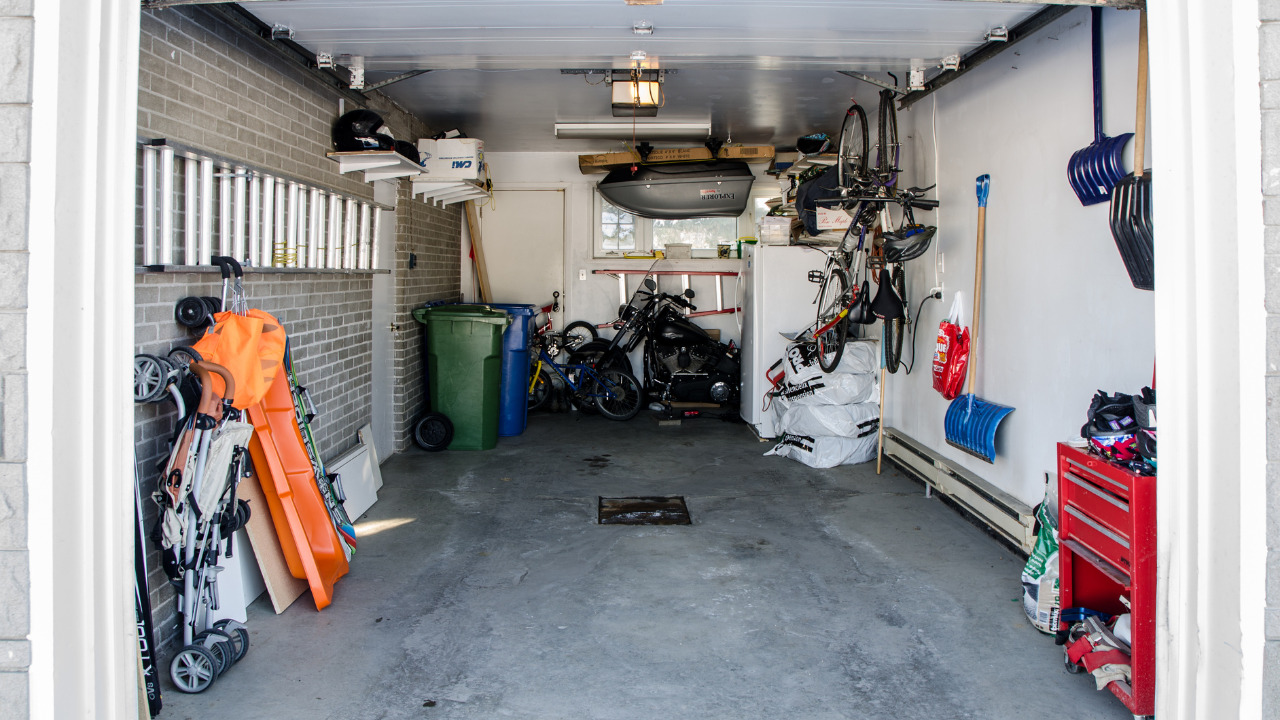
Building a new garage is a significant home improvement decision. Whether you need extra storage, a secure place for vehicles, a workshop, or an accessory dwelling unit, choosing the right construction company can determine the quality, cost, and long-term value of your investment. Many homeowners begin their search online, typing phrases like garage contractors near me or looking for a qualified garage builder, but comparing companies requires more than reading reviews and requesting a quick quote.
This guide provides a comprehensive and objective framework to help you evaluate local construction professionals, understand the trade-offs involved, and make an informed decision that balances quality, budget, timeline, and long-term impact.
Table of Contents
Understanding the Scope of Your Garage Project
Before comparing companies, clarify what you want to build. The scope of your project influences the type of contractor you need.
A simple one-car detached structure requires different expertise than a multi-car garage with living space above it. Projects may involve:
- Site preparation and foundation work
- Framing and structural engineering
- Roofing and exterior finishes
- Electrical and plumbing installations
- HVAC integration
- Permitting and inspections
If your project includes complex features such as living quarters or advanced structural modifications, you may benefit from working with a specialized garage construction company rather than a general remodeling firm.
Defining your scope also helps you compare bids fairly. Without clear specifications, estimates can vary widely and make comparison difficult.
Licensing, Insurance, and Credentials
One of the most important comparison factors is legal and professional compliance.
Reputable garage contractors should hold appropriate state and local licenses, carry general liability insurance, and provide workers’ compensation coverage. This protects you from financial risk in case of accidents, property damage, or disputes.
Trade-off to consider:
Some smaller local garage contractors may offer lower pricing but operate with limited administrative structure. While not inherently risky, you must verify that they meet all legal requirements. Lower upfront costs should never outweigh proper licensing and insurance.
Ask for:
- License numbers and verification
- Proof of insurance
- Bonding information if required
- References from recent projects
Experience and Specialization
Experience matters, but specialization matters more.
A company that regularly builds garages understands structural loads, slab requirements, drainage planning, and code compliance specific to detached or attached garage construction. In contrast, a general home improvement contractor may have broader but less focused experience.
If you are comparing multiple companies, ask:
- How many garages have you built in the past 2–3 years?
- Do you handle both attached and detached structures?
- Have you completed projects similar to mine?
Trade-off to consider:
A highly specialized firm may charge more than a general contractor. However, their familiarity with garage-specific design and engineering can reduce errors, rework, and delays—potentially saving money in the long run.
Design Capabilities and Customization
Some homeowners want a simple, functional structure. Others want architectural harmony with the existing home, custom storage solutions, or future-ready features like EV charging.
Companies vary in their design services:
- Basic plan-based construction
- Semi-custom designs
- Fully custom architectural planning
If you need a highly tailored solution, look for garage builders near me who provide in-house design services or collaborate with architects and engineers.
Trade-off to consider:
Greater customization increases costs and extends timelines. However, it may significantly improve curb appeal, property value, and usability.
Think long term. A well-designed garage that complements your home’s style can enhance resale value and neighborhood aesthetics.
Cost Transparency and Estimates
Price is often the first comparison metric—but it should not be the only one.
When reviewing quotes, examine:
- Detailed material breakdowns
- Labor costs
- Permit fees
- Site preparation expenses
- Contingency allowances
- Payment schedules
Be cautious of unusually low bids. These may exclude critical elements such as grading, electrical wiring, insulation, or finishing details.
Trade-off to consider:
A higher quote from an established garage construction company may include project management, quality materials, and warranties. A lower quote might reduce upfront expenses but increase the risk of cost overruns later.
Ask whether the estimate is fixed-price or subject to change. Clarify how change orders are handled.
Timeline and Project Management
Construction timelines vary depending on complexity, weather, permitting, and contractor workload.
Ask each company:
- What is the projected timeline?
- Who will supervise the site daily?
- How are delays communicated?
- Do you use subcontractors, and how are they managed?
Trade-off to consider:
Larger firms may have structured project management systems but longer scheduling backlogs. Smaller local garage contractors might start sooner but rely on limited crews.
Balancing speed and reliability is crucial. Rushing construction can compromise quality, while excessive delays may disrupt your household routine.
Permits, Zoning, and Code Compliance
Garage construction is subject to local building codes, zoning laws, and setback requirements. In some neighborhoods, homeowners’ association (HOA) guidelines add additional restrictions.
Experienced garage contractors should manage:
- Permit applications
- Structural inspections
- Utility approvals
- Final occupancy clearance
Trade-off to consider:
Handling permits independently might reduce contractor fees, but it increases administrative responsibility and risk. Errors can cause delays or fines.
Choosing professionals who understand local regulations ensures smoother approval processes and reduces compliance issues.
Material Quality and Construction Standards
Not all garages are built to the same standards. Differences may include:
- Concrete slab thickness
- Framing lumber grade
- Roofing materials
- Insulation levels
- Door and hardware quality
Higher-quality materials increase upfront costs but improve durability and energy efficiency.
Trade-off to consider:
Opting for budget materials lowers immediate expenses but may require repairs or upgrades sooner. Investing in durable materials improves long-term performance and resale value.
Ask contractors to explain why they recommend certain materials and how those choices impact longevity.
Warranty and After-Sales Support
Construction warranties vary significantly.
Some companies offer:
- 1-year workmanship warranties
- Extended structural guarantees
- Manufacturer warranties on doors and materials
Understand what is covered and for how long.
Trade-off to consider:
A slightly higher price that includes robust warranty coverage may provide greater peace of mind.
Reliable after-sales support demonstrates confidence in workmanship and long-term accountability.
Reputation and Reviews
Online reviews provide insights but should not be your only evaluation method.
When comparing companies, look for:
- Consistent positive feedback
- Before-and-after project galleries
- Testimonials from local homeowners
- Professional affiliations
Be cautious of:
- No reviews at all
- Extremely polarized ratings
- Generic testimonials without detail
Speaking directly with past clients can provide valuable perspective on communication, cleanliness, punctuality, and professionalism.
Communication and Transparency
Effective communication is often overlooked but critically important.
During your initial consultation, evaluate:
- Responsiveness
- Clarity in answering questions
- Willingness to provide documentation
- Professionalism in written proposals
Trade-off to consider:
Some technically skilled contractors may lack strong communication systems. However, unclear communication can lead to misunderstandings, change orders, and dissatisfaction.
Choose a company that explains processes clearly and sets realistic expectations.
Evaluating Value vs. Price
Many homeowners focus primarily on cost, but value encompasses more than price.
True value includes:
- Structural integrity
- Long-term durability
- Energy efficiency
- Design harmony
- Warranty protection
- Reduced maintenance
A slightly higher investment in experienced garage contractors may reduce long-term expenses and enhance property value.
Considering Long-Term Impact
When comparing companies, consider the broader impact of your decision.
Property Value
A professionally built garage can increase resale appeal, particularly in suburban neighborhoods where covered parking and storage are desirable.
Functionality
A thoughtfully designed garage improves daily convenience and storage efficiency.
Energy Efficiency
Insulated walls, proper ventilation, and quality doors affect heating and cooling costs.
Future Flexibility
Planning for future upgrades—such as converting space into a workshop or living area—adds versatility.
Balancing these long-term benefits against immediate costs helps you make a strategic investment rather than a short-term decision.
Balancing Trade-Offs in Decision-Making
Comparing local construction companies involves balancing multiple factors:
- Cost vs. quality
- Speed vs. thoroughness
- Customization vs. budget control
- Specialized expertise vs. general flexibility
- Administrative simplicity vs. hands-on involvement
There is rarely a perfect choice. Instead, the best decision aligns with your priorities, risk tolerance, and long-term goals.
For example:
- If resale value is your priority, architectural integration and material quality matter more.
- If functionality is key, structural strength and layout efficiency take precedence.
- If budget is tight, phased construction may be an option.
Understanding these trade-offs ensures you choose a partner who aligns with your expectations.
Final Thoughts
Selecting the right construction company for your new garage requires careful comparison, thoughtful questions, and a clear understanding of your goals. While searching online for qualified professionals is a common starting point, evaluating experience, licensing, cost transparency, communication, and long-term value is essential.
A well-built garage is more than an additional structure—it is an investment in functionality, property value, and daily convenience. By taking the time to compare options objectively and weigh the trade-offs involved, you can move forward with confidence and select a construction partner who delivers quality, reliability, and lasting results.