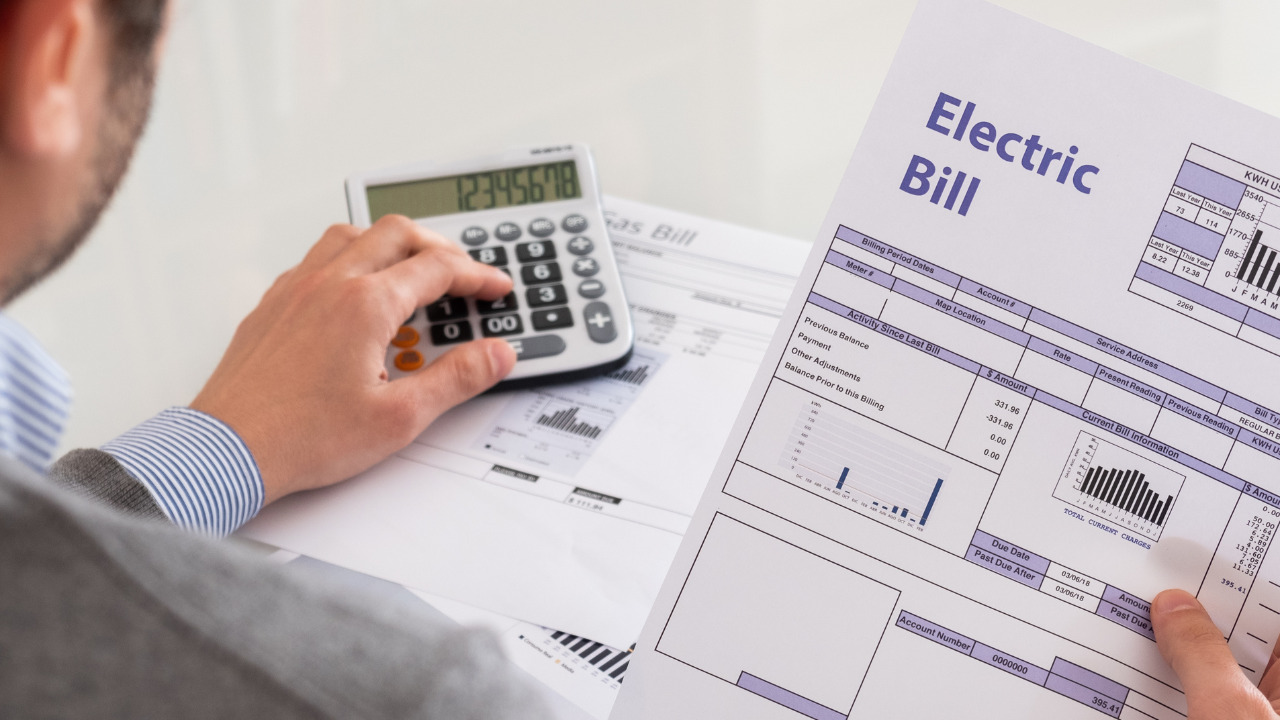
Cooling costs typically make up the biggest jump in a household’s summer energy bill. The good news is that a few smart habits — and some attention to your equipment — can meaningfully bring that number down without turning your home into a sauna.
Table of Contents
Adjust Your Thermostat Strategically
Every degree you raise your thermostat while you’re away or asleep can trim a noticeable percentage off your cooling costs. A programmable or smart thermostat makes this effortless by adjusting automatically throughout the day.
Keep the Sun Out
Direct sunlight through windows can raise indoor temperatures significantly. Closing blinds or curtains during peak afternoon hours reduces the load on your AC and helps it run less often.
Use Fans to Supplement Cooling
Ceiling and portable fans don’t lower the temperature, but they make a room feel several degrees cooler by keeping air moving — which means you can raise the thermostat a bit and still stay comfortable.
Seal Air Leaks
Gaps around windows, doors, and ductwork let cool air escape and warm air in. Weatherstripping and duct sealing are inexpensive fixes that can noticeably improve efficiency.
Change Filters Regularly
A dirty filter forces your system to work harder to push air through, driving up energy use. Replacing it every one to three months is one of the simplest ways to keep efficiency up.
Schedule Regular Maintenance
An AC unit that hasn’t been serviced in a while often runs less efficiently than one that has. Annual tune-ups catch small issues — like low refrigerant or dirty coils — before they turn into bigger energy drains or costly breakdowns.
Check Your Ductwork
Leaky or poorly insulated ducts can waste a significant portion of the cool air your system produces before it ever reaches a room. If certain rooms feel warmer than others despite the thermostat setting, that’s often a sign air is escaping somewhere along the way. Having ductwork inspected periodically can uncover losses that aren’t obvious from inside the house.
Time Your Appliance Use
Ovens, dryers, and other heat-generating appliances add warmth to your home, which makes your AC work harder to compensate. Running these in the early morning or evening, when outdoor temperatures are lower, can take some of the load off your cooling system during the hottest part of the day.
Add Shade Outdoors
If your outdoor condenser unit sits in direct sunlight all day, it has to work harder to dissipate heat. Planting shrubs or installing a shade structure nearby — while still leaving enough clearance for proper airflow — can modestly improve its efficiency over the course of a summer.
Don’t Overlook Insulation
Attic and wall insulation play a bigger role in cooling costs than many homeowners realize. A well-insulated home holds onto cool air longer, meaning your AC cycles less frequently to maintain the same temperature. If your home is older, it may be worth having insulation levels checked.
When Your System Needs More Than a Quick Fix
If you’ve tried the basics and your bills are still climbing, the issue may be with the system itself rather than your habits. It’s worth having a professional inspect the unit for efficiency losses or developing problems. You can learn more about AC repair and what a proper inspection involves before summer temperatures peak.
Small changes add up, but a well-maintained system is still the foundation of an efficient, comfortable home.Cooling costs typically make up the biggest jump in a household’s summer energy bill. The good news is that a few smart habits — and some attention to your equipment — can meaningfully bring that number down without turning your home into a sauna.
Adjust Your Thermostat Strategically
Every degree you raise your thermostat while you’re away or asleep can trim a noticeable percentage off your cooling costs. A programmable or smart thermostat makes this effortless by adjusting automatically throughout the day.
Keep the Sun Out
Direct sunlight through windows can raise indoor temperatures significantly. Closing blinds or curtains during peak afternoon hours reduces the load on your AC and helps it run less often.
Use Fans to Supplement Cooling
Ceiling and portable fans don’t lower the temperature, but they make a room feel several degrees cooler by keeping air moving — which means you can raise the thermostat a bit and still stay comfortable.
Seal Air Leaks
Gaps around windows, doors, and ductwork let cool air escape and warm air in. Weatherstripping and duct sealing are inexpensive fixes that can noticeably improve efficiency.
Change Filters Regularly
A dirty filter forces your system to work harder to push air through, driving up energy use. Replacing it every one to three months is one of the simplest ways to keep efficiency up.
Schedule Regular Maintenance
An AC unit that hasn’t been serviced in a while often runs less efficiently than one that has. Annual tune-ups catch small issues — like low refrigerant or dirty coils — before they turn into bigger energy drains or costly breakdowns.
Check Your Ductwork
Leaky or poorly insulated ducts can waste a significant portion of the cool air your system produces before it ever reaches a room. If certain rooms feel warmer than others despite the thermostat setting, that’s often a sign air is escaping somewhere along the way. Having ductwork inspected periodically can uncover losses that aren’t obvious from inside the house.
Time Your Appliance Use
Ovens, dryers, and other heat-generating appliances add warmth to your home, which makes your AC work harder to compensate. Running these in the early morning or evening, when outdoor temperatures are lower, can take some of the load off your cooling system during the hottest part of the day.
Add Shade Outdoors
If your outdoor condenser unit sits in direct sunlight all day, it has to work harder to dissipate heat. Planting shrubs or installing a shade structure nearby — while still leaving enough clearance for proper airflow — can modestly improve its efficiency over the course of a summer.
Don’t Overlook Insulation
Attic and wall insulation play a bigger role in cooling costs than many homeowners realize. A well-insulated home holds onto cool air longer, meaning your AC cycles less frequently to maintain the same temperature. If your home is older, it may be worth having insulation levels checked.
When Your System Needs More Than a Quick Fix
If you’ve tried the basics and your bills are still climbing, the issue may be with the system itself rather than your habits. It’s worth having a professional inspect the unit for efficiency losses or developing problems. You can learn more about AC repair and what a proper inspection involves before summer temperatures peak.
Small changes add up, but a well-maintained system is still the foundation of an efficient, comfortable home.