Planning a home remodel can feel exciting at first. New cabinets, fresh flooring, upgraded lighting, and improved layouts promise a better living space. Many homeowners imagine the final result while overlooking how disruptive construction work can become. Dust, noise, scattered tools, and blocked rooms often turn everyday routines into stressful challenges.
Careful planning can reduce that chaos. A remodel does not need to take over the entire house or disrupt daily life for months. With the right preparation, homeowners can organize projects so living spaces stay usable and stress levels manageable. Simple strategies like phased construction, clear timelines, and organized work zones help keep a remodel under control. When homeowners approach renovation with structure and clear expectations, construction becomes far easier to handle. A thoughtful plan allows work to progress efficiently while protecting the home’s comfort.
Table of Contents
1. Start With a Clear Remodeling Plan
Every successful remodel begins with a detailed plan. Many renovation problems happen when homeowners start work without fully thinking through design choices, materials, and project timing. A clear plan helps prevent delays, unexpected costs, and last-minute decisions that slow down construction.
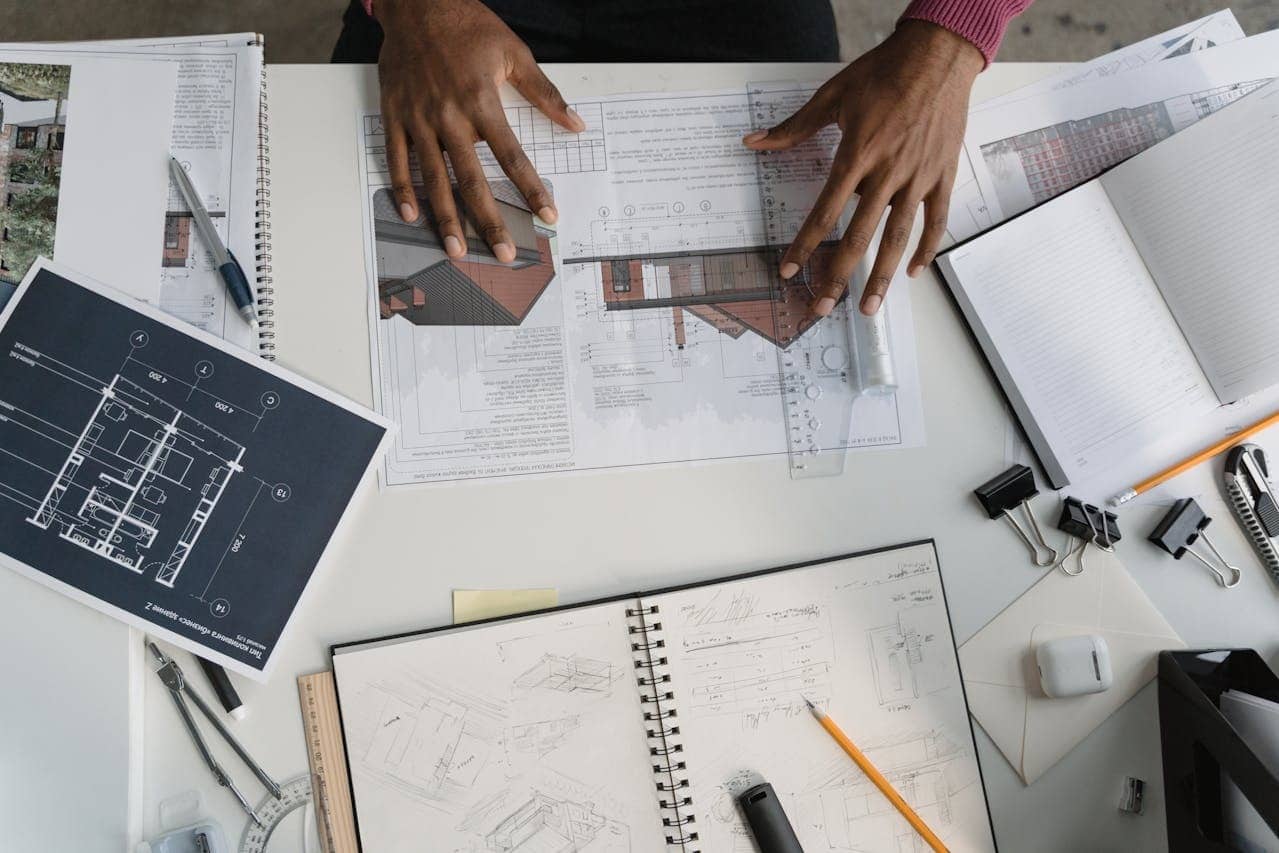
Start by listing the goals of the renovation. Decide which rooms need changes, what improvements matter most, and how those upgrades will improve everyday living. Sketching layout ideas or collecting design inspiration can help visualize the finished space.
It also helps to set a realistic budget early in the process. Renovations often involve more than materials and labor. Permits, inspections, and minor repairs discovered during construction can influence overall costs. When homeowners understand their priorities and limits, planning becomes far smoother and the remodel stays organized.
2. Work With Professionals Who Respect Your Living Space
Choosing experienced professionals plays a major role in keeping a remodel organized. Contractors who plan carefully and communicate clearly can complete projects with far less disruption to daily life.
Reliable suppliers and remodeling experts understand how to schedule deliveries, coordinate trades, and organize work zones inside a home. Companies such as DS Sales Associates help homeowners choose products and solutions that simplify installation while supporting a smooth renovation process.
Good professionals also keep homeowners informed throughout the project. Regular updates about timelines, deliveries, and progress prevent surprises. This type of coordination helps construction move forward while keeping living areas clean and manageable.
3. Break Large Projects Into Smaller Phases
Large renovations often create confusion when too many tasks happen at once. Walls may come down in several rooms while flooring, plumbing, and electrical work all begin simultaneously. This type of schedule can quickly make the home feel like a full construction site.
Dividing the project into phases keeps work manageable. One area of the home can be remodeled while other spaces remain usable. For example, a kitchen renovation may happen first, followed later by bathrooms or living areas. Many homeowners also choose to improve their outdoor living space during remodeling.
Patios, decks, or backyard seating areas can provide a relaxing place to spend time when indoor rooms are temporarily under construction. This allows families to maintain normal routines while interior work progresses. Phased renovations also make planning adjustments easier. Small design changes or material updates can be handled more smoothly when work progresses step by step.
4. Set Clear Work Zones Inside the House
Construction becomes overwhelming when tools and materials spread throughout the home. Creating clear work zones helps contain the renovation area and protects other living spaces from disruption.
Contractors often use temporary barriers, plastic sheeting, or protective coverings to separate construction areas. These barriers limit dust and prevent materials from entering rooms that remain in use. Simple solutions, such as floor protection, also reduce damage from heavy equipment and constant movement.
Homeowners can also help maintain order by temporarily relocating fragile items, decorations, or furniture away from work zones. Keeping only essential furniture nearby makes it easier for contractors to move efficiently while maintaining a safer workspace.
5. Protect Daily Routines During Renovation
Remodeling becomes stressful when everyday routines suddenly stop working. Cooking, working from home, relaxing, and spending time with family should still feel comfortable even while construction continues. Planning temporary alternatives can make a major difference. A small backup kitchen setup using portable appliances can help during kitchen upgrades. Setting up a quiet workspace in another room helps maintain productivity when construction noise increases.
Families may also adjust schedules slightly to work around louder renovation tasks. Coordinating work hours with contractors allows homeowners to avoid peak construction times whenever possible. Maintaining normal routines keeps the renovation from taking over daily life. When homeowners still feel comfortable in their space, the remodeling process becomes far less overwhelming.
6. Plan Material Deliveries Carefully
Material deliveries can quickly turn a home into a cluttered storage area. Cabinets, appliances, flooring, and fixtures often arrive earlier than installation dates, filling rooms with large boxes and packaging. A well-planned delivery schedule prevents this issue. Contractors and suppliers can coordinate deliveries closer to installation time so materials move directly into the work area rather than sitting around the house.
Storage planning also helps reduce clutter. Garages, temporary storage units, or designated areas outside the main living space can hold materials until needed. Organized delivery timing keeps walkways clear and prevents construction materials from interfering with daily movement around the home.
7. Expect Small Surprises and Stay Flexible
Even well-planned renovations encounter small surprises. Hidden plumbing issues, outdated wiring, or structural adjustments may appear once work begins. These discoveries can influence timelines and require minor adjustments to the plan. Remaining flexible helps reduce stress when these situations arise.
Homeowners who expect occasional changes are better prepared to handle them calmly. Contractors usually present practical solutions that keep the project moving forward. Open communication also helps resolve issues quickly. Discussing changes early prevents delays and helps everyone stay focused on completing the renovation efficiently.
Smart Planning Makes Remodeling More Comfortable
A home remodel does not need to transform daily life into constant disruption. With thoughtful planning, clear communication, and organized work zones, construction can remain manageable while improvements take shape. Starting with a detailed plan, working with reliable professionals, and dividing large projects into phases all help control the pace of renovation. Protecting daily routines and scheduling material deliveries wisely also reduces clutter and stress.
When homeowners approach remodeling with preparation and patience, the process becomes far more comfortable. Instead of living inside a chaotic construction site, families can watch their home gradually transform into a space that feels fresh, functional, and ready for years of use.
Frequently Asked Questions
Q1: How can I minimize disruption during a home remodel?
A: Minimizing disruption during a home remodel begins with careful planning. Strategies such as establishing clear work zones, breaking large projects into smaller phases, protecting daily routines, and coordinating material deliveries can significantly reduce chaos. A detailed plan, reliable professionals, and a flexible approach are key to maintaining a usable living space and manageable stress levels throughout the renovation.
Q2: What is the most crucial first step for a less disruptive remodel?
A: The most crucial first step is to create a detailed remodeling plan. This involves clearly defining your renovation goals, making design choices, selecting materials, and setting a realistic budget. A comprehensive plan helps prevent unexpected costs, delays, and last-minute decisions that can slow down construction and increase disruption.
Q3: What role do suppliers play in a remodeling project?
A: Suppliers help homeowners choose materials that fit the design and installation plan. Reliable companies such as DS Sales Associates guide homeowners in selecting cabinets, hardware, and other products that make the renovation process smoother.
Q4: How do professional contractors contribute to a smoother renovation process?
A: Experienced professionals play a vital role in keeping a remodel organized and less disruptive. They effectively schedule deliveries, coordinate various trades, and organize work zones. Good contractors also maintain clear communication, providing regular updates on timelines and progress, which helps manage expectations and keeps living areas clean and manageable.
Q5: How can I prevent my entire home from becoming a construction site during a large renovation?
A: To prevent your entire home from becoming a construction site, consider breaking large projects into smaller, manageable phases. This allows one area of the home to be renovated while others remain usable. Additionally, setting up clear work zones with temporary barriers, plastic sheeting, and protective coverings helps contain the construction area and protect untouched living spaces from dust and debris.
Q6: What should I do if unexpected issues arise during my remodel?
A: It is wise to expect small surprises and remain flexible, as even well-planned renovations can uncover hidden issues, such as plumbing problems or outdated wiring. Open communication with your contractor is essential for discussing these discoveries and finding practical solutions quickly. Approaching these situations calmly and with flexibility helps keep the project moving forward efficiently.