Baton Rouge’s diverse neighborhoods tell a story of architectural evolution spanning nearly two centuries. From the antebellum mansions of the Garden District to the contemporary homes of Shenandoah, each area presents unique roofing characteristics that reflect its history, climate adaptations, and aesthetic values. Understanding these neighborhood-specific roofing styles helps homeowners make informed decisions about maintenance, repairs, and replacements.
Table of Contents
The Garden District: Antebellum Elegance
The Garden District stands as Baton Rouge’s most prestigious historic neighborhood, where live oak canopies frame streets lined with Greek Revival, Victorian, and Colonial Revival mansions. These architectural treasures feature roofing systems that are as much about aesthetics as protection.
Original slate roofing graces many Garden District homes, with Vermont slate in various colors creating distinctive patterns. The weight of slate roofing, often exceeding 1,000 pounds per square, required robust structural framing that contributes to these homes’ remarkable longevity. When slate repairs are needed, finding matching material requires working with specialty suppliers who understand historic preservation requirements.
Metal roofing, particularly standing seam copper, appears on many Garden District homes. These systems develop beautiful patinas over time, transitioning from bright copper to the characteristic green verdigris that complements the neighborhood’s historic character. Copper’s durability, often exceeding 100 years, makes it a practical choice despite its premium cost.
The complex rooflines of Garden District homes create numerous transition points requiring expert flashing work. Dormers, turrets, and multiple roof planes demand skilled craftsmanship to maintain weathertight integrity while preserving architectural authenticity. Working with a roofing contractor in Baton Rouge who understands historic preservation is essential for these properties.
Mid City: Craftsman and Bungalow Revival
Mid City has emerged as one of Baton Rouge’s most dynamic neighborhoods, where early twentieth-century Craftsman bungalows stand alongside thoughtfully designed new construction. The area’s roofing reflects this blend of historic character and contemporary living.
Original Craftsman homes typically featured wood shingle or early asphalt shingle roofing. Today, many homeowners choose architectural shingles that replicate the dimensional appearance of wood while providing superior durability. Color selections often emphasize earth tones that complement the neighborhood’s tree-lined streets.
The low-pitched roofs common in Craftsman architecture require careful attention to drainage and waterproofing. Flat or nearly flat sections demand quality underlayment and precise flashing details to prevent leaks. Modern synthetic underlayment products offer enhanced protection compared to traditional felt paper.
New construction in Mid City often incorporates design elements that reference the neighborhood’s architectural heritage. Metal roofing in dark colors, standing seam profiles, and careful attention to proportion and scale help new homes fit comfortably among their historic neighbors.
Southdowns: Mid-Century Modern Statements
The Southdowns neighborhood showcases Baton Rouge’s mid-century architectural heritage, with ranch-style homes and contemporary designs from the 1950s and 1960s. These homes feature roofing systems that reflect the era’s emphasis on horizontal lines and integration with natural surroundings.
Low-slope roofs are common in Southdowns, presenting unique challenges for water management. Modified bitumen, TPO, and standing seam metal are popular choices for these applications, providing reliable waterproofing while maintaining the clean lines that define mid-century aesthetics.
Butterfly roofs, with their distinctive inverted V-shape, appear on some contemporary homes in the area. These dramatic designs require expert engineering and installation to manage water flow effectively. Internal gutters and scuppers must be carefully designed and maintained to prevent overflow and water intrusion.
The mature tree canopy in Southdowns creates additional considerations for roofing. Heavy leaf fall requires gutter systems designed for easy cleaning, while shade patterns affect moss and algae growth on roofing surfaces. Regular maintenance addresses these neighborhood-specific challenges.
Shenandoah: Contemporary Suburban Living
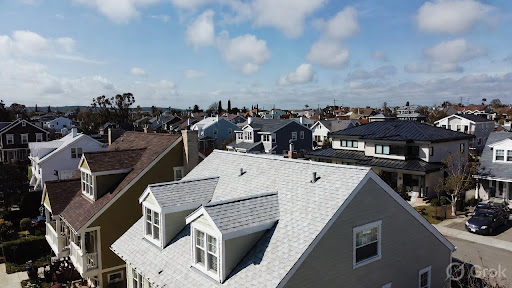
Shenandoah represents Baton Rouge’s suburban expansion, with homes built primarily from the 1970s through the 1990s. These neighborhoods feature the architectural styles and roofing systems common to suburban development across the South.
Traditional three-tab asphalt shingles dominate Shenandoah’s roofing landscape. These economical products provided adequate protection when new, but many are reaching the end of their service life. Homeowners are increasingly upgrading to architectural shingles that offer enhanced durability and aesthetic appeal.
Hip roofs with moderate pitches are common in Shenandoah, providing good water-shedding capability and reasonable wind resistance. The uniformity of these rooflines creates opportunities for neighborhood-wide improvements when multiple homeowners coordinate replacement projects.
Energy efficiency has become a priority for many Shenandoah residents. Cool roofing products that reflect solar radiation help reduce cooling costs during Baton Rouge’s sweltering summers. Proper attic ventilation, often inadequate in original construction, can be upgraded during roof replacement.
Downtown: Urban Density and Historic Adaptation
Baton Rouge’s downtown area presents unique roofing challenges associated with urban density and historic preservation. From converted commercial buildings to historic townhouses, downtown roofing requires creative solutions that respect architectural context while meeting modern performance standards.
Flat roofing systems are common on downtown buildings, ranging from traditional built-up roofing to modern single-ply membranes. These systems must manage water effectively in an environment where drainage options may be limited and access for maintenance is challenging.
Historic downtown buildings may feature ornamental metal cornices, parapet walls, and other architectural details that require specialized care. Preserving these elements while ensuring waterproof performance demands skilled craftsmanship and appropriate material selection.
Green roofing systems have gained attention for downtown applications, providing environmental benefits and creating usable outdoor space. While requiring significant structural capacity and ongoing maintenance, green roofs offer unique advantages in urban environments.
Making the Right Choice for Your Neighborhood
Selecting appropriate roofing for your Baton Rouge home requires consideration of neighborhood character, architectural style, and practical performance requirements. What works in Shenandoah may be inappropriate for the Garden District, and vice versa.
Consult with local professionals who specialize in roofing Baton Rouge homeowners trust for neighborhood-specific expertise. They can recommend products and installation approaches that respect your home’s architectural context while providing the protection your family needs. Their knowledge of local conditions, from tree coverage patterns to prevailing wind directions, helps ensure the roofing solution fits both the property and the neighborhood.
Consider the long-term implications of roofing choices. A roof that looks appropriate today should continue to complement your home as it ages. Quality materials and proper installation ensure that your investment enhances your property for decades to come.
Baton Rouge’s neighborhoods each contribute to the city’s rich architectural tapestry. By making thoughtful roofing Baton Rouge decisions, homeowners help preserve this heritage while protecting their most significant investment. Whether you live in a Garden District mansion or a Shenandoah subdivision, your roof plays a crucial role in defining your home’s character and ensuring its longevity.