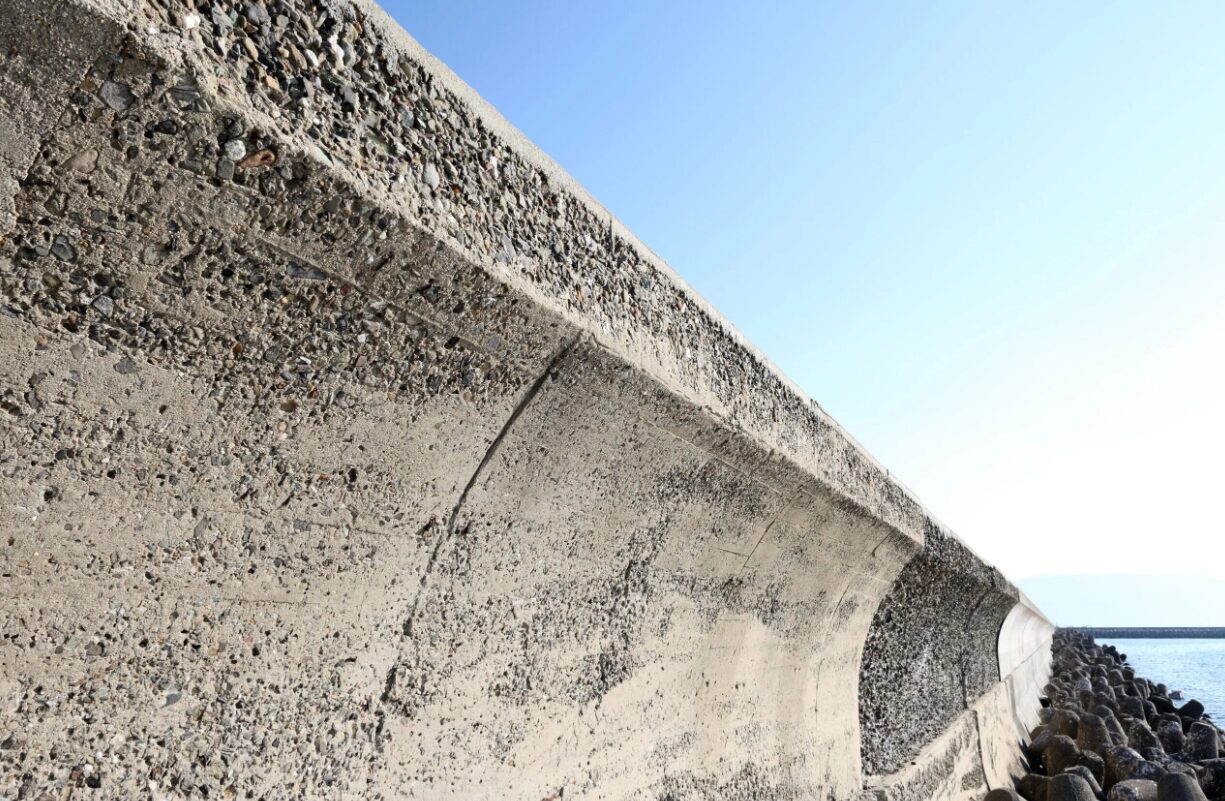
Seawalls serve as critical infrastructure protecting waterfront properties from erosion, wave action, and flooding. However, these protective barriers face constant assault from natural elements and require regular maintenance and timely repairs. Understanding when to schedule seawall repairs can significantly impact project success, cost-effectiveness, and the longevity of the repair work itself.
Table of Contents
Understanding Weather Patterns and Their Impact
The timing of seawall repairs depends heavily on regional climate patterns and seasonal weather conditions. Coastal areas experience distinct seasonal variations that directly affect construction activities and material performance. Temperature fluctuations, precipitation levels, and storm frequency all play crucial roles in determining the optimal repair window.
In many coastal regions, winter months bring increased storm activity and higher wave energy. These conditions make repairs more challenging and potentially dangerous for construction crews. Additionally, colder temperatures can affect the curing process of concrete and other materials commonly used in seawall construction and repair. According to engineering studies, concrete requires temperatures above 50 degrees Fahrenheit for proper curing, making winter repairs in northern climates problematic.
Conversely, summer months often provide more stable weather conditions but bring their own challenges. Extreme heat can cause rapid evaporation of moisture from concrete, potentially leading to cracking and reduced structural integrity. High temperatures also make working conditions more difficult for repair crews, potentially slowing progress and increasing labor costs.
Regional Climate Considerations
Different geographic locations require unique seasonal planning approaches. Property owners along the Gulf Coast face different considerations than those on the Atlantic seaboard or Pacific coast. Hurricane season, which officially runs from June through November in the Atlantic basin, represents a particularly critical period for planning purposes.
According to Florida Seawall Solutions, that deals in commercial seawall repair in Florida, “scheduling major projects during the dry season, typically from late fall through early spring. This period offers more predictable weather patterns and lower storm probability, allowing for uninterrupted work schedules and better material performance.”
Research from the National Oceanic and Atmospheric Administration indicates that approximately 97 percent of major hurricanes in the Atlantic occur between August and October. This concentrated risk period makes spring and early summer increasingly attractive for completing seawall repairs before the peak storm season arrives.
Tidal and Water Level Variations
Beyond weather patterns, seasonal water level changes significantly impact seawall repair scheduling. Many coastal areas experience seasonal variations in water levels due to factors including thermal expansion, wind patterns, and freshwater runoff. These fluctuations affect access to damaged sections and the feasibility of certain repair techniques.
Lower water levels during certain seasons can provide better access to underwater damage and allow for more thorough inspections. This access enables contractors to identify problems that might remain hidden during high water periods. Some regions experience water level variations of several feet between seasons, dramatically changing the working environment for repair crews.
Spring often brings increased freshwater runoff from snowmelt and rain, raising water levels and potentially complicating repairs. Fall typically sees more stable water conditions in many regions, making it an ideal time for projects requiring extended underwater work or dewatering operations.
Material Availability and Cost Fluctuations
Seasonal demand patterns affect both material availability and pricing. Construction activity generally increases during favorable weather months, creating higher demand for materials and potentially longer lead times for specialized components. Property owners who plan repairs during off-peak seasons may benefit from better material availability and more competitive pricing.
Industry data suggests that construction material costs can fluctuate by 15 to 20 percent seasonally in some markets. Scheduling repairs during shoulder seasons, when demand is moderate but weather remains cooperative, often provides the best balance of cost savings and working conditions.
Planning for Permit Processes
Environmental regulations often impose seasonal restrictions on coastal construction activities to protect marine life during critical periods. Many jurisdictions prohibit or restrict seawall work during fish spawning seasons or sea turtle nesting periods. These windows vary by location but commonly affect summer and early fall schedules in many coastal areas.
Permit processing times also vary seasonally, with municipal offices often experiencing backlogs during peak construction seasons. Property owners should account for potentially longer approval periods when planning spring or summer projects. Starting the permitting process several months in advance helps ensure work can proceed during the desired timeframe.
Optimal Timing Strategies
The ideal repair season balances multiple factors including weather stability, material performance requirements, environmental restrictions, and project urgency. For non-emergency repairs, most coastal engineers recommend completing work during the months offering the most predictable weather conditions while avoiding peak storm seasons.
Property owners should conduct seawall inspections during calm weather periods when damage is most visible and accessible. This proactive approach allows for repair planning during optimal seasons rather than emergency responses during unfavorable conditions. Regular inspections, ideally twice annually, help identify deterioration before it becomes critical.
Ultimately, successful seawall repair timing requires understanding local conditions, consulting with experienced contractors, and maintaining flexibility to adjust schedules based on weather forecasts and emerging damage patterns. This strategic approach maximizes repair effectiveness while minimizing costs and disruption to waterfront property use.