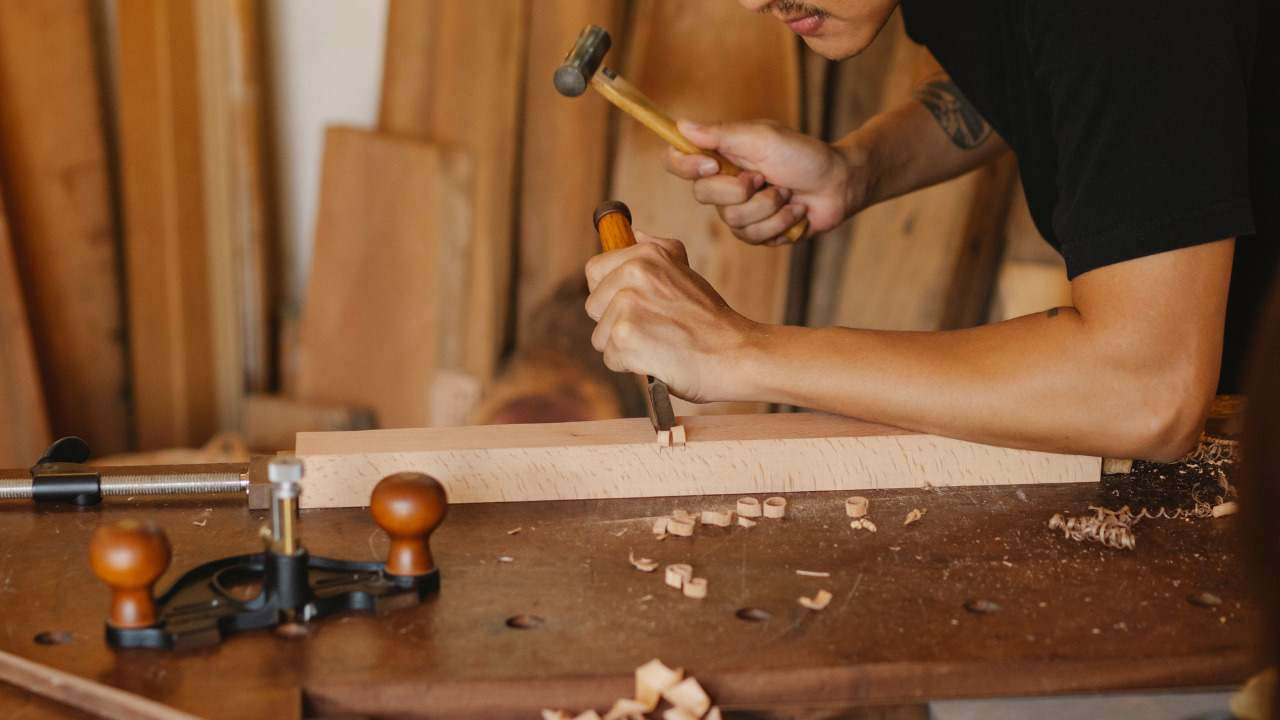
Nails have held their ground in woodworking for centuries. Yet, what if their era has quietly ended? Beneath their shiny surface lies a compromise in structural integrity. In precision-driven tasks, such compromise is no longer acceptable.
The transition to woodworking screws is not merely a technical shift. It reflects a growing demand for purpose-built joinery that respects material, effort, and outcome. Let us examine this quietly critical evolution.
Table of Contents
Woodworking Screws Offer Precision That Nails Cannot Match
While nails force themselves into timber, screws respect the grain. The controlled torque of woodworking screws minimises internal fractures, preserving the strength of the structure. This is particularly vital in healthcare interiors, where material longevity and hygiene compliance are non-negotiable.
Screws provide a tighter hold and allow for future adjustments. In modular care environments, reversibility becomes an asset, not a flaw.
Woodworking Screws Offer Long-Term Structural Stability with Minimal Material Stress
The use of woodworking screws distributes pressure across threads, rather than concentrating impact at a single-entry point.
- Reduced risk of wood splitting, especially in hardwoods
- Greater load-bearing capacity per joint
- Easier maintenance or part replacements in clinical furniture
With nails, any future adjustment risks weakening the entire frame. Screws make maintenance predictable and safe.
Woodworking Screws Meet Health-Sector Demands of High Cleanliness Standards
Fasteners in medical spaces cannot afford to fail. Woodworking screws reduce the risk of surface gaps that may harbour dust or pathogens. Tight joins also reduce wear and movement, critical in sterile zones.
Screws also allow disassembly without damaging adjacent materials. This reduces unnecessary waste during refits, aligning with sustainable building standards.
Efficient Installation of Woodworking Screws without Compromising Accuracy
Nails may seem quicker, but time saved at insertion often costs more in repairs. Woodworking screws offer dependable alignment, especially for fitted units or cabinetry in sensitive settings.
- Better angle control during assembly
- Stronger retention over thermal expansion cycles
- Less tool recoil, reducing installer fatigue
Nails are blunt force; screws are precision-guided.
Conclusion
Screws support the ethical duty of care by enabling quality workmanship. For healthcare environments, that responsibility must extend beyond first fix. Choosing woodworking screws ensures structures are built to serve, not just survive.