When the thong and sandal season comes, you might prefer to stay indoors rather than go outdoors. No one can blame you, considering the intensity of Australian summers. What if the interior of your home is just as hot as the outside? No worries. There are improvements you can make to increase your home’s cooling capacity, starting with vertical garden kits in Australia that you can use to either provide shade or keep the walls cool.
Table of Contents
Know When to Cover and Open Your Windows
If you live in an old property or your home isn’t designed and built with passive cooling in mind, your windows’ placement may significantly contribute to heat gain or loss. The best solution is strategic window management.
- Install curtains, blinds, and other options for external shading that can effectively block summer heat by up to 80%.
- Open and close windows and blinds at the right time. And the best time to close is early morning, before the sun rises and the heat builds up.
- As the breeze starts to cool early in the evening, open the windows to let it in and circulate inside. The same breeze helps flush out warm interior air that accumulated during the day.
Shade Your Home from the Outside
External structures, such as retractable awnings, do a better job at reducing indoor temperature than curtains and blinds. So, even when the upfront cost is higher than regular window treatments, consider investing in them.
- Install retractable awnings that can be adjusted at different times of the day or even based on the season. This outdoor addition allows you to benefit from the sun and shade as you prefer.
- Consider adding shade sails for wider and bigger coverage of outdoor areas. Placed over the swimming pool, they help prevent evaporation.
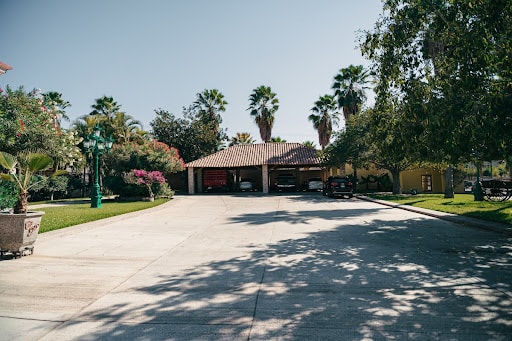
- Use plants for shade purposes. A deciduous tree that blocks the hot afternoon sun will help keep the indoor temperature low.
Maximise Airflow
The best way to achieve this is to create a well-ventilated home. There are many advantages of effective home ventilation, and improved indoor air quality is just one of them.
- Use ceiling and pedestal fans to improve air flow and to help cool humid conditions.
- Place a fan in front of an open window so hot air from within is pulled outside.
- Use evaporative air coolers, especially if you live in areas with low humidity and hot air.
- Look into whether a whirlybird roof vent can help keep your home cooler during the summer months.
Implement a Cooling Garden Design
As previously mentioned, certain trees and plants can provide natural shade during summer. With the right strategy, the same trees and plants will allow the sun to pass through during winter.
- Plant trees and shrubs where they can provide the most shade while serving as a windbreaker.
- Install water features, such as birdbaths, waterfalls, and ponds, which will help to cool the surrounding air naturally.
- Keep your walls cool through vertical gardens and the surrounding areas with grass and lawn. Compared to concrete or pavers, grass does not store and reflect heat.
With the right strategies, your home can be your cool sanctuary in summer. No need for a major overhaul to keep the indoor temperature low. Ready to work on your landscape’s cooling features? Vertical Gardens Australia has all the supplies you need.