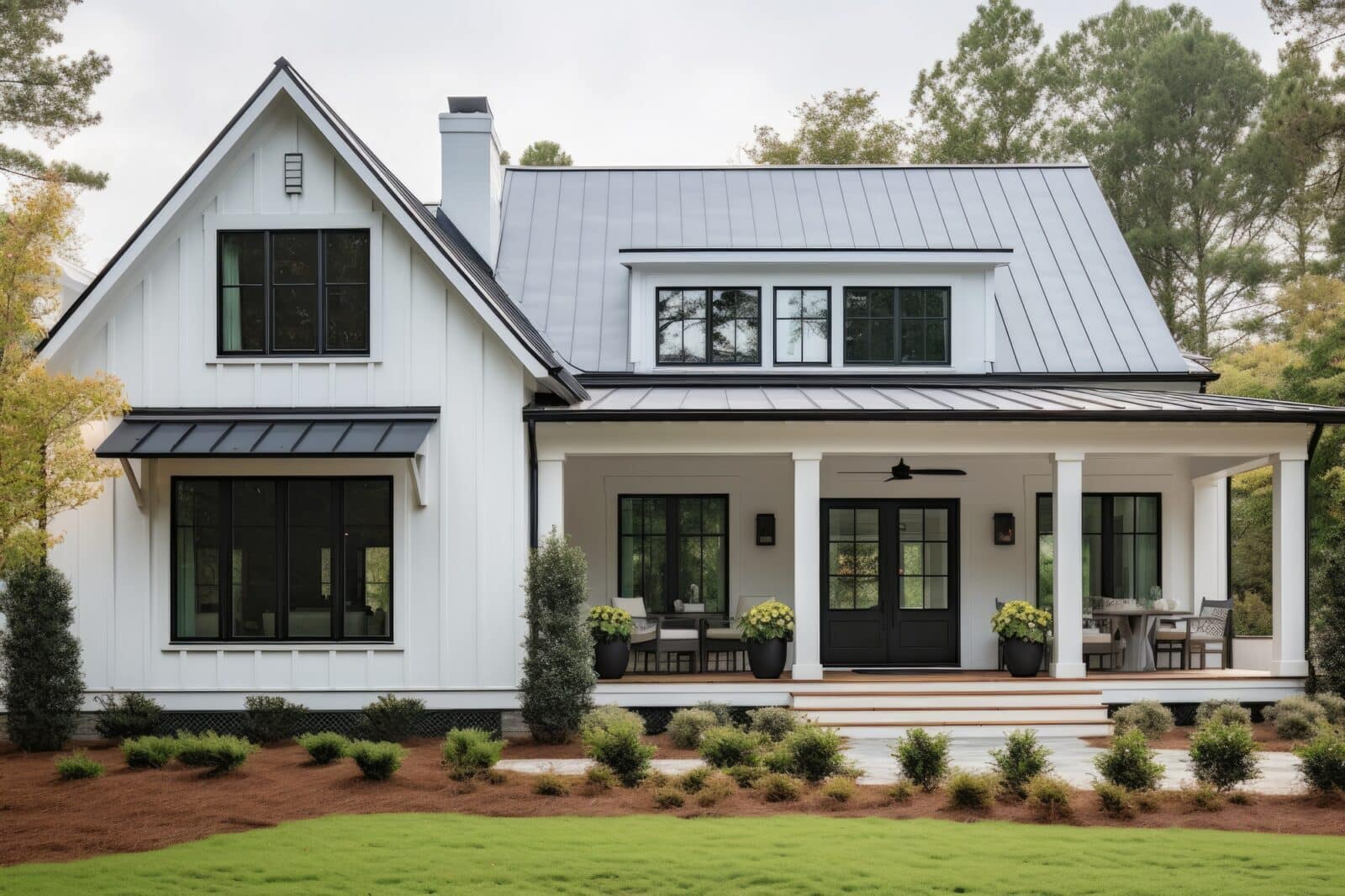
The house that until recently felt cosy and spacious seems to have shrunk. The kitchen feels cramped, the kids have outgrown their rooms, and you have been working from the dining table for two years and simply cannot face another winter of it. It is at that point that the vague wish you have always carried quietly in the back of your mind turns into something more urgent: it is time to extend.
That’s great news! Extending your home is one of the smartest things you can do with your money, and it is usually far less daunting than people expect.
That said, there are a few things worth getting your head around before you call a builder. Understanding the rules upfront will save you a lot of stress, money, and the kind of neighbourly tension that lasts for years.
Table of Contents
Do You Actually Need Planning Permission?
A huge number of home extensions in the UK go ahead without any planning permission at all. However, whether yours qualifies depends on several factors, and getting it wrong can be expensive.
In England, many extensions fall under what are called permitted development rights. Think of these as a set of pre-approved rules: if your project stays within certain size limits and conditions, you are free to build without making a formal application to your council.
For a single-storey rear extension, the limits are eight metres from the original rear wall for detached houses, and six metres for semi-detached and terraced properties. The expansion cannot exceed four metres in height, and it cannot cover more than half the land around your house.
There are situations where permitted development does not apply, though. If your home is a listed building, sits in a conservation area, or is in an area of outstanding natural beauty, you will need to apply regardless of how modest your plans are. Flats and maisonettes are also excluded entirely.
If you are not completely sure which category you fall into, most councils offer a pre-application advice service where you can run your ideas past a planning officer before committing to anything. It is worth using.
The Neighbour Consultation Scheme: What Is That?
If your extension falls between four and eight metres for a detached house, or between three and six metres for other property types, it goes into a slightly different category called the Neighbour Consultation Scheme. Your council will notify your adjoining neighbours, who then have 21 days to raise any objections.
It sounds alarming, but in practice, most extensions sail through without any issues. The important thing is not to start work until the process is complete.
One thing many homeowners overlook is applying for a Lawful Development Certificate. This is a document from your council confirming in writing that your project is lawful. You do not have to get one, but if you ever sell your property, your buyer’s solicitor will almost certainly ask about any building work. Having the certificate in your files makes that conversation very easy.
The Party Wall Act: Your Neighbour’s Rights Matter Too
If your extension involves digging foundations close to a shared boundary, building on or near a shared wall, or excavating within six metres of a neighbour’s foundations, the Party Wall etc. Act 1996 applies to you.
This piece of legislation exists to protect both sides. You must serve a formal Party Wall Notice on any affected neighbour at least two months before work begins. They then have 14 days to respond. If they agree in writing, you can proceed. If they object or simply do not respond, a party wall surveyor steps in to produce a legally binding agreement called an award.
Building Regulations: The Step People Often Forget
Planning permission and building regulations are two completely separate things, and they are one of the most common sources of confusion for first-time extenders.
You might not need planning permission, but you will almost always need to comply with building regulations.
These are the standards that govern how a building is actually constructed: structural integrity, fire safety, damp-proofing, insulation, ventilation, drainage, and more. They exist to make sure the finished structure is safe to live in.
Before work starts, you notify your local authority building control department, or use a private approved inspector. A control officer will then visit the site at key stages to check that everything is being done correctly. When the project is complete, you receive a completion certificate.
Getting the Right People on Board
A good extension starts long before anyone picks up a trowel. The professionals you appoint will shape the entire experience.
An architect or architectural designer will translate your ideas into workable plans, help you make the most of your space, and navigate the regulations on your behalf. For anything involving steelwork, knocked-through walls, or significant changes to structure, you will also need a structural engineer to carry out the calculations.
When it comes to choosing a builder, take your time. Ask to see completed projects similar to yours, speak to previous clients directly, and check that they carry adequate public liability insurance.
Membership of a trade body like the Federation of Master Builders is a useful indicator that you are dealing with someone reputable. Three comparable quotes from builders working to the same detailed specification will give you a fair picture of what the work should actually cost.
What Will It Cost?
This is usually the question people are most nervous about asking. As a rough guide, a standard single-storey rear extension in the UK typically costs between £1,500 and £2,500 per square metre for a basic to mid-range finish. In London and the South East, that figure climbs, and a premium specification can push costs to £3,000 per square metre or beyond.
On top of the build itself, factor in architect fees, structural engineer fees, planning fees if applicable, building control fees, and party wall surveyor costs if your project triggers the Act. Then add a contingency of at least 10 to 15 per cent on top of everything. Older properties in particular have a habit of revealing surprises once work begins, whether that is poor subsoil conditions, unmarked drainage runs, or materials that need replacing.
Council Tax and Home Insurance: The Bits People Miss
Two practical matters often slip through the cracks until it is too late.
On council tax, adding habitable floor space to your home can result in your property being moved to a higher band. This does not usually happen immediately. The Valuation Office Agency typically reassesses the banding when the property is next sold, so the impact may not land with you. But it is worth being aware of, particularly if you are planning to sell in the near future.
On home insurance, you must tell your insurer about the work before it begins. Most standard policies will not cover building works unless the insurer is notified in advance.
During construction, either your existing policy needs to be extended or your contractor needs to have adequate cover in place. Once the extension is finished, update your building insurance to reflect the higher rebuild value of your home.
Where to Start
If all of this feels like a lot to take in, do not worry. The vast majority of UK home extensions complete without any significant problems.
Start by getting a clear idea of what you want. Speaking to a property investment specialist before committing to a major extension can help you understand how the project fits into the bigger picture of your property’s long-term value.
Then have an initial conversation with an architect who can tell you quickly whether you need planning permission and flag any likely complications. From there, the process tends to move in a logical sequence that becomes easier to follow once you are in it.
The extension you have been picturing is almost certainly achievable. It just takes a little patience to get the groundwork right first.