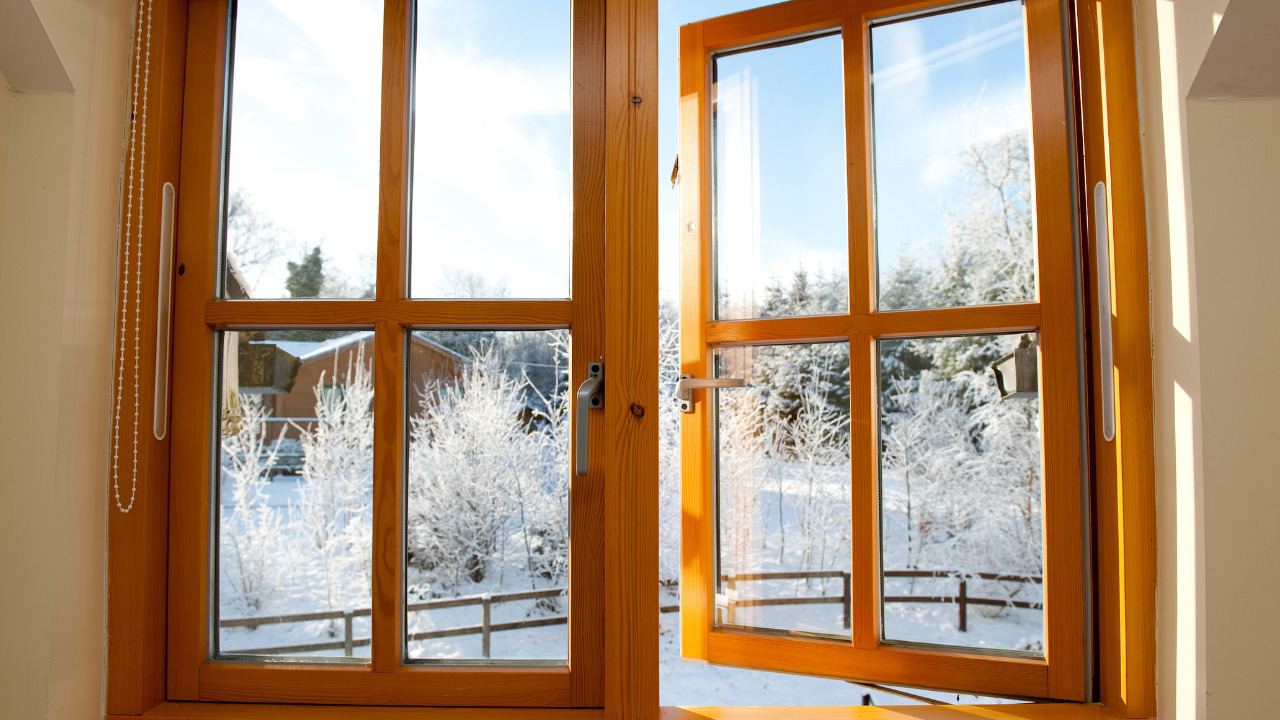
Comfort inside a house often comes down to how well your home holds a steady indoor temperature. Many people start thinking about double glazed windows in Canberra when winter drafts creep in or heating bills start climbing. The upgrade often becomes a practical option once those everyday comfort issues begin showing up around the house.
Table of Contents
Is Your Home Still Losing Heat on Cold Canberra Nights?
Indoor warmth can disappear quickly when standard window glass allows heat to escape after sunset. Even if insulation and home interior wall materials perform well, the glass area may still act as a weak point in the building envelope. Heat moves through single panes faster than most people expect.
Better insulated glazing slows this heat transfer so warmth stays inside longer during cold evenings. Living rooms, family spaces, and bedrooms usually feel the difference first because those rooms rely on stable indoor warmth once the temperature drops outside.
Should Window Performance Matter When Designing a Home?
Planning stages often shape how comfortable the house will feel long after construction finishes. Window placement, glazing type, and frame design influence indoor temperature stability across the seasons. Those decisions become easier to manage early while designing a home rather than trying to correct performance problems later.
Australian building guidance also encourages stronger thermal performance for residential construction. Energy efficiency expectations under the National Construction Code continue to influence how builders approach glazing choices when designing a home, particularly in climates with cold winters like Canberra.
Do Large Glass Areas Make Living Spaces Harder to Heat?
Open-plan living rooms often include wide window sections that allow sunlight to enter the space during the day. Once evening arrives, those same areas can release warmth through the glass surface, leaving nearby seating areas cooler than the rest of the room.
Insulated glazing helps reduce that heat loss so indoor temperatures remain more balanced across the space. Homes with large window openings often notice improved comfort because warm air stays inside rather than drifting towards colder glass surfaces.
Are Busy Streets Making Bedrooms or Studies Noisy?
Bedrooms or home offices that face a busy street often pick up more outside noise than people expect. A car passing, someone braking at the corner, a gate closing next door. With standard window glass, those sounds do not stay outside for long. They slip into the room and become part of the background, especially late at night when everything else inside the house is quiet.
Another pane of glass changes that experience more than many homeowners realise. The sound still exists outside, but it arrives softer and less direct once it reaches the room. Many people first notice the difference when the house settles for the night and the space finally feels calmer.
Do Your Windows Collect Condensation During Winter?
Moisture forming on the inside surface of glass often appears during cold mornings in Canberra. This happens when warm indoor air meets a cold pane of glass, causing water droplets to form along the surface.
Insulated glazing helps keep the inner glass surface warmer compared with outdoor temperatures. When the interior pane stays closer to the room temperature, condensation becomes less likely to form across the window.
Does Your Heating System Run Longer Than You Expect?
Some homes rely heavily on heating during winter because warmth escapes through inefficient window areas. When heat leaks through glass, indoor temperatures drop faster once the heater switches off.
Improved glazing reduces that heat loss so the heating system does not need to work as frequently to maintain comfort. Many households notice that indoor warmth holds longer after the heater cycles down.
Are You Renovating but Want to Keep the Home’s Character?
Sometimes a renovation starts with a simple goal. You want the house to feel more comfortable, but you do not want the place to lose the look that made you like it in the first place. Maybe the windows already suit the style of the home. Maybe the frames match the rest of the room, and changing them completely would feel out of place. In that situation, the question usually becomes simple. How do you improve comfort without changing what already works?
This is where upgrades that work with your existing windows start to make sense. Instead of replacing the whole look, the change happens in how the glass handles indoor temperature. The room can hold warmth longer during colder months, and the space feels steadier through the day. From inside the house, the room still looks familiar, which is often exactly what you wanted when the renovation began.
Are Some Rooms Used All Day and Need Steady Comfort?
Bedrooms used for rest, study rooms used for work, and family areas used for daily activities often reveal indoor comfort issues sooner than other rooms. Higher-performance glazing helps maintain consistent indoor conditions throughout the day and evening. Rooms that see frequent use tend to benefit the most when window insulation improves.
If you want to explore options suited to local homes, speak with the team at Rylock about double glazed window solutions designed for Canberra conditions.