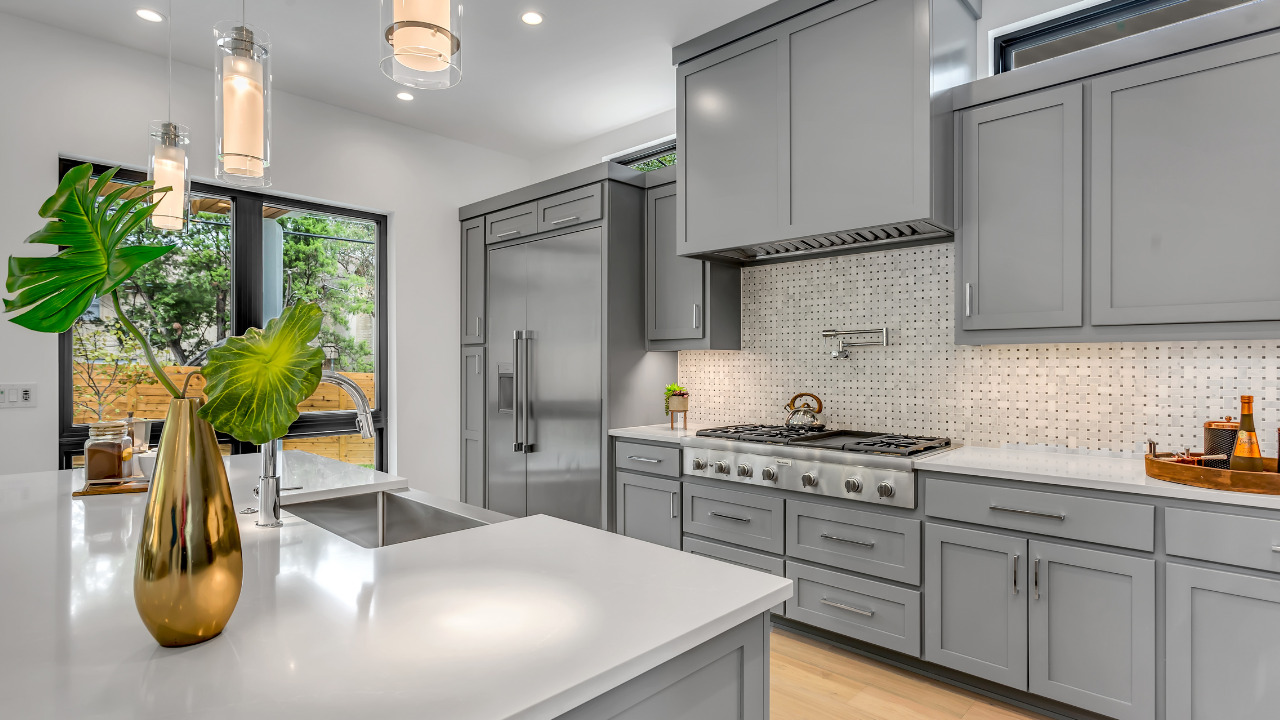
From the construction viewpoint, the kitchen is perhaps the most challenging area in a home. Its limited footprint concentrates multiple systems. Structural framing, plumbing routes, and electrical loads to name a few. This is why the layout decisions should be made early in construction. Poor coordination at this stage can increase maintenance and structural setbacks in the future. Making corrections once the walls are closed and the finishes are installed is very costly and disrupting.
Table of Contents
Kitchen Layout as a Construction Variable
A kitchen layout defines more than cabinet placement. It dictates where walls are reinforced, where floor loads increase, and how mechanical systems are distributed. When layouts are changed late in the process, framing and utility systems are often forced to adapt. This increases labor hours and material waste. These changes are even more disruptive during kitchen remodeling. This is because existing structures have to be altered.
Structural Load and Framing Considerations
Open plans often demand the elimination or alteration of load-bearing walls. From a construction perspective, this introduces new structural dependencies. Beams, posts, and headers must be engineered and installed correctly. Mistakes made at this phase may cause deflection, cracking or instability in the long term.
Floor systems are also affected by layout choices. Loads concentration from islands, appliances, and dense cabinetry increase stress on joists and subflooring. If not reinforced properly, these loads can cause gradual sagging. These issues often appear slowly, making them harder to trace back to original layout decisions.
Trade Coordination and Sequencing Issues
Kitchen layouts require close coordination between different trades. These include:
- Framing
- Plumbing
- Electrical
- HVAC
When layouts are unclear or change mid-project, trade sequencing breaks down. One system may be installed correctly while another must be rerouted later. This lack of coordination increases rework. It also raises the risk of compromised installations, such as notched framing members or overcrowded service cavities. From a construction management perspective, stable layout decisions improve workflow, reduce site conflicts, and preserve structural integrity.
Utility Routing and Service Access
Layout decisions directly influence how utilities are routed. Longer plumbing runs increase friction loss and leak potential. Improper slopes in drain lines often result from forced layout changes. These problems tend to surface years later as recurring maintenance issues rather than immediate failures.
Electrical and gas systems face similar risks. When layouts prioritize appearance over access, service points become buried. This complicates inspections and repairs. From a construction efficiency standpoint, accessible routing preserves wall assemblies and reduces future demolition.
Ventilation and Thermal Management
Appliance placement affects ventilation efficiency. Poor layouts require longer duct runs and additional framing penetrations. These undermine structural members and augment air leakage. Accumulation of moisture is more probable, and this can lead to the deterioration of insulation and framing as time goes by.
Kitchens also contribute significant internal heat. Layouts that restrict airflow place additional demand on mechanical systems. This directly impacts overall home cooling strategies and increases wear on HVAC components.
Construction Benefits of Early Layout Coordination
When layout planning is integrated early, construction efficiency improves. Structural framing aligns with appliance loads. Utility paths remain direct and accessible. Ventilation routes are shorter and easier to support.
This approach is especially valuable in older buildings. Careful coordination allows contractors to bring new life into an older kitchen without excessive demolition or unnecessary structural reinforcement. The original building fabric remains stable while modern systems are introduced.
Endnote
From a construction perspective, kitchen layouts are a foundational decision. They shape structural performance, system reliability, and long-term maintenance demands. Poor coordination transfers costs into the future, where corrections are more expensive and intrusive.
Treating layout planning as a core construction task reduces risk and improves durability. When done properly, the kitchen remains a stable, maintainable and economical section of the structure for decades.