When it comes to creating a clean, structured outdoor space, the materials you choose can make all the difference. One option that continues to gain popularity in modern landscaping is corten steel edging, known for its durability, minimal look, and ability to blend naturally into outdoor environments.
Whether you’re updating a small backyard or working on a larger landscape project, steel edging offers a simple way to define spaces while keeping your design cohesive and low-maintenance.
Table of Contents
Why Steel Outperforms Traditional Edging Materials
Plastic and timber edging have long been common choices, but they often fall short over time. They can crack, shift, or deteriorate with exposure to weather, requiring frequent replacement.
Steel edging, by contrast, is designed for longevity. It holds its shape, withstands harsh conditions, and maintains a consistent appearance without ongoing repairs. Corten steel goes a step further by forming a protective patina, a rust-like surface that shields the material while giving it a distinctive, natural finish.
This combination of strength and visual appeal makes it a reliable option for both residential and professional landscaping projects.
Bringing Structure into Garden Design
One of the biggest benefits of edging is the structure it introduces. Without clear boundaries, outdoor spaces can quickly feel unorganised, with lawns blending into garden beds and materials spilling into the wrong areas.
Steel edging creates precise divisions between different zones, helping define:
- Lawns and planting areas
- Pathways and gravel sections
- Outdoor living or entertaining spaces
This level of definition not only improves the appearance of your garden but also makes it easier to maintain over time.
Adapting to Different Garden Styles
Despite its strength, steel edging is highly adaptable. It can be installed in straight lines to suit modern, geometric layouts or curved to follow softer, more organic designs.
This flexibility allows it to work across a variety of garden styles. For example, elements like planter boxes can be used alongside steel edging to introduce height, structure, and layered planting into your overall design.
Built for Low Maintenance Living
For many homeowners, reducing garden maintenance is just as important as improving appearance. Steel edging helps achieve both.
By keeping soil, mulch, and gravel contained, it minimises the need for constant tidying. Lawns stay neatly in place, and edges require less trimming. Unlike timber, there’s no risk of rot, and unlike plastic, it won’t warp or degrade quickly.
Corten steel also eliminates the need for painting or sealing, as its natural finish develops over time without additional treatment.
Where It Makes the Most Impact
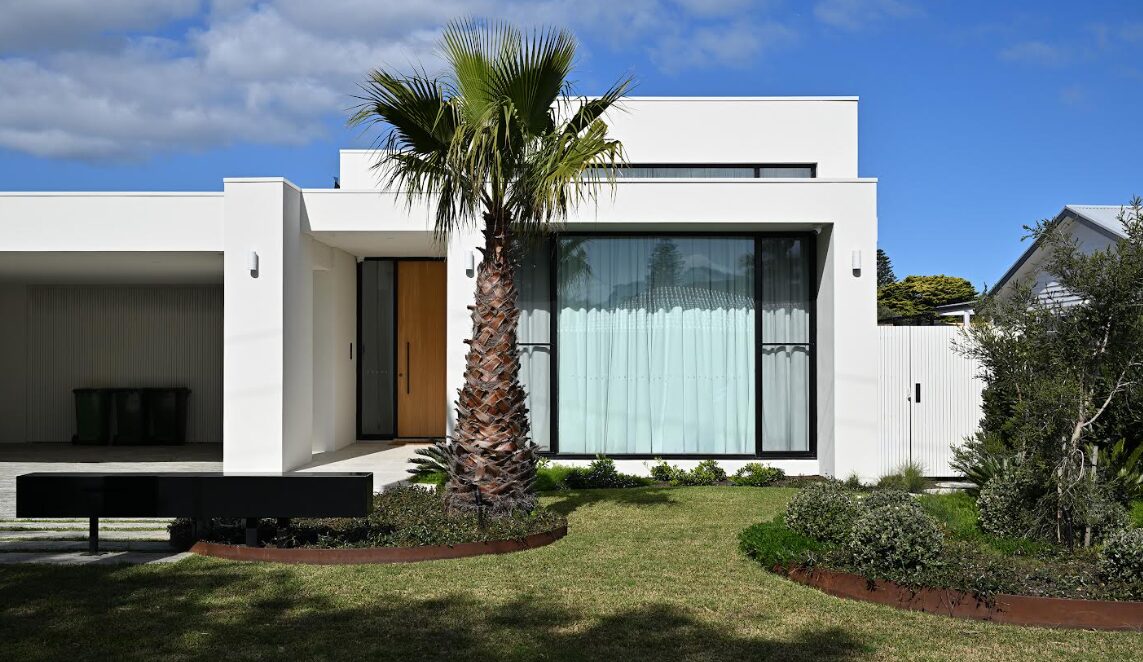
Steel edging is most effective when used strategically. Rather than applying it everywhere, focusing on key areas can create stronger visual impact.
For example:
- Defining the border of a lawn to create a clean focal point
- Separating a pathway from planting beds for a more organised layout
- Framing outdoor seating areas to give them a distinct zone
These small but intentional placements can significantly elevate the overall feel of your outdoor space.
Refining Your Landscape Without a Full Renovation
Not every garden upgrade needs to be large or expensive. Sometimes, refining the structure of your space is enough to make it feel completely different.
Introducing steel edging is a straightforward way to improve both function and design without major changes. It brings clarity, durability, and a modern finish that continues to perform over time.