The standard for prestige properties in Victoria has shifted dramatically over the past decade. Buyers are no longer focused solely on highly sought-after postcodes or large blocks of land. Today, architectural integrity, environmental sustainability, and advanced building techniques play a massive role in how a home is valued.
For anyone tracking trends in Real Estate in Melbourne, understanding how these modern construction methods influence property appraisals is absolutely essential.
A home built or renovated with cutting-edge materials provides more than just a striking aesthetic. It delivers measurable, long-term financial returns that buyers are increasingly willing to pay a premium for at auction or private sale.
Table of Contents
The Financial Advantage of Energy-Efficient Design
Historically, energy efficiency was viewed as a niche bonus rather than a core driver of a property valuation. That mindset has completely changed as national building regulations have tightened and utility costs have steadily climbed.
Modern construction methods now place a heavy emphasis on thermal performance, utilising advanced insulation, strategic home orientation, and high-quality sealing to regulate indoor temperatures naturally all year round.
This shift is particularly relevant in Melbourne, where the climate is famously variable. Homes that feature passive solar design principles require significantly less artificial heating in winter and cooling in summer. This reduction in running costs is a major selling point.
The Australian Government officially recognises this financial benefit, and the NatHERS scheme confirms that an energy efficient home has a higher resale value when the time comes to sell your property.
Beyond just temperature control, superior ventilation systems integrated during the framing stage ensure continuous fresh air circulation. This actively prevents indoor condensation and respiratory irritants, boosting the overall health appeal of the residence.
When valuers assess a modern home, a high energy star rating serves as tangible proof of the property’s superior build quality. Buyers actively seek out these certified properties because they offer immediate lifestyle comfort alongside long-term financial predictability.
Structural Upgrades and Calculating Return on Investment
When homeowners prepare a property for the market, they often debate between implementing cosmetic fixes and investing in major structural upgrades. While a fresh coat of paint or new landscaping can improve initial street appeal, addressing fundamental structural elements offers a far more robust return on investment.
Modern construction is not just about building from scratch. It also involves retrofitting older homes with contemporary materials that guarantee longevity.
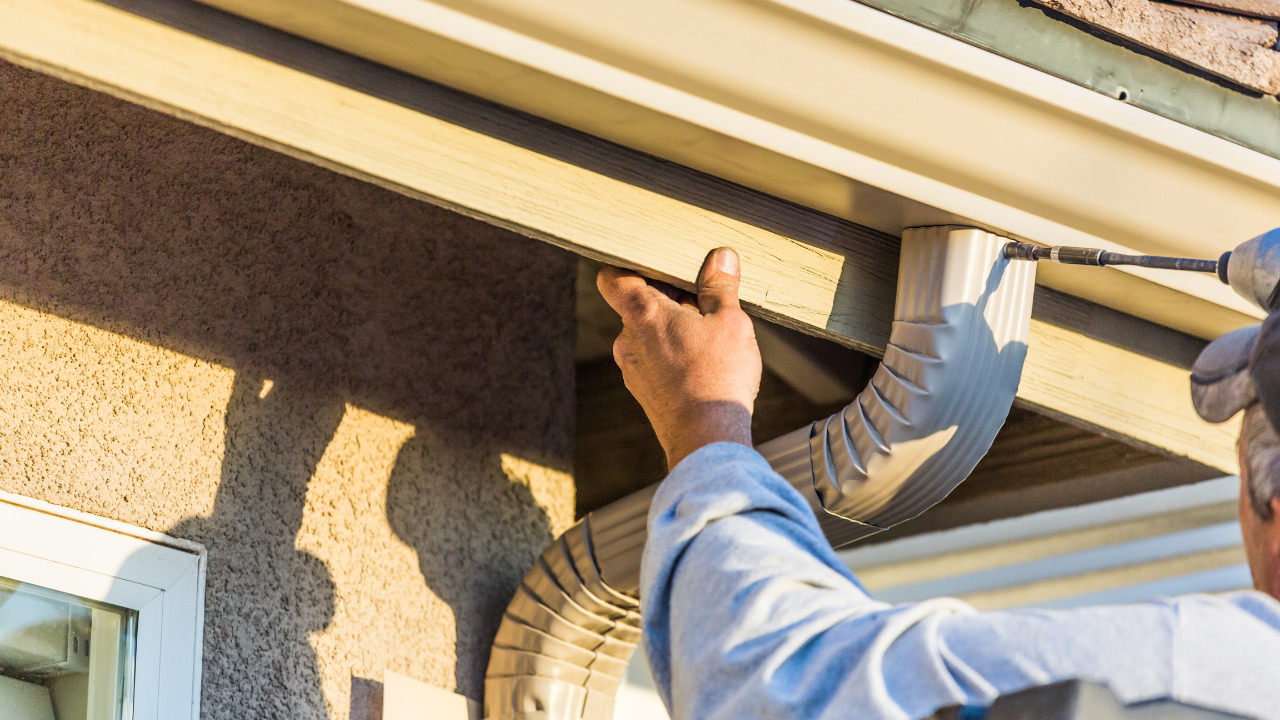
A common dilemma involves evaluating the condition of foundational structures. For instance, calculating the cost-benefit ratio of replacing versus repairing foundational elements like a roof is a critical step for any long-term real estate investment strategy.
If a roof requires constant patching, astute buyers will factor the eventual cost of a total replacement into their offers, significantly driving down the final sale price. Furthermore, outdated plumbing and electrical frameworks hidden behind walls can be a major deterrent for buyers conducting pre-purchase building inspections. Upgrading these core systems to comply with modern safety standards removes any hesitation from prospective purchasers.
By choosing to completely replace aging materials with modern, durable alternatives like precision-engineered steel or advanced composite roofing, property owners eliminate future risk for the buyer. This peace of mind directly translates to stronger bids at auction. Modern construction methods ensure that these replacements are installed with superior weatherproofing and load-bearing capabilities, adding an invisible but highly lucrative layer of value to the home. The initial capital output required for structural renovation is frequently offset by the exponential increase in the property’s final appraisal figure.
Key Modern Construction Features That Drive Appraisals
Certain modern building materials and techniques have become highly desirable markers of quality in the local property market. Valuers and prospective buyers actively look for specific features that indicate a home has been built to contemporary standards. It is not just about looking new; the property must objectively function better than older equivalents.
Incorporating these modern construction elements can significantly elevate a property’s market position:
- High-Performance Glazing: Single-pane windows are increasingly viewed as a liability in premium homes. Double or triple-glazed windows featuring Low-E (low emissivity) glass are now the gold standard. They drastically reduce noise pollution from busy streets and prevent thermal transfer, making them a highly valued structural addition.
- Engineered Timber Products: The use of cross-laminated timber and other engineered wood products offers superior strength compared to traditional framing. These materials are less prone to warping, shrinking, or termite damage over time, ensuring the structural integrity of the home remains intact for decades without costly maintenance.
- Integrated Smart Home Infrastructure: Modern construction goes beyond just the physical building materials. Homes that are hardwired during the construction or major renovation phase for seamless smart home automation, high-speed networking, and integrated security systems command higher prices. Buyers prefer hardwired reliability and centralized control hubs over aftermarket plug-and-play gadgets.
- Advanced Weather Barrier Systems: The implementation of modern breathable sarking and comprehensive house-wrapping systems prevents moisture buildup within wall cavities. This protects the home from toxic mould growth and structural rot, which are common issues in older builds. By maintaining a dry internal cavity, the structural timber is preserved indefinitely.
- Sustainable Flooring Solutions: The inclusion of polished concrete with hydronic heating or sustainably sourced hardwood flooring adds both luxury and longevity. These materials withstand heavy foot traffic better than traditional carpets and appeal to allergy-conscious buyers seeking easily maintained surfaces.
Ultimately, the intersection of construction technology and property valuation has never been clearer. Properties that leverage modern building methods offer superior durability, enhanced comfort, and reduced maintenance costs. By investing in high-quality structural materials and energy-efficient designs, property owners are effectively future-proofing their assets and securing a significant advantage in a highly competitive housing market. Those who recognize the financial power of contemporary construction will undoubtedly reap the greatest rewards when taking their properties to market.