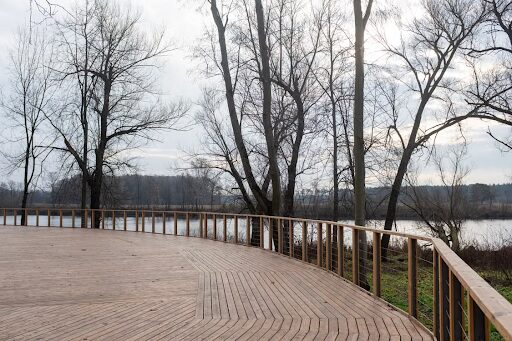
It’s no secret that wood products that are outside all year long can take a beating. Decking, siding, and other wooden structures that are outside 100% of the time can be damaged by shifts from hot to cold, moisture, and UV rays throughout the year. This can lead to problems with upkeep and care for homeowners and, in some cases, failure of structures or materials due to a lack of upkeep.
HDPE plastic material is a great solution for these kinds of situations. It offers built-in resistance to damage, and it lasts for years with minimal upkeep. There are plenty of situations where HDPE plastic is a better choice than traditional lumber materials. We will talk about the perks of this innovative product in more depth so that you can make an educated choice about whether or not to use this material for your next construction project.
Table of Contents
Maintenance Requirements of Wood vs HDPE
Wood has been the gold standard for decks, fences, and even siding for many years. It looks beautiful, and it is relatively easy to care for. Wood surfaces that are exposed to the elements need to be inspected on a regular basis for rot, cracks, and damage. Damaged boards have to be repaired as soon as they are spotted to ensure that rot and stability issues don’t cause further problems or safety issues.
In locations with lots of rain or sun, you might need to sand wood surfaces and stain or seal them annually or biannually. This is something that experts can handle if you want to hire someone, or if you have the skills to tackle this kind of upkeep, you could make the time to do so each time it’s needed. Many people opt to hire someone for this task, but it does add maintenance costs related to the upkeep of natural wood products and should be taken into consideration.
HDPE is far more ideal for wet and intense UV exposure. It is made from plastic, so it naturally sheds water and holds up to UV exposure for far longer than natural wood products. As an added perk, since it is manufactured, it does not have knots or other natural imperfections that can lead to rot and other damage in natural wood over time. The imperfections that make wood unique in appearance can also impact its long-term viability as a building material, particularly in areas where foot traffic and other wear and tear can be a consideration.
Environmental Benefits
There are other reasons that HDPE can be a good choice for your use. This is an environmentally friendly product because wood products have a relatively high energy footprint when it comes to production and transportation. Additionally, because HDPE requires limited upkeep, this is also beneficial to the environment.
HDPE only needs to be washed with a gentle soap periodically to keep it looking its best, which is also a big benefit for the environment. Wood products often require intensive cleaning to get back to looking their best, which can waste water or require detergents that are not ideal for the environment either.
HDPE Looks Great
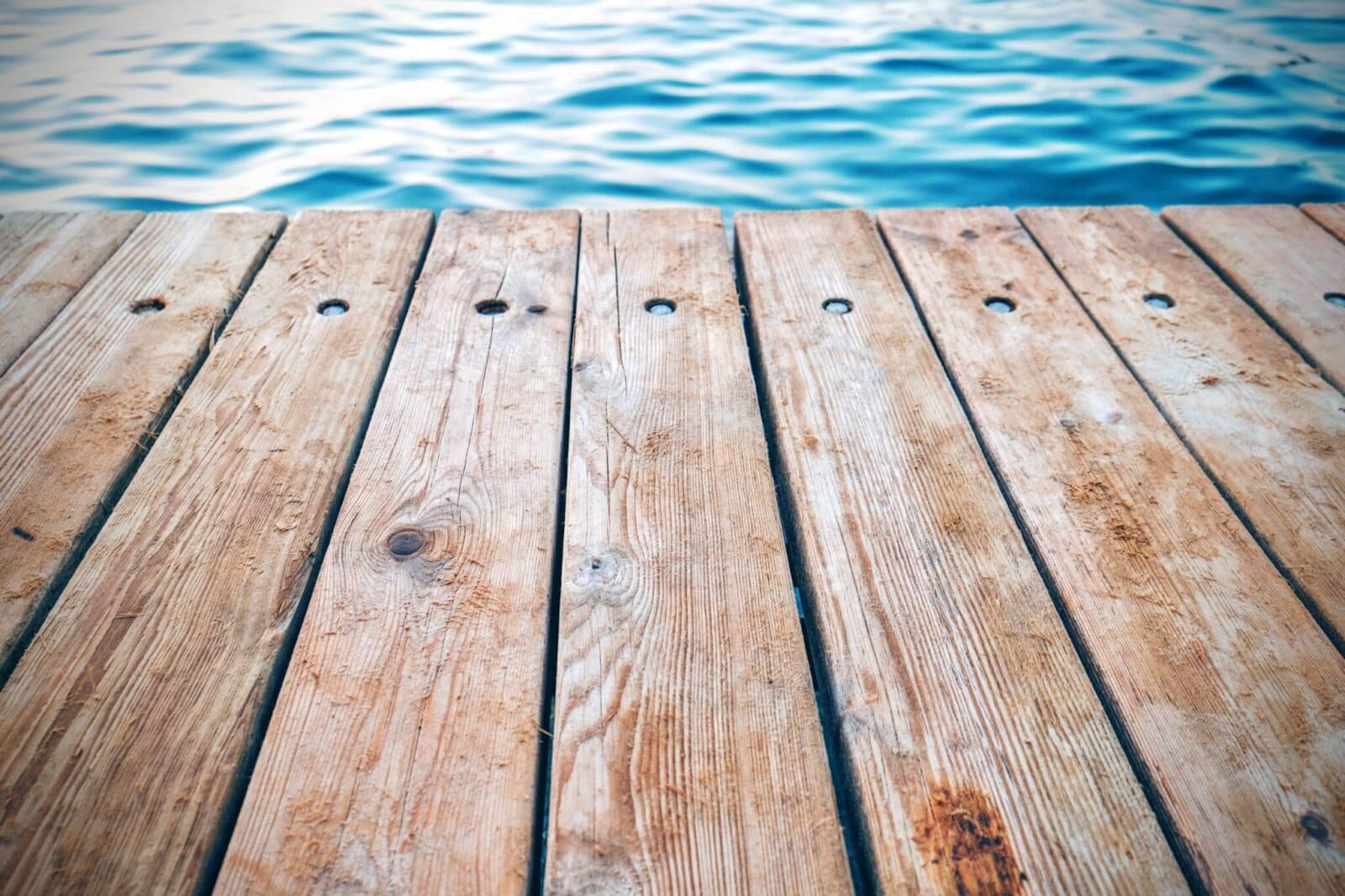
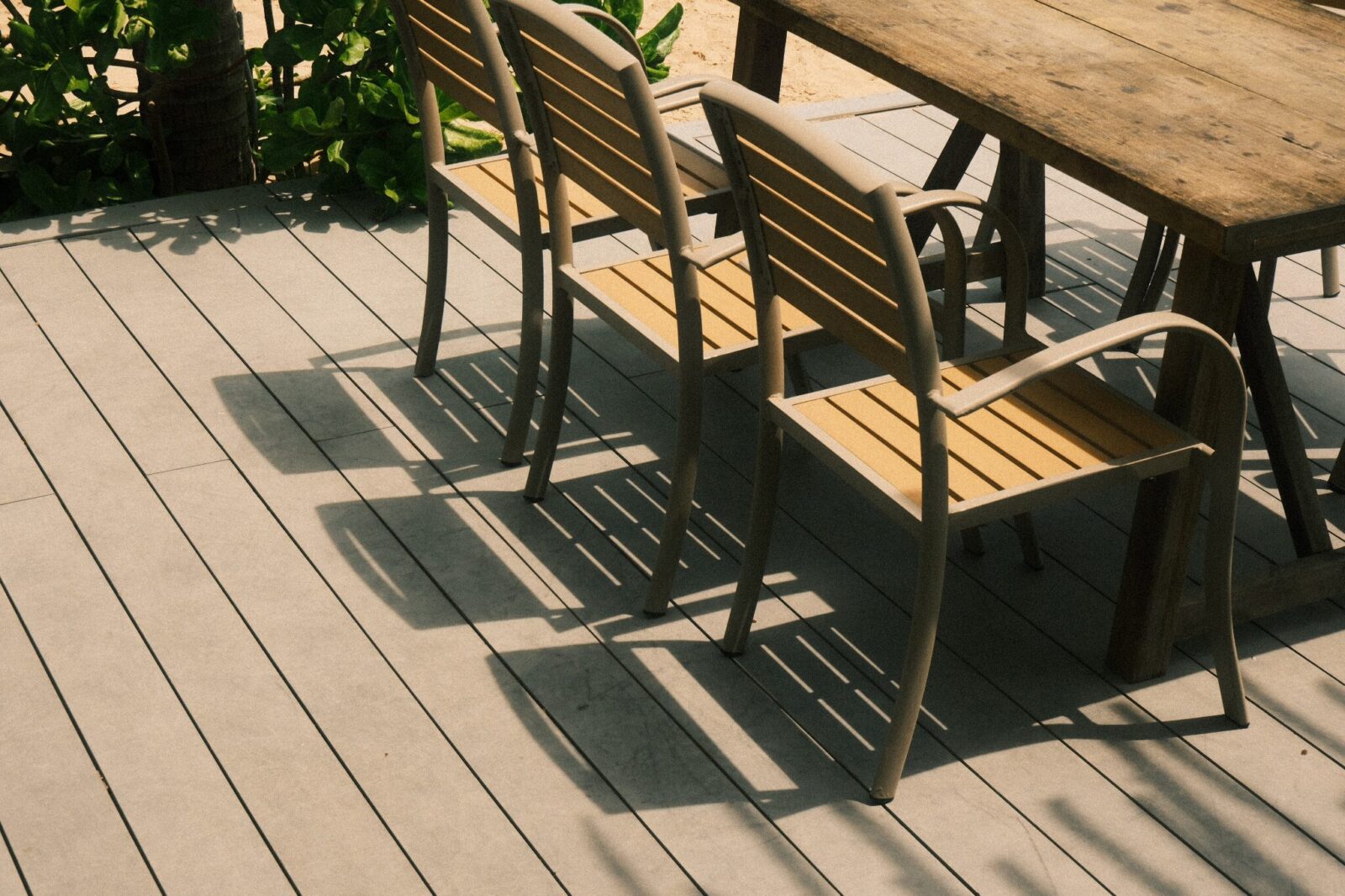
HDPE is one of the most beautiful products that you can use in place of wood. It comes in a variety of colors, looks quite natural, and offers a consistent, level, perfect finished look when used in projects. HDPE will hold up well to years of use, and it will not show wear from foot traffic.
HDPE is also far less likely to suffer damage over time, such as warping, fading, or cracks. This is something that is a reality with natural wood products, and it is one of the least ideal parts of the selection of natural wood materials for any function. Being sure that your deck will look great for years to come is important to most people, which is why HDPE can be the best option.
You will typically also have a warranty that protects your HDPE building products. This is not always a reality with wood products that you use for construction jobs. Some companies will provide a warranty for their work on a job, but they will not offer a warranty for the wood itself since it is supplied by another business. HDPE is manufactured, so it is almost always protected by a warranty.
Cost Considerations
HDPE does cost more than natural wood products upfront. However, the upkeep costs of wood can far outweigh the initial savings that you achieve when using these natural products for your construction work. HDPE will need so much less upkeep and care that it will automatically save money after the initial installation is completed.
In most cases, it is actually far less time-consuming to install HDPE. Wood structures are typically fully customized, with each piece being cut to the specific size and length that is needed to create the final product. HDPE is far easier to install, meaning that you will not need to pay for nearly as many hours of labor or as many people to finalize the project. This is an important cost savings both for homeowners and for construction experts who work in the industry.
HDPE is a Viable and Cost-Saving Option for Construction Projects
There are so many things to love about HDPE as compared to standard lumber for construction projects. It lasts far longer, needs far less upkeep over time, and can make the world a better place by helping save on energy and resource use. You will enjoy a beautiful deck or other structure for years when you elect to use HDPE for your construction projects. Builders will hand down savings and benefits when it comes to reduced maintenance by investing in a quality product like HDPE as well.
There are so many superior materials that are on the market today that can replace natural products that are tough on the environment and expensive when it comes to upkeep and care. You can avoid a lot of the challenges of home upkeep and building costs by opting for quality materials that will stand the test of time.